Bwindi Impenetrable Forest National Park Travel Guide
Entering Uganda’s Ancient Rainforest
Bwindi Impenetrable Forest National Park is one of Africa’s most extraordinary wilderness destinations and the undisputed heart of Uganda’s gorilla tourism. This ancient rainforest, estimated to be over 25,000 years old, protects a complex ecosystem of dense vegetation, steep ridges, and deep valleys. Bwindi is globally celebrated for mountain gorilla trekking, yet its appeal extends far beyond this single experience. The park offers biodiversity, dramatic scenery, cultural encounters, and conservation success stories that make it a must-visit destination for nature and wildlife travelers.
Location and General Overview
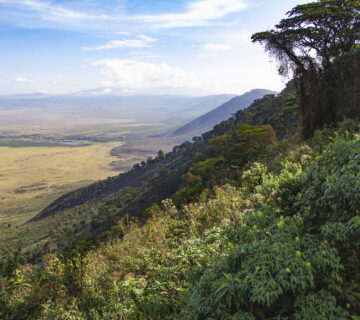
Bwindi Impenetrable Forest National Park is located in southwestern Uganda along the Albertine Rift Valley, near the borders of Rwanda and the Democratic Republic of Congo. The park covers a rugged, mountainous landscape characterized by thick rainforest and misty hills. Bwindi is divided into distinct trekking sectors, each with its own trailheads, gorilla families, and accommodation options. Despite its remote setting, Bwindi is well integrated into Uganda’s safari circuit and is commonly combined with Queen Elizabeth National Park, Lake Bunyonyi, or Mgahinga Gorilla National Park.
Why Bwindi Is One of Africa’s Most Important Parks
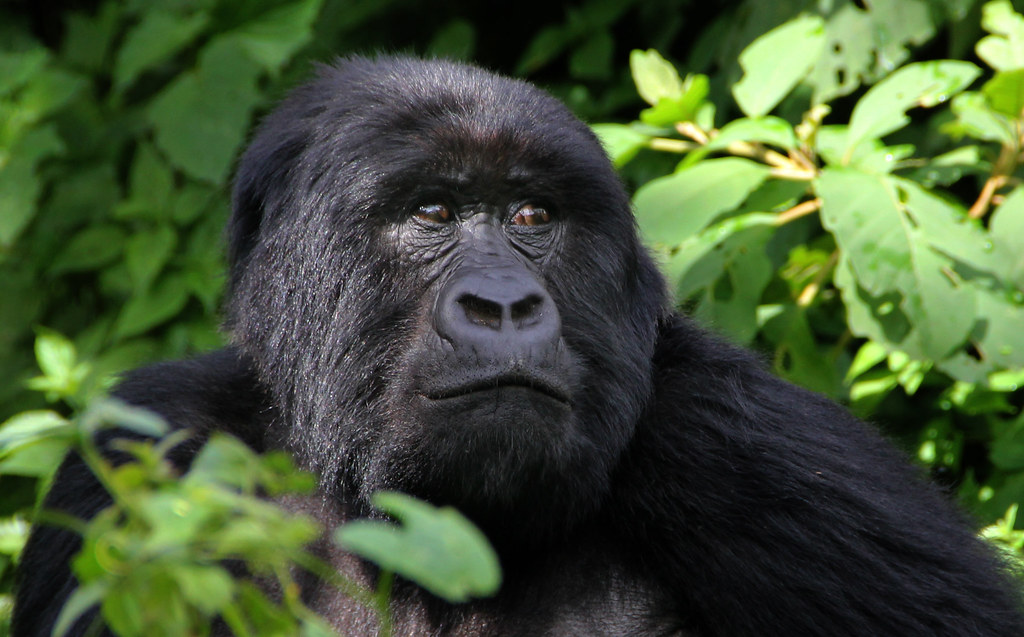
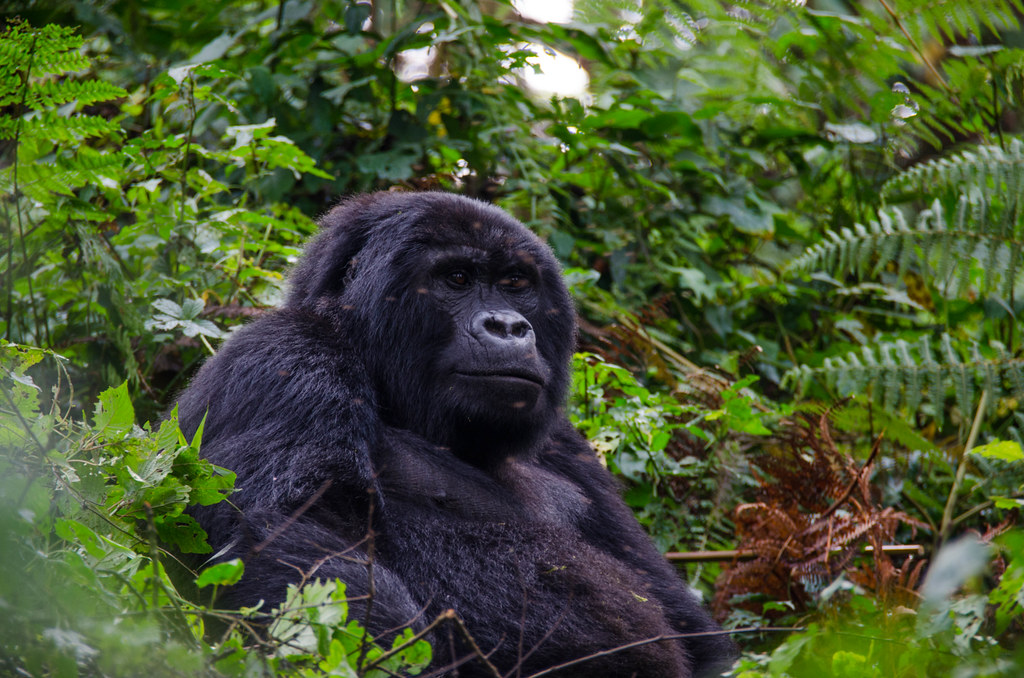
Bwindi’s global significance lies in its role as a sanctuary for endangered mountain gorillas. The park is home to nearly half of the world’s remaining mountain gorilla population, making it one of the most critical conservation areas on the continent. Beyond gorillas, Bwindi supports an exceptional range of biodiversity, including mammals, birds, reptiles, butterflies, and hundreds of plant species. Many of these species are endemic to the Albertine Rift, reinforcing Bwindi’s status as a UNESCO World Heritage Site and a conservation priority of international importance.
Mountain Gorilla Trekking in Bwindi
Mountain gorilla trekking is the highlight of any visit to Bwindi Impenetrable Forest National Park. Each trekking day begins with a ranger briefing, where visitors are assigned to small groups and allocated a specific gorilla family based on fitness levels and gorilla movements. Treks vary in duration and difficulty, ranging from relatively short hikes to longer, physically demanding journeys through steep and muddy forest terrain. Once the gorillas are located, visitors are allowed one hour in their presence, observing social behavior, feeding patterns, and interactions at close range. The experience is deeply emotional and often described as one of the most powerful wildlife encounters in the world.
Best Time to Visit Bwindi Impenetrable Forest
Bwindi is open for tourism throughout the year, and gorilla trekking is possible in all seasons. Drier periods generally offer easier hiking conditions, with less mud and clearer trails, making them popular among visitors. Wetter months bring lush vegetation, dramatic forest scenery, and fewer visitors, though trekking can be more challenging. Regardless of the season, gorilla sightings in Bwindi are highly reliable, and the park remains one of the most consistent destinations for successful gorilla encounters.
Physical Preparation and Trekking Conditions
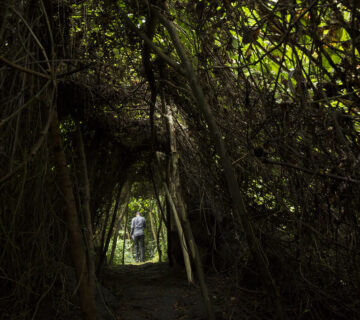
Gorilla trekking in Bwindi requires moderate physical fitness due to the park’s steep slopes, uneven ground, and dense forest cover. Trekkers should expect muddy trails, sudden rain showers, and varying altitudes. Proper hiking boots, rain gear, and gloves significantly improve comfort on the trail. Hiring a porter is strongly recommended, as porters assist with carrying bags and offer stability on difficult sections while directly supporting local community livelihoods.
Other Activities Within the Park
While gorilla trekking is the primary attraction, Bwindi offers additional activities that enrich the overall experience. Guided forest walks introduce visitors to the park’s plant life, smaller mammals, and insects while providing insight into the forest ecosystem. Birdwatching is particularly rewarding, as Bwindi is one of Uganda’s top birding destinations with numerous rare and endemic species. Cultural visits to nearby communities allow travelers to learn about traditional practices, conservation initiatives, and the historical relationship between local people and the forest.
Accommodation Around Bwindi Impenetrable Forest
Accommodation around Bwindi ranges from high-end forest lodges to comfortable mid-range and budget-friendly options. Luxury lodges often occupy elevated positions overlooking the forest canopy and provide immersive nature experiences, personalized service, and scenic views. Mid-range lodges balance comfort and accessibility, while budget lodges focus on proximity to trekking points and practical amenities. Choosing accommodation close to your trekking sector is essential for minimizing early-morning travel and ensuring a smoother trekking experience.
Getting to Bwindi Impenetrable Forest National Park
Bwindi can be accessed by road or domestic flights. Road travel from Kampala or Entebbe passes through scenic countryside but requires a full day of driving. Domestic flights to nearby airstrips significantly reduce travel time and are ideal for travelers on shorter itineraries. Transfers from airstrips to lodges are typically arranged in advance, ensuring efficient connections to park briefing points.
Conservation, Permits, and Responsible Tourism
Gorilla trekking in Bwindi is tightly regulated to protect both visitors and wildlife. Trekking permits are limited and should be booked well in advance. Revenue from permits supports gorilla conservation, park management, and community development projects. Visitors are required to follow strict trekking guidelines, including maintaining a safe distance from gorillas and observing health protocols to prevent disease transmission. Responsible tourism in Bwindi plays a direct role in safeguarding the future of mountain gorillas.
Why Bwindi Deserves a Place on Every Uganda Itinerary
Bwindi Impenetrable Forest National Park represents the essence of Uganda’s natural heritage. Its combination of rare wildlife encounters, ancient rainforest, conservation success, and meaningful cultural experiences makes it unlike any other destination in Africa. Whether visited as a stand-alone highlight or as part of a longer safari, Bwindi offers an unforgettable journey into one of the world’s most precious ecosystems.