Birding in Akagera National Park
Birding in Akagera National Park offers one of the richest and most varied birdwatching experiences in Rwanda. With a unique blend of savannah, woodland, wetland, and lake habitats, Akagera supports an exceptional diversity of bird species, making it the country’s top destination for both casual birders and serious ornithologists.
Why Akagera Is Rwanda’s Best Birding Destination
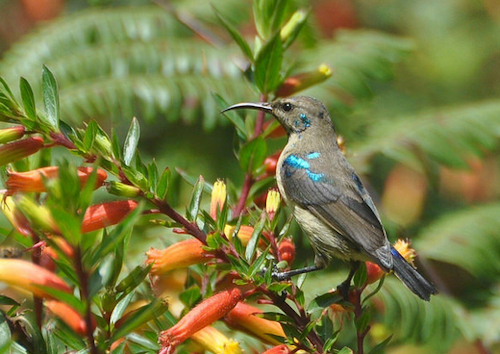 Unlike Rwanda’s montane forest parks, Akagera’s lowland ecosystems attract a wide range of savannah and water-associated birds rarely seen elsewhere in the country. The park’s open landscapes allow easy viewing, while its lakes and papyrus swamps provide ideal feeding and breeding grounds for resident and migratory species.
Birding can be enjoyed year-round, either as a dedicated activity or combined with game drives and boat safaris.
Bird Habitats in Akagera
Akagera’s bird diversity is driven by its varied habitats. Open grasslands host ground-dwelling and raptor species, acacia woodlands shelter songbirds and hornbills, while wetlands and lakes support large concentrations of water birds. This habitat variety allows birders to record a high number of species in a relatively short time.
Key Bird Species to Look Out For
Akagera is home to over 500 recorded bird species. Savannah highlights include secretary birds, kori bustards, red-necked francolins, lapwings, and numerous lark species. Raptors are especially impressive, with sightings of African fish eagles, martial eagles, bateleurs, and tawny eagles common throughout the park.
Wetland areas around Lake Ihema host herons, storks, cormorants, pelicans, jacanas, kingfishers, and African darters. The elusive shoebill is occasionally sighted in surrounding marshes, making Akagera particularly exciting for avid birders.
Best Birding Areas in Akagera
Lake Ihema and its surrounding wetlands are the heart of birding activity, especially for water birds and fish-eating species. The northern plains provide excellent raptor sightings, while woodland zones offer chances to spot barbets, woodpeckers, hornbills, and colorful passerines.
Exploring different sections of the park over multiple days greatly increases species counts.
Best Time for Birding in Akagera
Birding in Akagera is rewarding throughout the year, but the wet seasons from March to May and October to November are particularly productive. During these months, migratory birds arrive, breeding plumage becomes more visible, and bird activity peaks.
The dry seasons still offer excellent birding, especially around permanent water sources, with the added benefit of easier road access and combined wildlife viewing.
Birding by Boat and Vehicle
Boat safaris on Lake Ihema provide close-range birding opportunities unavailable on game drives. Viewing birds from water level allows excellent photography and observation of feeding behavior. Game drives, on the other hand, are ideal for spotting raptors, ground birds, and savannah species across open plains.
Combining both activities delivers the most comprehensive birding experience.
Who Birding in Akagera Is Best For
Akagera suits dedicated birdwatchers, photographers, nature enthusiasts, and travelers seeking a quieter safari experience. It is also ideal for visitors combining gorilla trekking with birding, offering a complete contrast between rainforest and savannah ecosystems within Rwanda.
Final Insight
Birding in Akagera National Park reveals a lesser-known but deeply rewarding side of Rwanda’s wildlife. From soaring eagles and vibrant kingfishers to rare wetland species, Akagera stands as Rwanda’s premier birding destination and an essential stop for anyone passionate about African birdlife.