Birding Hotspots in Uganda: A Complete Guide
Uganda is globally recognized as one of Africa’s finest birding destinations, earning its reputation as the Pearl of Africa for birdwatchers. With more than 1,000 recorded bird species, the country hosts over half of Africa’s total bird population within a relatively small geographic area. This exceptional diversity is made possible by Uganda’s varied habitats, which range from lowland rainforests and montane forests to savannas, wetlands, lakeshores, and riverine systems. For both serious ornithologists and casual nature lovers, Uganda offers year-round birding experiences that are rich, rewarding, and remarkably accessible.
Why Uganda Is a World-Class Birding Destination
Uganda’s position at the crossroads of multiple ecological zones allows birds from East Africa, Central Africa, and even parts of the Congo Basin to coexist. This overlap creates an extraordinary mix of species, including Albertine Rift endemics, savanna specialists, wetland birds, and forest-dependent species.
The country’s compact size makes it possible to visit several birding habitats within a single trip, while well-protected national parks and reserves ensure consistent sightings and long-term conservation of bird populations.
Bwindi Impenetrable National Park
Bwindi is one of Africa’s most important birding forests, supporting over 350 bird species, including many Albertine Rift endemics. The dense montane forest environment is ideal for species that are rarely seen elsewhere, making Bwindi a priority destination for specialist birders.
Birding trails wind through thick vegetation and steep terrain, rewarding patience with sightings of forest birds adapted to misty, high-altitude conditions. Bwindi’s birdlife is complemented by its primates, adding depth to the overall wildlife experience.
Queen Elizabeth National Park
Queen Elizabeth National Park offers one of the most diverse birding environments in Africa, with savannas, wetlands, forests, and lakes all within one protected area. Over 600 bird species have been recorded here, making it Uganda’s richest park for bird diversity.
The Kazinga Channel is a standout feature, attracting large numbers of waterbirds and providing exceptional opportunities for bird photography from boat safaris. The Ishasha sector, crater lakes, and Kyambura Gorge further expand the variety of habitats and species encountered.
Mabamba Swamp
Mabamba Swamp is internationally famous as one of the best places in the world to see the shoebill, one of Africa’s most sought-after birds. Located near Lake Victoria, this extensive papyrus wetland supports a range of specialized wetland species.
Birding here is conducted by canoe, allowing close and quiet access to birds without disturbing the fragile ecosystem. The calm, slow-paced experience makes Mabamba ideal for both photography and focused observation.
Murchison Falls National Park
Murchison Falls National Park combines dramatic scenery with exceptional birdlife, recording more than 450 species. The River Nile and its surrounding wetlands support large waterbirds, while the savanna plains and woodlands host raptors and ground-dwelling species.
The Nile delta area, where the river flows into Lake Albert, is particularly productive for birding, offering opportunities to see rare and migratory species in a striking natural setting.
Kibale Forest National Park
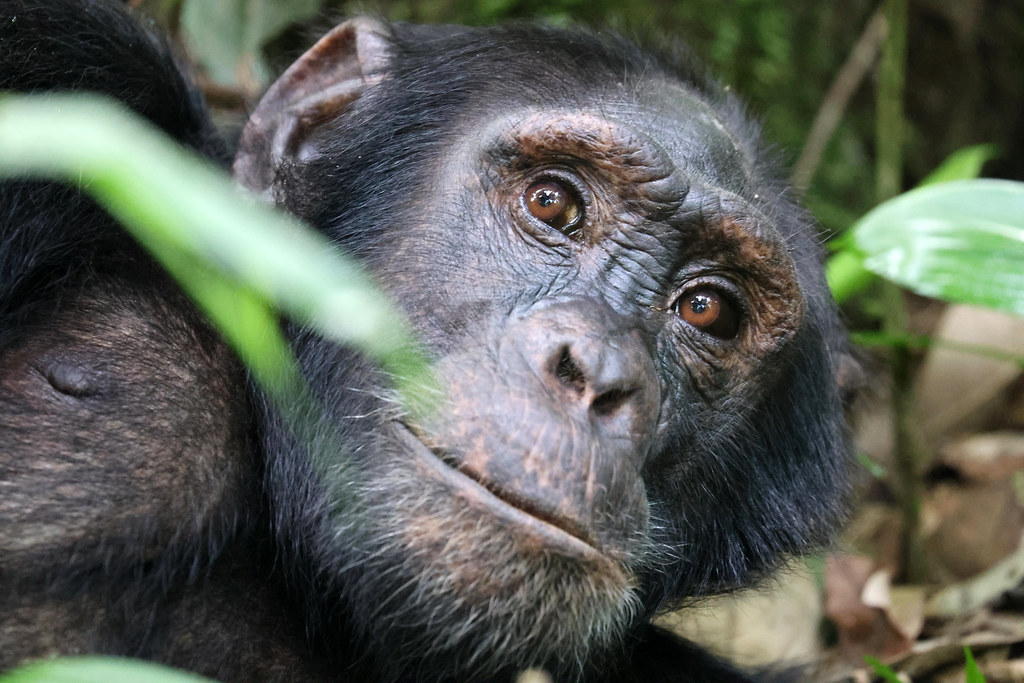
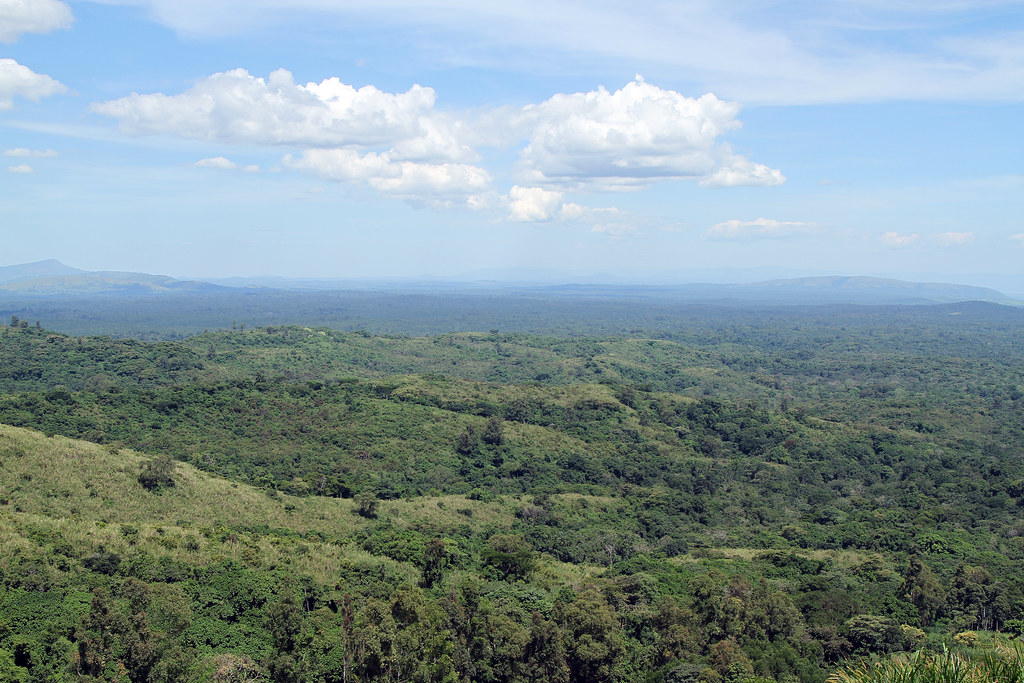
Kibale Forest is best known for chimpanzees but is equally impressive for forest birding. The moist evergreen forest supports a wide range of Central African bird species, making it one of the most rewarding lowland forest birding destinations in East Africa.
Birders often combine chimpanzee tracking with dedicated bird walks, benefiting from well-maintained trails and experienced local guides who understand forest bird behavior and vocalizations.
Semuliki National Park
Semuliki National Park offers a true Congo Basin birding experience, hosting species that are not found elsewhere in Uganda. Its lowland rainforest environment is hot, humid, and biologically rich, attracting birders seeking rare and range-restricted species.
The park’s isolation and dense forest demand patience and skill, but the reward is access to one of the most unique bird assemblages in the country.
Lake Mburo National Park
Lake Mburo National Park is a compact yet highly productive birding destination, particularly for savanna and wetland species. Its network of lakes, acacia woodlands, and grasslands supports a rich mix of waterbirds and terrestrial species.
Because the park allows walking safaris, birders can explore quietly on foot, making it easier to observe smaller and more elusive species at close range.
Kidepo Valley National Park
Kidepo Valley National Park is one of Uganda’s most scenic and rewarding birding locations, especially for species adapted to semi-arid environments. The park hosts birds that are rare or absent elsewhere in Uganda, set against vast plains and dramatic mountain backdrops.
Low visitor numbers enhance the experience, allowing birders to enjoy uninterrupted observation and exceptional photographic conditions.
Best Time for Birding in Uganda
Uganda offers excellent birding throughout the year, but certain periods are especially productive. Migratory species arrive during the northern winter months, adding to resident diversity and increasing overall species counts. Breeding seasons bring vibrant plumage and increased vocal activity, making identification easier and encounters more engaging.
Rainy periods enhance forest bird activity, while drier months improve accessibility and visibility in savanna parks. The country’s equatorial climate ensures that birding remains rewarding regardless of season.
Birding Guides and Local Expertise
Experienced local birding guides are essential to maximizing Uganda’s birding potential. Their knowledge of calls, behavior, and habitat preferences dramatically increases sightings, especially in forest environments where birds are often heard before they are seen.
Guided birding also supports conservation and community livelihoods, reinforcing the link between tourism and environmental protection.
Conservation Importance of Birding Tourism
Birding tourism plays a crucial role in protecting Uganda’s ecosystems, particularly wetlands and forests that are vulnerable to human pressure. Visitor fees and guided activities fund habitat conservation, research, and community education programs that ensure long-term survival of bird populations.
Responsible birding practices help minimize disturbance while promoting awareness of Uganda’s global importance for avian biodiversity.
Uganda stands among the world’s premier birding destinations, offering unmatched diversity, accessibility, and conservation-driven experiences. From the misty forests of Bwindi and Semuliki to the wetlands of Mabamba and the savannas of Queen Elizabeth and Kidepo, the country delivers a complete and deeply rewarding birding journey. For anyone passionate about birds and nature, Uganda is not just a destination, but a lifelong discovery.