Bird Photography Tours in Uganda: Capturing the Colors and Diversity of the Pearl of Africa
Uganda is a premier destination for bird photographers, boasting over 1,060 bird species, including more than 50 endemics and rare species found only in Africa’s tropical forests. Bird photography tours in Uganda are tailored for enthusiasts who want to combine immersive wildlife experiences with high-quality photography. From misty montane forests and expansive savannas to serene wetlands and lake shores, Uganda offers diverse habitats that allow photographers to capture both vibrant and elusive bird species in their natural environment.
Why Uganda Is a Bird Photographer’s Paradise
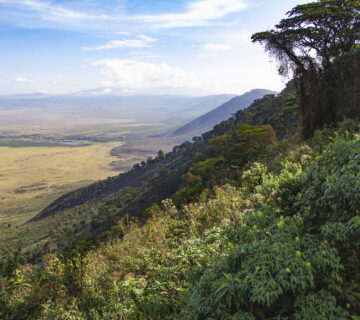
Uganda’s rich ecological diversity makes it ideal for bird photography. The country’s varied landscapes—ranging from the highlands of Bwindi and Rwenzori Mountains to the wetlands of Mabamba Bay and Queen Elizabeth National Park—provide unique backdrops for each species. This diversity ensures that photographers can capture a wide array of birds, from the brightly colored African Grey Parrots to the striking Shoebill Stork, often considered one of the most coveted species for bird photographers worldwide.
Key Bird Photography Destinations
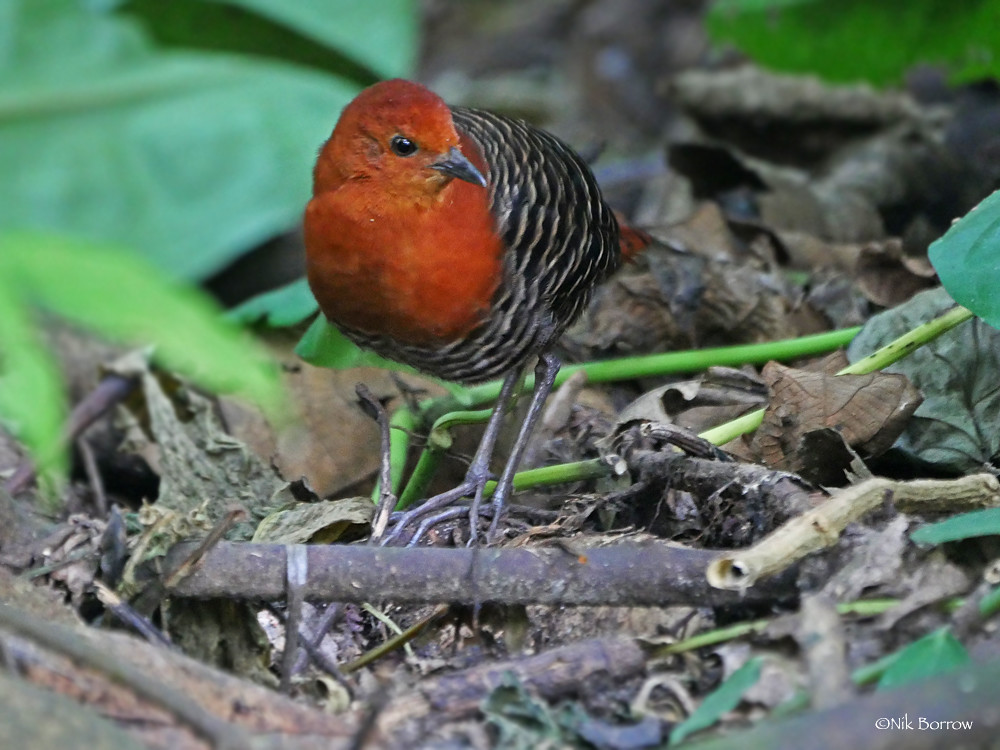
Bwindi Impenetrable Forest is renowned for its montane species, including the African Green Broadbill, Black-and-white-casqued Hornbill, and various sunbirds. Guided forest walks allow photographers to get close to these rare birds while capturing the forest’s lush, misty ambiance.
Mabamba Bay Wetlands near Entebbe is a must-visit for photographing the legendary Shoebill Stork. Early morning boat trips through papyrus swamps provide opportunities to capture these prehistoric-looking birds as they hunt, set against serene water reflections and dramatic light.
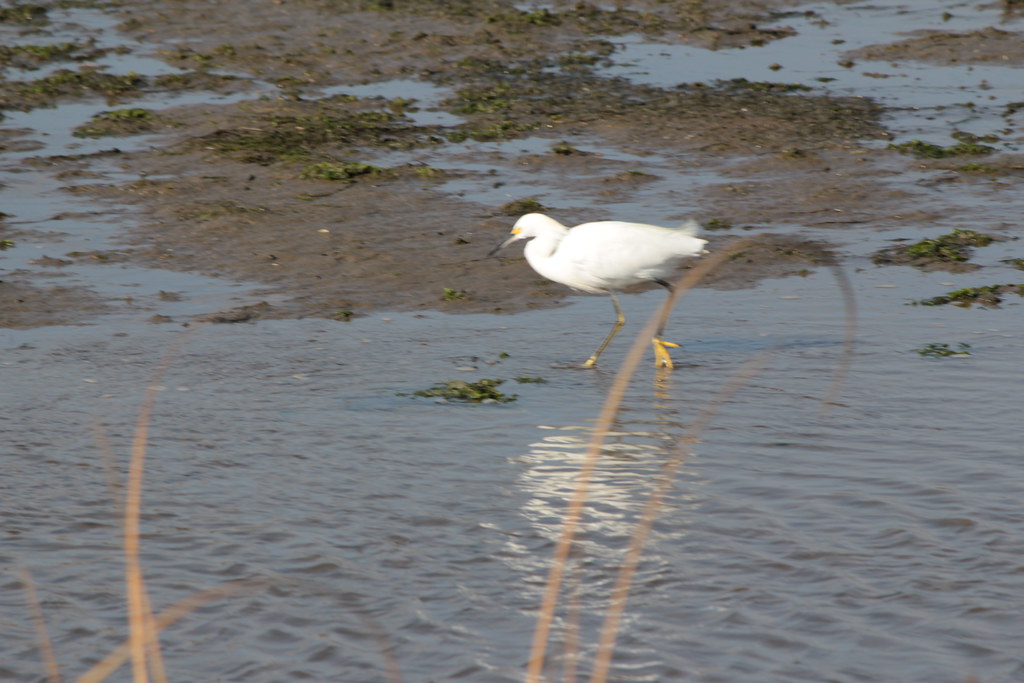
Queen Elizabeth National Park and Lake Mburo National Park combine savanna and wetlands, offering dynamic bird photography possibilities. The Kazinga Channel in Queen Elizabeth is particularly rich, hosting herons, kingfishers, fish eagles, and other waterbirds along the banks. Lake Mburo’s grasslands and lakeshores attract species such as the African Fish Eagle, malachite kingfishers, and various hornbills.
Rwenzori Mountains and Mgahinga Gorilla National Park provide opportunities for high-altitude bird photography, with species such as the Rwenzori Turaco and other Albertine Rift endemics adding vibrant color to the mountainous scenery.
Photography Techniques and Tips
For bird photography in Uganda, patience, timing, and equipment are essential. Early mornings and late afternoons provide the best lighting and the most bird activity. Telephoto lenses ranging from 300mm to 600mm allow photographers to capture detailed shots without disturbing wildlife. Fast shutter speeds are ideal for birds in motion, while careful composition and framing help emphasize the birds’ natural behaviors and habitats. Guides play a crucial role in locating species and suggesting vantage points that enhance photographic opportunities.
Photography-Friendly Lodges and Tours
Many lodges and camps in Uganda cater specifically to bird photographers, offering early breakfast options, flexible departure times, and access to private hides or vantage points. Some tours are led by professional guides experienced in bird identification and photography, combining technical advice with naturalist knowledge. This guidance enhances the likelihood of capturing rare and elusive species in optimal light conditions.
Seasonal Considerations
Uganda’s birdlife can be photographed year-round, though seasons influence visibility and behavior. The dry months (December–February and June–August) are generally easier for access and consistent lighting, while the wet season brings lush greenery and vibrant forest habitats, though some areas may be more challenging to navigate. Migratory species, such as certain raptors and waterbirds, are more abundant during specific months, adding diversity to photographic opportunities.
Ethical Bird Photography Practices
Responsible photography is critical to preserve Uganda’s bird populations. Photographers should avoid disturbing nesting sites, use natural perches when possible, minimize flash use, and maintain safe distances. Working with experienced guides ensures that photography is both ethical and rewarding, allowing birds to remain undisturbed while producing compelling images.
Uganda Through the Lens of Birdlife
Bird photography tours in Uganda offer an unmatched opportunity to capture the richness and beauty of Africa’s avian diversity. From rare forest species to majestic waterbirds and savanna inhabitants, Uganda provides a variety of habitats and subjects that inspire both amateur and professional photographers. With expert guides, photography-friendly accommodations, and ethical practices, bird photographers can experience an immersive journey into the Pearl of Africa while creating stunning visual records of its extraordinary wildlife.