Best Time to Visit Lake Kivu: A Complete Seasonal Guide
Understanding the best time to visit Lake Kivu helps travelers experience the lake at its most beautiful and comfortable. Stretching along Rwanda’s western border, Lake Kivu enjoys a mild climate throughout the year, shaped by altitude, surrounding hills, and steady lake breezes. Unlike many destinations where timing defines feasibility, Lake Kivu remains welcoming year-round, with each season offering a distinct atmosphere and travel style.
The lake connects Rwanda’s scenic lakeside towns of Gisenyi in the north, Karongi in the central region, and Rusizi in the south. While the core experience remains consistent, weather patterns influence water conditions, scenery, and the overall pace of travel.
Climate Overview of Lake Kivu
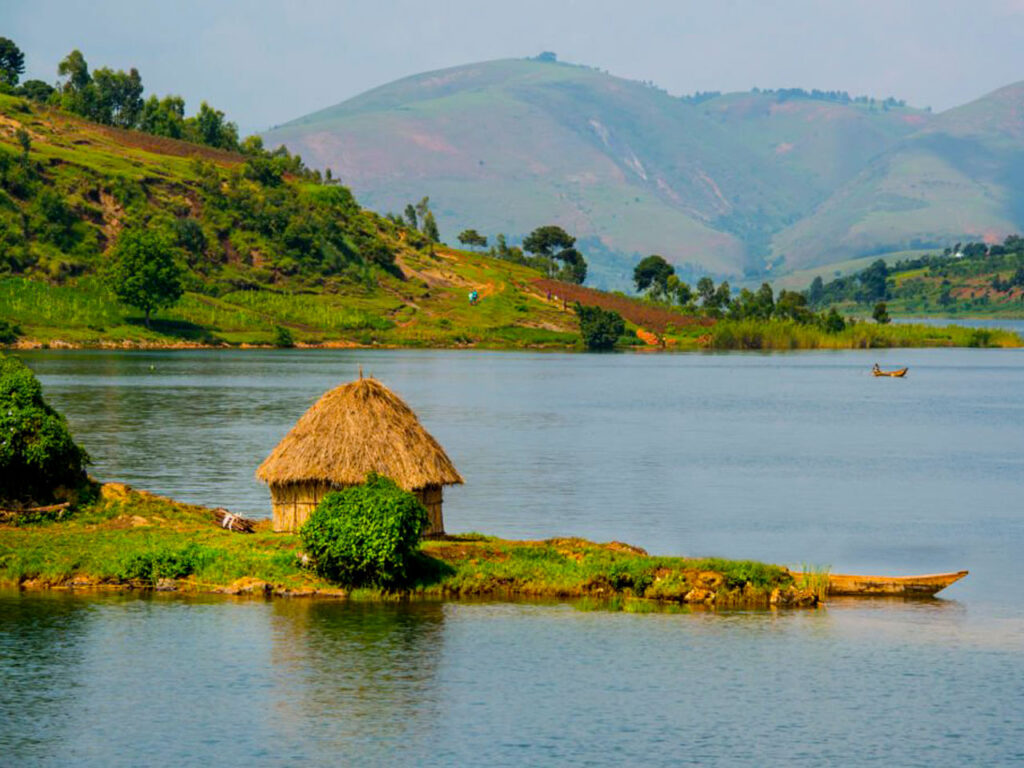
Lake Kivu sits at a high elevation, which keeps temperatures comfortable throughout the year. Daytime conditions remain warm but rarely extreme, while evenings cool down gently. The lake moderates the climate, reducing heat stress and creating ideal conditions for relaxation, swimming, kayaking, and lakeside living.
Rwanda follows a pattern of two dry seasons and two rainy seasons. These shifts affect visibility, water calmness, and landscape color rather than accessibility. Travelers can choose their visit based on preference for sunshine, greenery, or solitude rather than necessity.
Visiting Lake Kivu During the Long Dry Season (June to September)
June through September marks the most popular period to visit Lake Kivu. Skies remain mostly clear, humidity drops, and the lake stays calm for long stretches of the day. Morning waters often appear glass-like, creating perfect conditions for kayaking, swimming, and boat excursions.
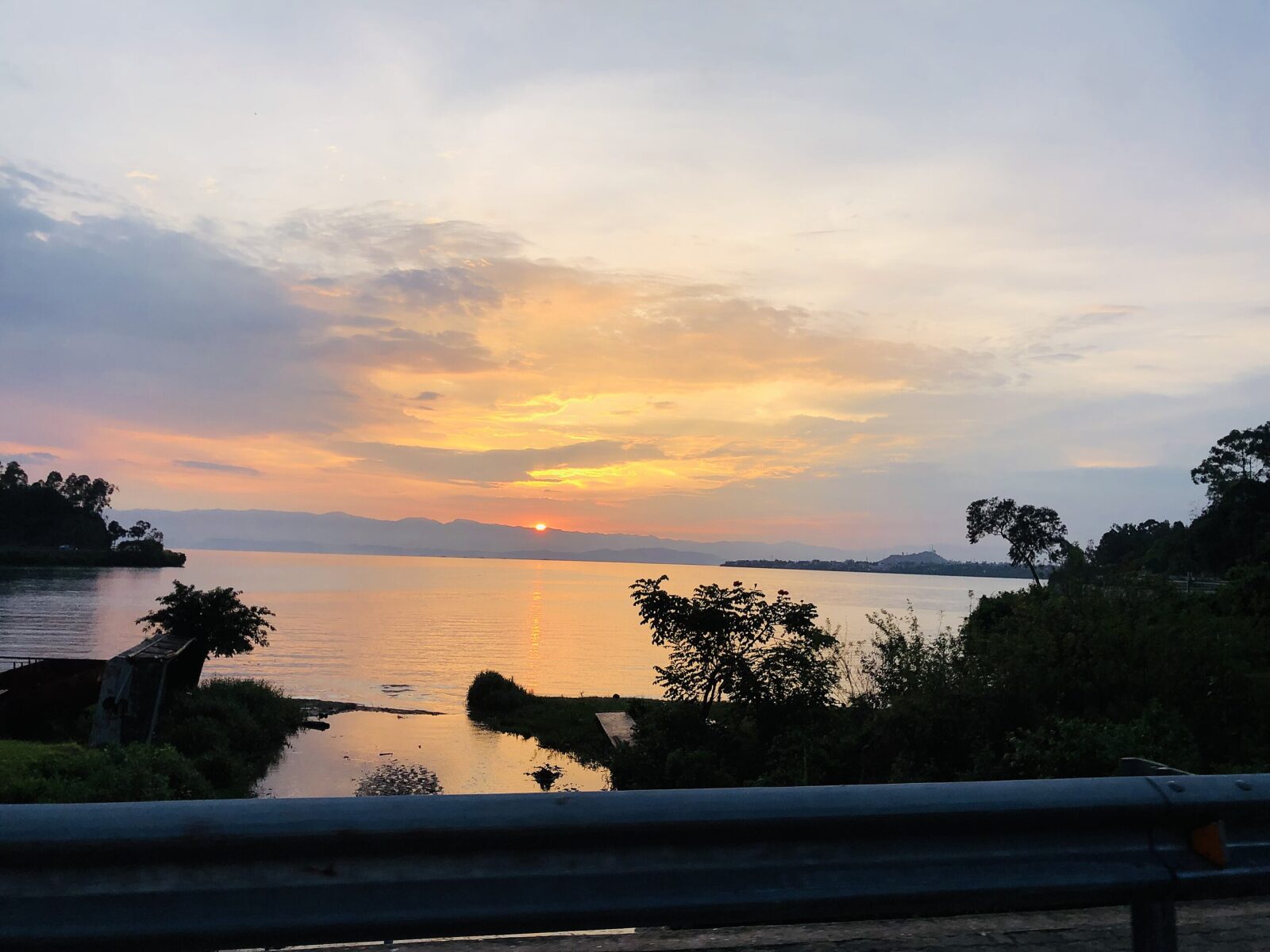
This season highlights Lake Kivu’s clarity and expansive views. Sunsets glow intensely, and evenings feel crisp and restful. Travelers who value predictable weather, photography, and outdoor wellness activities often favor this period. Accommodation demand increases during these months, especially in Gisenyi and Karongi, due to overlap with peak gorilla trekking season.
Short Dry Season Experiences (December to February)
December to February offers another excellent window to visit Lake Kivu. Rainfall remains low, temperatures stay warm, and the lake retains its calm character. This period suits travelers seeking a balance between good weather and slightly fewer crowds compared to the long dry season.
Holiday travel peaks around late December, bringing a lively yet relaxed energy to lakeside towns. Swimming, sunset cruises, and wellness retreats thrive during this season, making it ideal for couples and leisure-focused travelers.
Traveling to Lake Kivu During the Rainy Seasons
The long rainy season typically runs from March to May, while a shorter rainy period appears from October to November. Rainfall on Lake Kivu rarely feels disruptive. Showers often arrive in short bursts, followed by clear skies and refreshed air.
These seasons transform the landscape. Hills deepen in green tones, clouds drift dramatically across the lake, and the atmosphere becomes quieter and more introspective. Travelers seeking tranquility, wellness retreats, or creative inspiration often prefer this time. Lodge rates may soften, and fewer visitors create a more private lakeside experience.
Water activities remain possible, especially during mornings when winds stay light. Guided excursions adapt schedules to weather patterns, ensuring comfort and safety.
Best Time for Water Activities on Lake Kivu
For kayaking, swimming, and paddleboarding, early mornings remain the best time year-round. Winds tend to increase slightly in the afternoons regardless of season, making sunrise and mid-morning sessions ideal.
Dry seasons provide the most consistently calm conditions, but even during rainy months, the lake offers long windows of smooth water. Travelers focused on water-based relaxation rather than speed or sport will find Lake Kivu reliable in any season.
Best Time for Scenic Beauty and Photography
Photographers often debate the ideal season for Lake Kivu, as each period offers different visual rewards. Dry months deliver sharp visibility, clean horizons, and strong color contrast at sunrise and sunset. Rainy seasons provide layered clouds, misty mornings, and lush foregrounds that add depth and mood.
Those who appreciate dramatic skies and softer light often favor March to May or October to November. These months reward patience with striking atmospheric scenes.
When to Combine Lake Kivu with Other Rwanda Experiences
Lake Kivu frequently follows forest-based adventures such as gorilla trekking in Volcanoes National Park or chimpanzee tracking in Nyungwe Forest. Travelers who plan these activities often schedule Lake Kivu afterward for recovery and relaxation.
Dry seasons align perfectly with trekking conditions, making June to September and December to February popular for combined itineraries. Rainy seasons, however, still work well for travelers prioritizing wellness, culture, and slow travel.
Choosing the Right Time Based on Travel Style
The best time to visit Lake Kivu depends less on weather limitations and more on personal travel goals. Those seeking sunshine, structure, and classic lake conditions gravitate toward dry months. Travelers craving solitude, reflection, and vivid landscapes often prefer the rainy seasons.
Lake Kivu adapts gracefully to every time of year, offering calm water, welcoming communities, and restorative energy regardless of the calendar.