Best Time for Chimpanzee Trekking in Kibale Forest
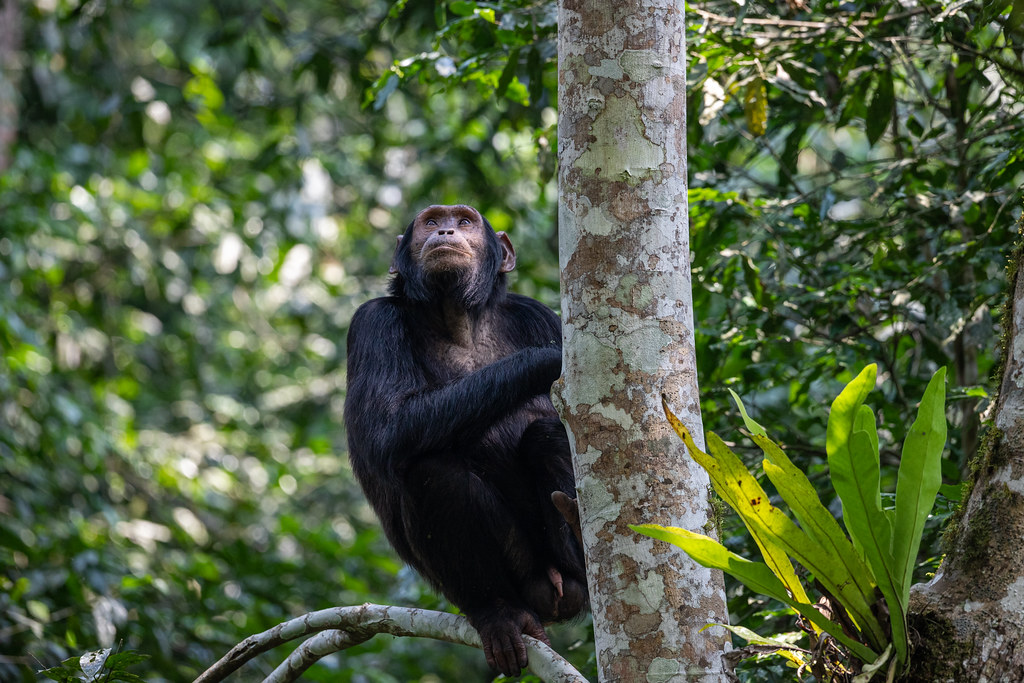
Kibale Forest National Park is widely regarded as the premier destination for chimpanzee trekking in Uganda and across East Africa. Home to the highest concentration of chimpanzees in the country, Kibale offers consistently rewarding encounters throughout the year. However, the quality of the trekking experience, trail conditions, and overall comfort can vary significantly depending on when you visit. Understanding the seasonal patterns of Kibale Forest allows travelers to plan their trip at the most suitable time for their interests, fitness levels, and travel expectations.
Chimpanzee trekking is available year-round in Kibale, but different months offer distinct advantages. Weather, forest conditions, food availability, and visitor numbers all influence how the experience unfolds in the field.
Understanding Kibale’s Climate and Forest Conditions
Kibale Forest lies within a tropical rainforest zone, which means rainfall is present in some form throughout the year. The forest remains lush and green regardless of season, creating a rich habitat for chimpanzees and other primates. Temperatures are generally mild, making trekking physically manageable for most visitors.
Rainfall patterns are the most important factor when choosing the best time to visit. During drier months, trails are easier to navigate, trekking durations are more predictable, and photography conditions are often better. In wetter months, the forest becomes denser and more atmospheric, but trekking can be more physically demanding due to muddy paths and increased humidity.
Dry Season: The Most Popular Time to Trek Chimpanzees
The dry seasons are widely considered the best time for chimpanzee trekking in Kibale, particularly for travelers seeking comfortable trekking conditions and smoother logistics. During these months, forest trails are less slippery, visibility is improved, and trekking tends to be more straightforward.
Chimpanzees are easier to track in the dry season because they spend more time feeding on fruiting trees closer to the forest floor. This often results in shorter trekking times and longer observation periods once the group is located. For first-time trekkers, families, and photographers, the dry season provides a more relaxed and predictable experience.
The popularity of this period means that permits and accommodation can book up quickly. Planning well in advance is essential for travelers aiming to visit during peak dry months, especially those combining chimpanzee trekking with gorilla trekking or other wildlife experiences in Uganda.
Wet Season: A Quieter and More Immersive Experience
The wet seasons in Kibale Forest offer a different but equally rewarding chimpanzee trekking experience. Rainfall transforms the forest into a vibrant ecosystem filled with birdlife, flowering plants, and dense vegetation. While trekking conditions can be more challenging, the forest feels more alive and immersive during this time.
Chimpanzees remain active throughout the wet season, and sightings are still very reliable. In fact, with fewer visitors on the trails, trekkers often enjoy more intimate encounters and quieter forest experiences. For travelers who value solitude, conservation-focused travel, and a deeper connection with nature, the wet season can be an excellent choice.
Photography during the wet months can be particularly striking, with dramatic lighting, rich green backdrops, and misty forest scenes. The trade-off is the need for good rain gear and a willingness to adapt to longer trekking times.
Best Months for Photography and Behavior Observation
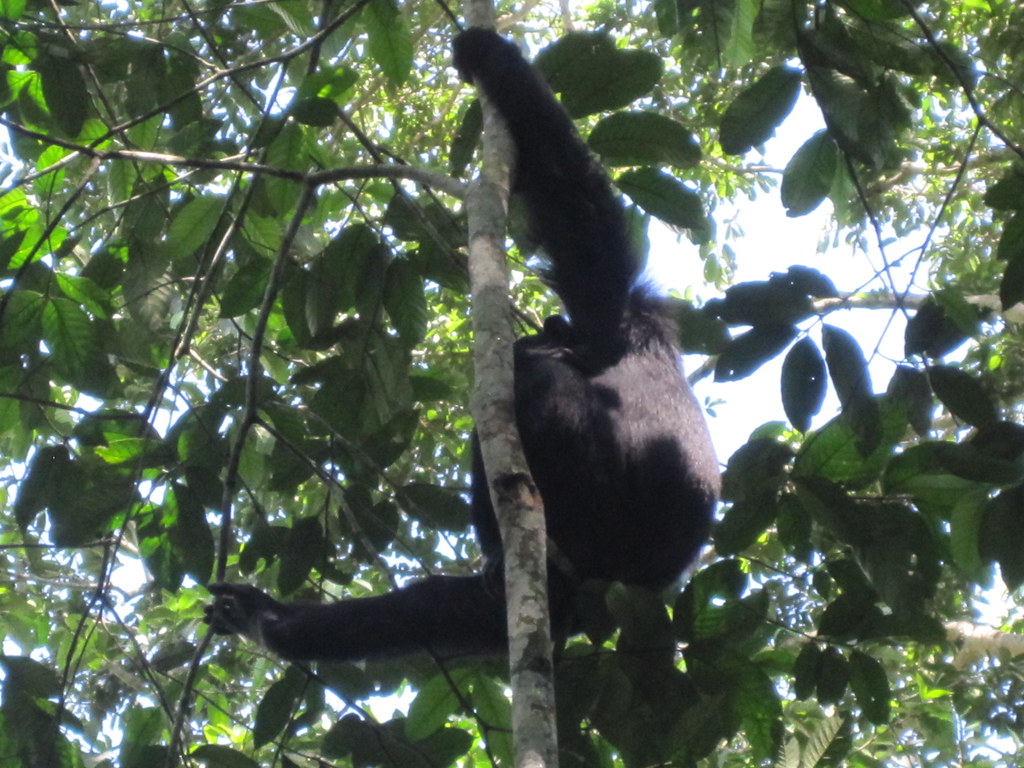
For travelers focused on photography and behavioral observation, timing can influence the quality of images and encounters. Periods when fruit is abundant often bring chimpanzees closer to the forest floor, making them easier to observe and photograph. Drier months tend to provide better lighting and cleaner lenses, while wetter months offer more dramatic natural settings.
Chimpanzees are highly vocal and social throughout the year, but early morning treks often provide the most dynamic experiences, including loud calls, movement through the canopy, and social interactions within the group. Choosing a season that aligns with your photography goals can significantly enhance the outcome of the trek.
Best Time for Budget Travelers
Travelers seeking a more affordable chimpanzee trekking experience may find the wet seasons more appealing. While permit prices remain largely stable, accommodation rates and tour costs are often lower during off-peak months. With fewer visitors, budget travelers can also enjoy more flexibility in booking and personalized attention from guides and lodge staff.
Despite the rain, the overall experience remains authentic and rewarding, making the wet season an excellent option for travelers prioritizing value over convenience.
Combining Chimpanzee Trekking with Other Activities
The timing of your chimpanzee trek can also influence how easily it fits into a broader Ugandan safari itinerary. Dry seasons are ideal for combining chimpanzee trekking in Kibale with savannah safaris in Queen Elizabeth National Park or gorilla trekking in Bwindi Impenetrable Forest. Wet seasons, on the other hand, are excellent for birdwatching and forest-focused itineraries that highlight Uganda’s biodiversity beyond large mammals.
Choosing the right time ensures smooth transitions between destinations and maximizes the overall safari experience.
The best time for chimpanzee trekking in Kibale Forest ultimately depends on your travel priorities. Dry seasons offer ease, comfort, and predictability, making them ideal for first-time visitors, families, and photographers. Wet seasons provide quieter trails, richer forest scenery, and greater value for budget-conscious travelers and nature enthusiasts.
Regardless of when you visit, Kibale Forest delivers unforgettable chimpanzee encounters year-round. With proper preparation and realistic expectations, every season offers a unique and deeply rewarding perspective on one of Uganda’s most remarkable wildlife experiences.