Best Parks to Visit in Uganda During the Rainy Season: Exploring the Pearl of Africa
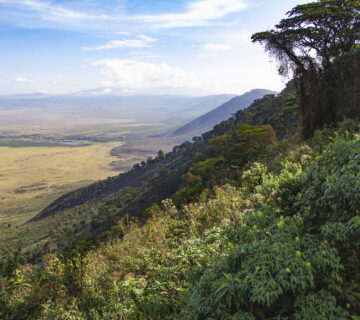
Uganda’s rainy season, typically from March to May and September to November, transforms the country into a lush, vibrant landscape teeming with life. While some areas may be more challenging to access due to muddy roads, many national parks remain highly rewarding for safari-goers, photographers, and wildlife enthusiasts. Visiting Uganda during the rainy season offers fewer crowds, abundant birdlife, and dramatic scenery, making it a unique and immersive safari experience.
Bwindi Impenetrable Forest
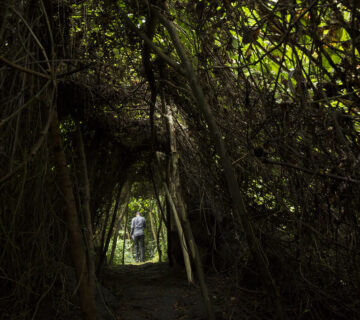
Bwindi Impenetrable Forest is a prime destination during the rainy season, especially for gorilla trekking and wildlife photography. The forest is lush and green, with mist-shrouded valleys providing a magical backdrop for photographing habituated mountain gorillas. Early morning treks offer opportunities to capture gorillas feeding, playing, and interacting in their natural habitat. Guides are experienced in navigating trails during wet conditions, ensuring safe and rewarding encounters.
Mgahinga Gorilla National Park
Neighboring Bwindi, Mgahinga Gorilla National Park is smaller but equally rich in biodiversity. The park is ideal during the rainy season for gorilla trekking and golden monkey tracking. The wet season enhances the beauty of the volcanic landscapes and montane forests, offering striking vistas for photographers. Trails may be slippery, so sturdy footwear and careful navigation are recommended.
Queen Elizabeth National Park
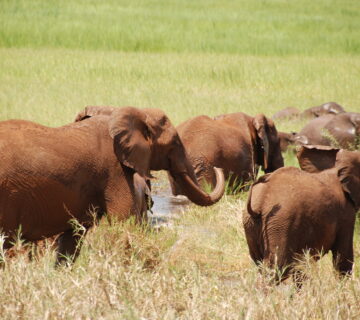
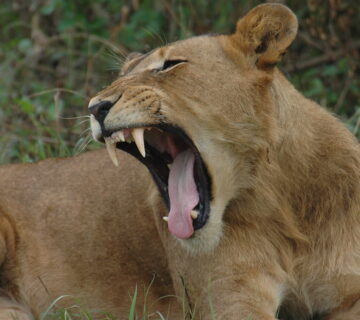
Queen Elizabeth National Park remains accessible during the rainy season and is excellent for wildlife viewing and bird photography. The Kazinga Channel comes alive as hippos, crocodiles, and waterbirds congregate, creating vivid photographic opportunities. While some savanna areas may have denser vegetation, guided game drives ensure sightings of elephants, lions, buffalo, and antelopes. The park’s diversity of habitats—wetlands, woodlands, and grasslands—makes it particularly rewarding during the green season.
Murchison Falls National Park
Murchison Falls National Park offers dramatic scenery during the rainy season, with the Nile gushing powerfully through the falls and surrounding landscapes appearing vibrant and lush. Wildlife viewing remains excellent, though animals may be more dispersed. Boat safaris along the Nile allow photographers to capture hippos, crocodiles, and birdlife against the dynamic backdrop of swollen rivers and waterfalls.
Lake Mburo National Park
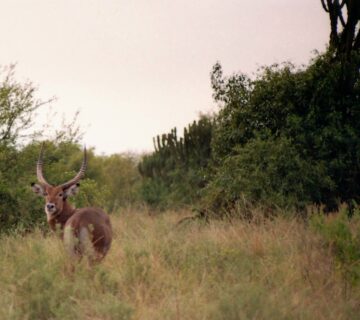
Lake Mburo National Park is ideal for close wildlife encounters during the rainy season. Its rolling hills, lakes, and wetlands attract zebras, impalas, giraffes, and a variety of bird species. While the wet season can make some tracks muddy, experienced guides help navigate the park safely. The lush scenery provides excellent opportunities for both wildlife and landscape photography.
Mabamba Bay
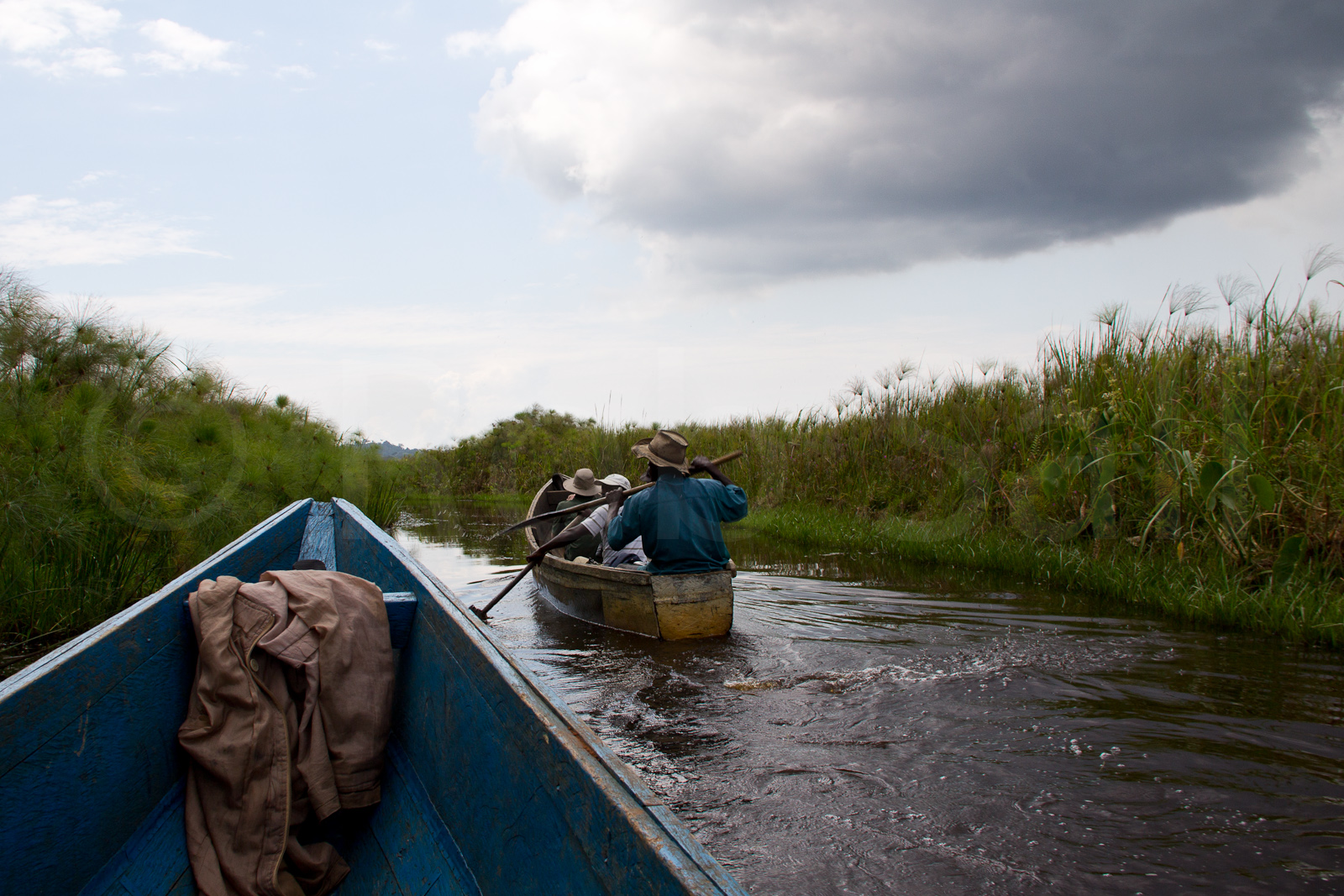
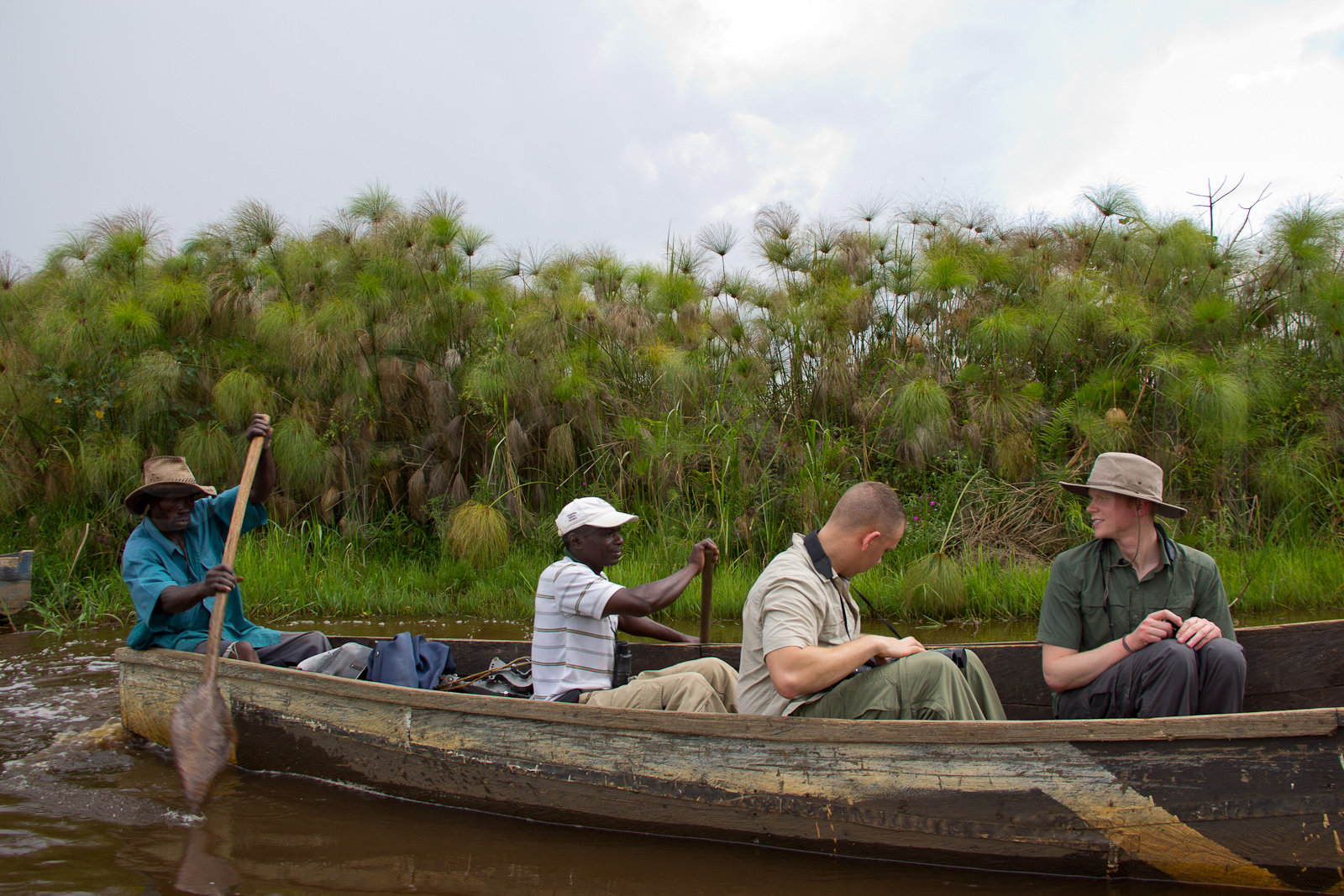
Mabamba Bay near Entebbe is perfect for bird photography during the rainy season, especially for capturing the elusive Shoebill Stork. Boat trips through papyrus swamps in the morning or late afternoon provide prime lighting conditions and serene water reflections. The green season enhances the abundance of wetland birds, making this a must-visit for avid birders and photographers.
Practical Tips for Rainy Season Safari Travel
Travelers during Uganda’s rainy season should prepare for wet conditions by packing waterproof clothing, sturdy shoes, and protective gear for cameras. Safari vehicles with experienced drivers and guides are recommended to navigate muddy tracks safely. Early morning and late afternoon game drives maximize wildlife sightings, and flexible itineraries allow adaptation to changing weather conditions.
Experiencing Uganda’s Lush Rainy Season
Uganda’s rainy season offers a rich, immersive safari experience, highlighting lush forests, dramatic waterfalls, abundant birdlife, and vibrant landscapes. Parks like Bwindi, Mgahinga, Queen Elizabeth, Murchison Falls, Lake Mburo, and Mabamba Bay remain accessible and highly rewarding, offering unique photographic and wildlife encounters. Traveling during this season allows visitors to enjoy the Pearl of Africa’s natural beauty with fewer crowds, providing an intimate and unforgettable safari experience.