Best Birding Sites in Uganda: A Comprehensive Guide
Uganda, the Ultimate Birdwatching Destination
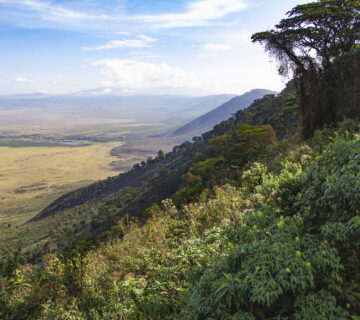
Uganda is celebrated as one of Africa’s premier birding destinations, boasting over 1,000 bird species in a compact and accessible country. Its diverse ecosystems, ranging from dense rainforests, montane forests, wetlands, savannahs, and lakeshores, provide habitats for a vast array of residents and migratory species. For birdwatchers, photographers, and nature enthusiasts, Uganda offers world-class birding experiences, where rare and endemic species coexist alongside striking landscapes and abundant wildlife. Guided birdwatching tours enhance the experience by offering expert knowledge of species identification, habitat, and behavior.
Bwindi Impenetrable Forest National Park
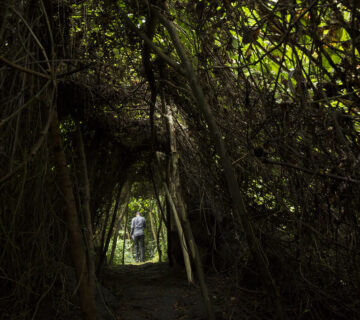
Bwindi, a UNESCO World Heritage Site, is famed for gorilla trekking but is also a hotspot for birding, hosting over 350 bird species. The park is particularly important for Albertine Rift endemics, which include species such as the African green broadbill, Shelley’s crimsonwing, and Chapin’s flycatcher. The dense forest canopy provides excellent opportunities to observe turacos, hornbills, and sunbirds. Walking trails allow for intimate and detailed observation, making Bwindi ideal for both beginners and advanced birders. Early mornings are especially productive as birds are most active during cooler hours, offering prime photography opportunities with soft natural light filtering through the forest canopy.
Mgahinga Gorilla National Park
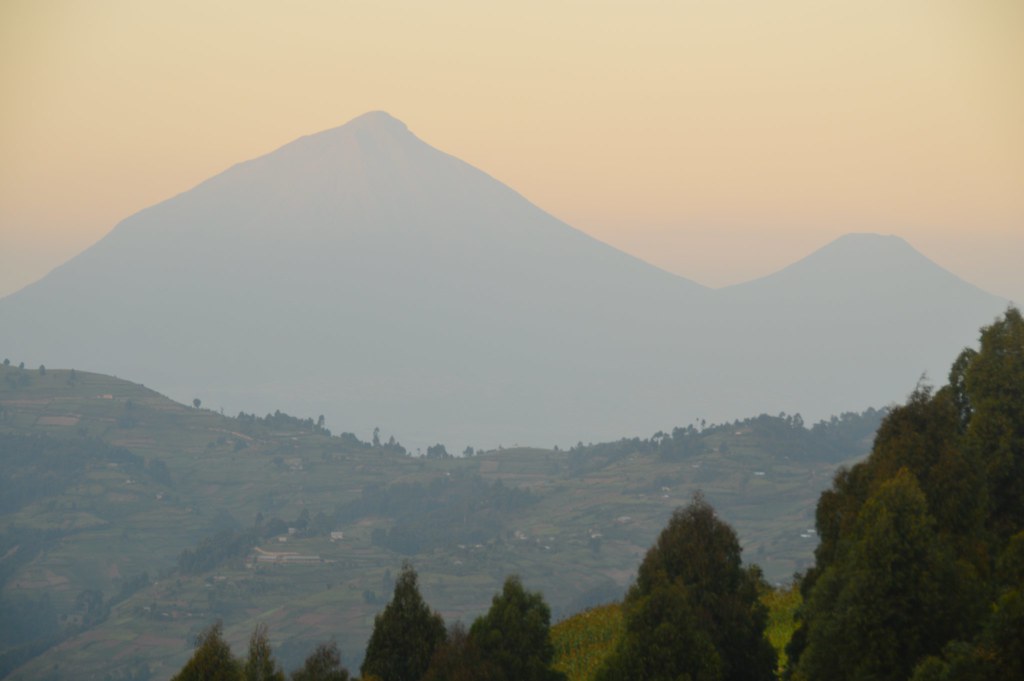
Situated in the Virunga volcanic region, Mgahinga is a smaller montane park but holds significant birding value. Its high-altitude forests and bamboo zones host Albertine Rift endemics such as the golden-winged sunbird, red-faced barbet, and mountain yellow warbler. Birdwatchers can combine their search for rare species with the scenic backdrop of the Virunga volcanoes, providing a unique experience where birding intersects with dramatic landscapes. The park’s trails allow for short or extended birding walks, giving enthusiasts flexibility depending on fitness levels and interest.
Mabira Forest Reserve
Mabira, located between Kampala and Jinja, is one of Uganda’s largest lowland rainforests and highly accessible for day trips. Birdwatchers can spot African grey parrots, black-billed turacos, green-headed orioles, and numerous flycatcher species. Its mix of forest interior and edge habitats allows for diverse sightings, and well-maintained trails make it suitable for both novice and experienced birders. Mabira is also ideal for combining birding with forest ecology studies, observing interactions between birds, insects, and plant species.
Queen Elizabeth National Park
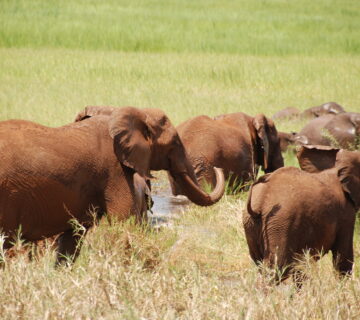
Queen Elizabeth NP offers a mix of savannah, woodland, and wetlands, making it a versatile birding destination. The Kazinga Channel is a highlight, attracting hundreds of waterbirds such as African fish eagles, pelicans, herons, storks, and cormorants. The park’s savannah supports raptors, hornbills, weaver birds, and numerous migratory species. Birdwatchers can combine birding with game drives, observing how birds interact with larger wildlife, such as elephants, buffalo, and hippos, creating dynamic photo opportunities and comprehensive wildlife experiences.
Murchison Falls National Park
Murchison Falls combines riverine, savannah, and woodland habitats, providing varied birdwatching opportunities. Species include the Goliath heron, African skimmer, fish eagles, and a wide variety of raptors. Boat safaris on the Nile are particularly rewarding, allowing visitors to observe waterbirds closely while enjoying views of the iconic Murchison Falls. The park’s diversity of habitats ensures sightings of both aquatic and terrestrial species, making it ideal for extended birdwatching tours.
Lake Mburo National Park
Lake Mburo is a smaller savannah and wetland park with rich birdlife. Its lakes and wetlands attract waterbirds such as storks, herons, and migratory species, while the open savannahs host weaver birds, hornbills, and raptors. Walking and horseback safaris provide access to less disturbed areas, increasing the likelihood of close sightings and photography. Its compact size allows for multiple birding experiences within a single day, ideal for those with limited time.
Semuliki National Park
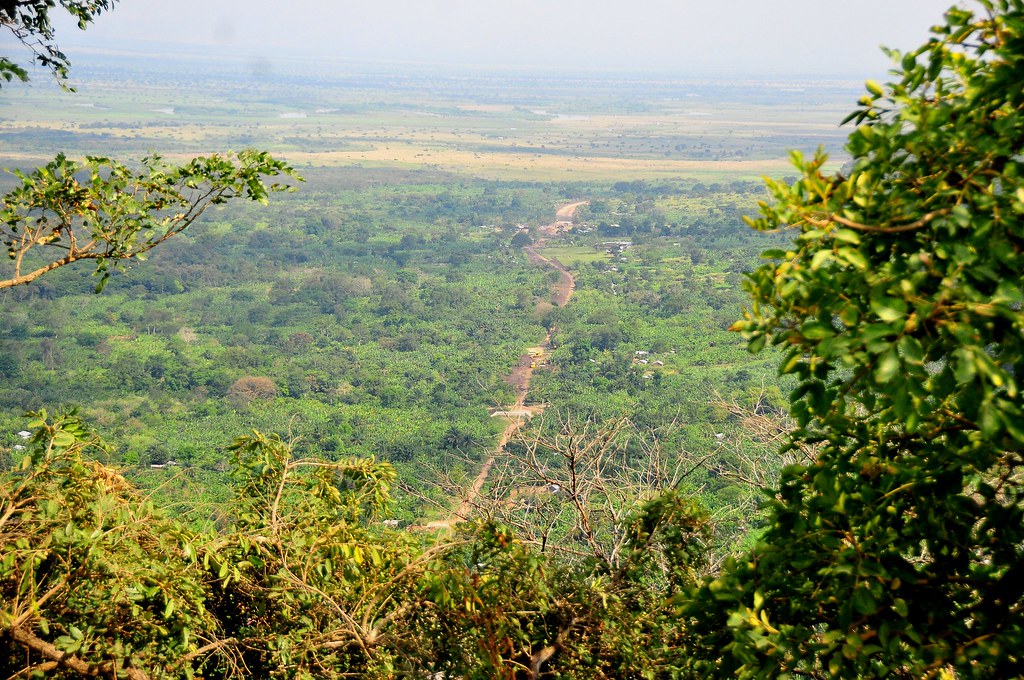
Semuliki, located near the DRC border, is a lowland tropical rainforest renowned for its exceptional bird diversity. Its swamp forests, hot springs, and riverine habitats are home to rare species like the Great Blue Turaco, Congo Bay Owl, and numerous kingfishers, sunbirds, and flycatchers. Semuliki is also ideal for migrant bird species, particularly during wet seasons, making it a key destination for avid birdwatchers seeking unusual sightings. Guided walks here reveal subtle ecological interactions, including nesting behaviors, feeding patterns, and interspecies dynamics.
Albertine Rift Endemics
The Albertine Rift region, encompassing Bwindi, Mgahinga, and surrounding forests, is a hotspot for endemics. Birders can target species such as the African green broadbill, blue-headed sunbird, red-collared babbler, and several flycatcher species. Visiting these parks allows for a focused endemic birding experience, often combined with gorilla trekking or hiking, enhancing the overall adventure.
Seasonal Considerations
Uganda’s birdwatching opportunities are productive year-round, but specific seasons influence sightings. The dry seasons (December–February and June–September) offer easier trail access, less dense foliage, and concentrated wildlife and bird populations. The wet seasons (March–May and October–November) produce lush vegetation and attract migratory birds, enriching the diversity of species encountered. Early mornings and late afternoons are consistently the most active periods for bird activity and photography.
Why Uganda Stands Out for Birdwatching
Uganda’s combination of ecological diversity, high endemicity, accessible parks, and knowledgeable guides makes it exceptional for birding. The country offers forest, savannah, and wetland habitats in a relatively compact geographic area, allowing visitors to experience a wide range of species and ecosystems within a single trip. Birdwatchers can also integrate their tours with gorilla trekking, game drives, boat safaris, and cultural encounters, creating a rich, multifaceted wildlife adventure