Batwa Cultural Experience in Bwindi: Immersing in Uganda’s Indigenous Heritage
The Batwa people, often referred to as the “Forest People,” are among Uganda’s oldest indigenous communities. Residing near Bwindi Impenetrable Forest in southwestern Uganda, the Batwa offer a unique cultural experience that allows visitors to learn about their rich traditions, forest-based lifestyle, and resilience. A Batwa cultural tour provides insight into a way of life closely tied to nature, offering both educational and immersive interactions for travelers.
Understanding the Batwa Community
The Batwa are traditional hunter-gatherers who historically lived deep within the forests of Bwindi and Mgahinga. Their knowledge of the forest ecosystem is profound, including skills in foraging, medicinal plants, and sustainable hunting techniques. Cultural tours highlight this ancestral wisdom, allowing visitors to appreciate how the Batwa have maintained their identity despite modern challenges and relocation from their forest homes.
Forest Walks and Traditional Practices
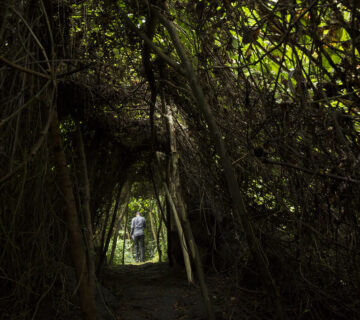
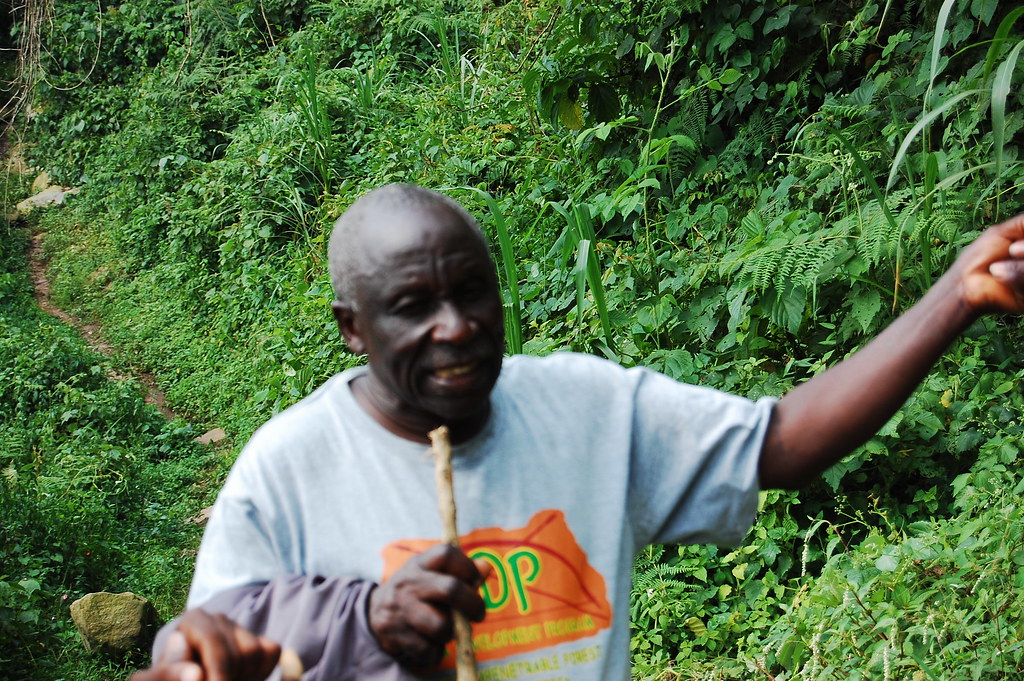
One of the most engaging aspects of the Batwa cultural experience is the guided forest walk. Batwa guides lead visitors along forest trails, demonstrating traditional methods of gathering food, identifying medicinal herbs, and explaining the ecological importance of various plant and animal species. These walks offer a hands-on way to learn about the symbiotic relationship between the Batwa and their natural environment.
Visitors also witness traditional hunting and survival techniques, such as making traps, using forest tools, and crafting handmade implements. These demonstrations provide a window into the Batwa’s resourcefulness and deep understanding of the forest ecosystem.
Music, Dance, and Storytelling
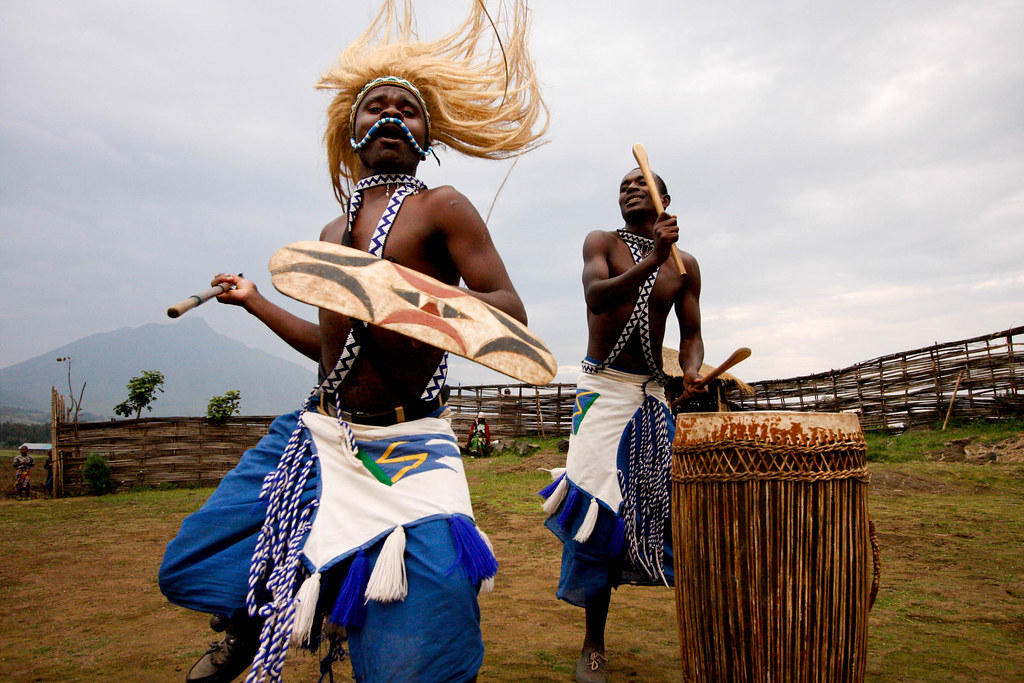
Music and dance are central to Batwa culture. During cultural visits, travelers can enjoy vibrant drumming, singing, and traditional dances performed by community members. These performances often tell stories of the Batwa’s history, forest life, and spiritual beliefs. Visitors may also be invited to participate, creating a dynamic and interactive cultural exchange.
Storytelling sessions offer further insights, as elders recount legends, proverbs, and historical narratives that have been passed down through generations. This oral tradition is a key component of the Batwa identity, providing context to their customs, beliefs, and resilience.
Crafts and Artisan Skills
Batwa communities are skilled artisans, creating items that reflect their heritage and forest environment. Visitors can observe the making of handcrafted items such as baskets, beadwork, and traditional tools. Purchasing these crafts supports the Batwa economically and helps preserve their cultural practices, providing a tangible connection to the community.
Community Interaction and Cultural Exchange
A Batwa cultural experience emphasizes meaningful engagement and mutual respect. Visitors learn about the challenges the Batwa face, including relocation and integration into modern Ugandan society, while witnessing their efforts to sustain traditions and livelihoods. Many tours include opportunities to share meals with the community, participate in agricultural activities, or support local initiatives, fostering a deeper understanding of Batwa life.
Sustainable Tourism and Conservation
Tourism with the Batwa is designed to be sustainable and community-focused. Fees from cultural visits often contribute to education, healthcare, and community development projects. By visiting and learning from the Batwa, travelers support cultural preservation and empower the community to maintain its heritage while adapting to contemporary challenges.
Best Time to Visit
The dry seasons from December to February and June to September are ideal for Batwa cultural tours. Trails are easier to navigate, and weather conditions are favorable for forest walks and outdoor cultural demonstrations. Rainy seasons can make paths slippery but enhance the forest’s lushness, providing a vibrant backdrop for the experience.
The Batwa cultural experience in Bwindi is a deeply enriching journey into Uganda’s indigenous heritage. From forest walks and traditional practices to music, dance, storytelling, and artisan crafts, every interaction offers insight into a resilient and resourceful community. For travelers seeking meaningful cultural immersion, engaging with the Batwa provides a rare and unforgettable connection to Uganda’s oldest forest people.