Adventure Trekking Packages for Mount Gahinga and Bisoke Peaks
The Virunga volcanic range in southwestern Uganda is a magnet for adventure trekkers, and two of its most compelling challenges are Mount Gahinga and Mount Bisoke. These volcanic peaks rise from the verdant landscapes bordering Mgahinga Gorilla National Park and Virunga National Park (DR Congo), offering dramatic trails through bamboo forests, afro‑alpine moorlands, and crater lakes. Adventure trekking packages tailored for these peaks combine physical challenge, ecological richness, cultural immersion, and expert guidance—ideal for travelers seeking multi‑day mountain experiences beyond traditional safari journeys.
Understanding the Volcanoes: Gahinga and Bisoke
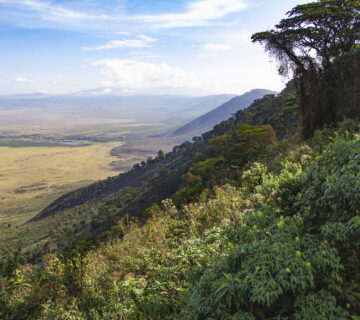
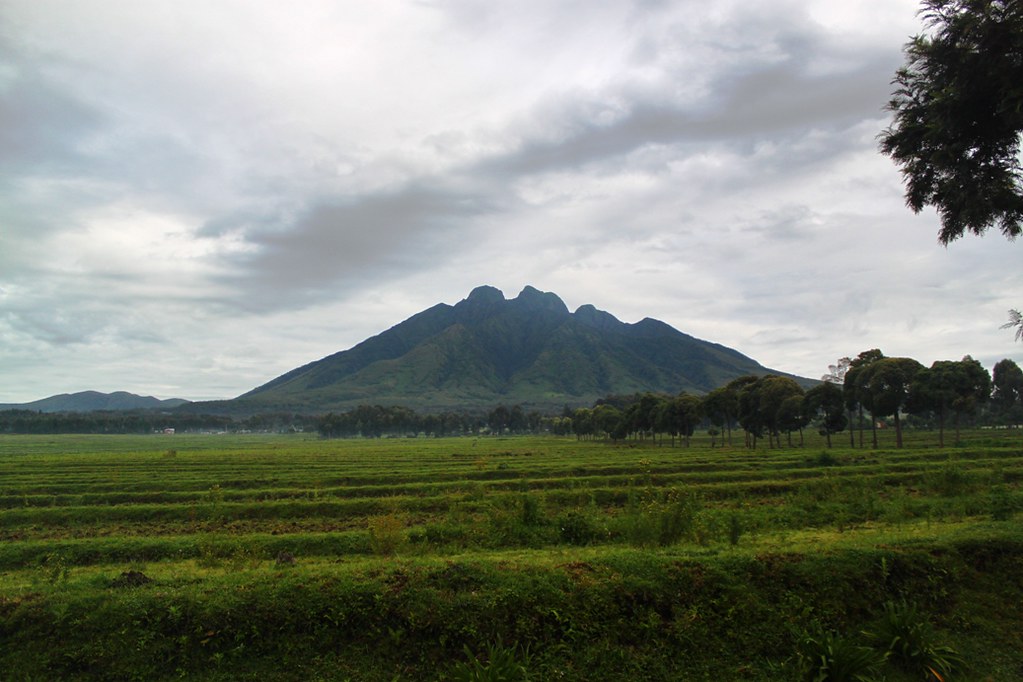
Mount Gahinga and Mount Bisoke are distinct in character and scenic appeal. Mount Gahinga’s name means “a pile of stones” in the local language, reflecting its rugged terrain. The trek to its summit leads through montane forests and vast bamboo zones where golden monkeys and a variety of birds are often encountered. The views from the top provide sweeping panoramas of the surrounding Virunga volcanoes and the borderlands between Uganda, Rwanda, and the Democratic Republic of Congo.
Mount Bisoke, on the other hand, is known for its striking crater lake near the summit, a shimmering body of water set amid volcanic slopes. Trekking Bisoke is a moderate yet rewarding challenge, with routes that ascend forested slopes before giving way to afro‑alpine vegetation and dramatic highland vistas. Adventure trekkers who reach the crater are rewarded with spectacular scenery and the chance to reflect on the raw power of the Virunga volcanic system.
Typical Adventure Trekking Package Structure
Adventure trekking packages for Mount Gahinga and Bisoke are commonly structured over multiple days to allow for acclimatization, wildlife observation, and cultural engagement. A standard itinerary might begin with arrival in Kisoro or a base near Mgahinga Gorilla National Park, followed by an orientation day where trekkers meet guides, prepare equipment, and explore local villages or nearby scenic points such as Lake Mutanda. The trekking days that follow typically alternate between summit pushes and explorations of surrounding forests and volcano foothills.
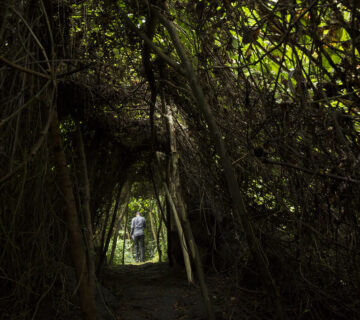
Packages often include guided ascents of one or both peaks. For Mount Gahinga, the trek might start with a gradual climb through bamboo forests that are alive with primate activity, including habituated golden monkeys. The vegetation gradually opens to reveal volcanic ridges and wide terraces, ideal for panoramic photography. Bisoke summit ascents usually begin early in the morning, climbing steep but manageable slopes with the goal of reaching the crater lake around midday, when lighting and weather conditions are often most favorable for views and images.
Wildlife and Ecological Highlights
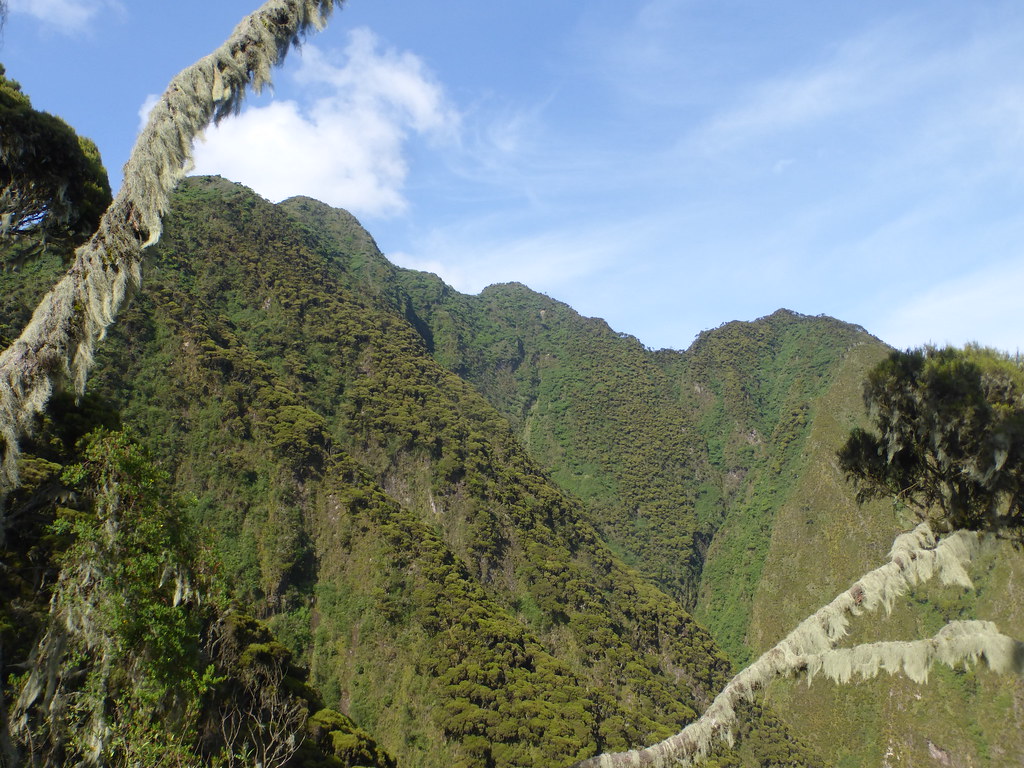
The trekking routes to Mount Gahinga and Bisoke are gateways to rich biodiversity. As the trails wind through bamboo forests, trekkers may encounter golden monkeys, colobus monkeys, and other primate species moving among the tall bamboo stalks. Birdwatchers will appreciate sightings of montane species, sunbirds, turacos, and raptors that glide above volcanic ridges. In regions where forest gives way to afro‑alpine moorland, the flora becomes equally intriguing, with giant lobelias, groundsel plants, and other high‑altitude vegetation creating surreal landscapes that contrast sharply with the dense woodlands below.
Experienced guides enrich the trek by interpreting animal signs, explaining ecological relationships, and pointing out subtle changes in vegetation as altitude increases. This blend of physical challenge and wildlife observation elevates the trekking experience, making it more than just a summit attempt.
Cultural Integration and Local Engagement
Adventure trekking packages frequently integrate cultural encounters that add depth to the journey. Alongside physical activity, trekkers may visit nearby communities to learn about the lifestyles, traditions, and agricultural practices of local groups such as the Bakiga and Batwa. Cultural experiences might include participation in coffee farm tours, traditional storytelling sessions, or demonstrations of indigenous crafts and music. These opportunities allow trekkers to appreciate not only the natural beauty of the Virunga region but also the human heritage that is intimately connected with these volcanic landscapes.
Logistics, Accommodation, and Support
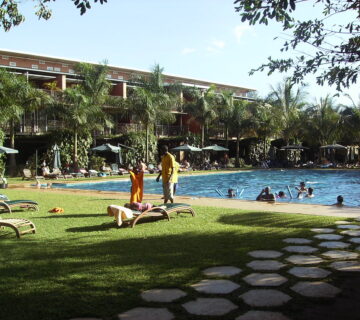
Well‑designed trekking packages take care of logistics to ensure comfort and safety. Accommodations typically range from eco‑lodges and boutique safari camps near park boundaries to basic but secure mountain huts or tented camps along trekking routes for those seeking deeper immersion. Packages include meals prepared to provide energy and nutrition for physically demanding days, transportation to and from trailheads, and all required permits for national park access.
Professional guides, often from local communities, accompany all treks. Their experience with terrain, weather patterns, and wildlife behaviors is invaluable for navigation and safety. Support staff may include porters who help carry camping gear and supplies, allowing trekkers to focus on the journey without undue burden.
 Preparing Physically and Practically
Preparation enhances both safety and enjoyment of these adventure treks. Trekkers should be in good physical condition and familiar with hiking on uneven terrain. Essential gear includes sturdy hiking boots with reliable ankle support, moisture‑wicking clothing suited for variable mountain weather, rain protection, gloves for cooler high‑altitude conditions, and a day pack for water, snacks, and photography equipment.
Weather on volcanic peaks can change rapidly, so layers and waterproof gear are essential. Hydration and nutrition are prioritized, with guides advising on appropriate pacing and rest intervals to mitigate fatigue. Altitude acclimatization is also a consideration, even though the elevations are moderate compared to high‑mountain regions elsewhere.
Seasonal Considerations
Seasonality affects both trail conditions and scenery. Dry periods—typically December through February and June through September—offer firmer paths, clearer views, and reduced risk of mud and slippery rocks. Trekking during wet months brings lush vegetation and active streams and waterfalls, but trails may be more challenging and require careful navigation. Packages can be adjusted to accommodate seasonal conditions, ensuring that trekkers enjoy both safety and memorable scenery.
Combining with Broader Safaris
Adventure trekking in the Virunga volcanoes pairs well with broader wildlife safari experiences in Uganda. After completing ascents of Mount Gahinga and Bisoke, many travelers extend their journey to include wildlife viewing in Queen Elizabeth National Park or gorilla trekking in Bwindi Impenetrable Forest. This multi‑destination approach transforms the trip into a comprehensive exploration of Uganda’s natural wonders, from primates and big game to volcanic summits and highland ecosystems.
A Dynamic Adventure in Uganda’s Volcanoes
Trekking Mount Gahinga and Bisoke Peaks is a rewarding challenge for adventure travelers, offering dramatic landscapes, wildlife encounters, cultural richness, and physical accomplishment. Well‑crafted trekking packages provide expert guidance, comfortable support, and tailored experiences that suit a range of fitness levels and travel styles. By combining mountain adventure with cultural engagement and ecological discovery, these treks create some of Uganda’s most unforgettable safari experiences—where every step toward a summit reveals not only terrain but connections between nature, culture, and personal achievement.