Adventure Safari Lodges for Wildlife Photography in Uganda: Capture the Wild Like Never Before
Introduction: Where Adventure Meets Photography
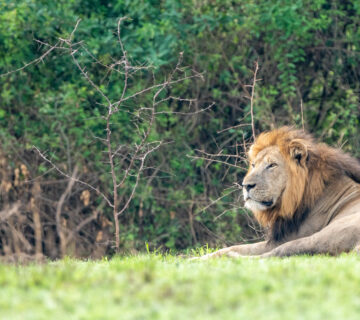
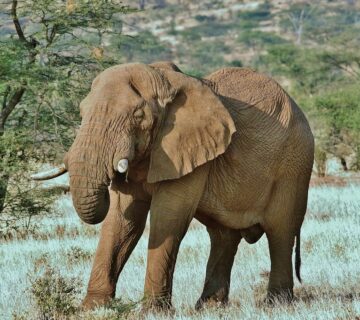
Uganda’s wildlife-rich landscapes provide the perfect setting for photographers seeking adventure and unforgettable imagery. Adventure safari lodges combine proximity to national parks, comfortable accommodations, and access to thrilling wildlife experiences tailored for photographers. Whether you’re aiming to capture the intimate behaviors of mountain gorillas in Bwindi, the majestic elephants and lions of Queen Elizabeth, or the birdlife along the Kazinga Channel, choosing the right lodge is essential for a productive photography safari.
Why Adventure Safari Lodges Are Ideal for Photographers
Adventure safari lodges are more than just accommodation—they are strategic bases for immersive wildlife photography. These lodges offer:
-
Proximity to wildlife habitats: Lodges located near park entrances or along key wildlife corridors reduce travel time and increase photography opportunities.
-
Access to guided adventures: Expert guides lead game drives, walking safaris, and boat excursions designed to position photographers optimally for shots.
-
Flexible itineraries: Early morning and late afternoon excursions are prioritized for the best lighting and animal activity.
-
Photography-friendly amenities: Observation decks, private terraces, hides, and scenic viewpoints allow photographers to capture wildlife without disturbance.
By combining adventure with photographic access, these lodges help photographers maximize their time in the field.
Recommended Adventure Safari Lodges for Wildlife Photography
Bwindi Impenetrable Forest and Mgahinga
-
Cloud Mountain Gorilla Lodge: Nestled on forested slopes, perfect for gorilla and golden monkey photography. Observation decks and early access to trekking trails provide opportunities for dynamic wildlife shots.
-
Rushaga Gorilla Camp: Located near habituated gorilla families, offering quick access to gorilla treks and expert guides familiar with primate behavior.
-
Mount Gahinga Lodge: Ideal for both gorilla trekking and capturing stunning volcanic landscapes. The lodge’s terraces provide panoramic photography opportunities.
Queen Elizabeth National Park
-
Ishasha Wilderness Camp: Situated near the tree-climbing lions’ habitat, this lodge allows photographers to capture rare lion behaviors at close range.
-
Mweya Safari Lodge: Overlooking the Kazinga Channel, perfect for photographing hippos, crocodiles, and diverse birdlife during boat safaris.
-
Enganzi Lodge: Offers elevated viewing platforms for big game spotting and sunrise photography over the savannah.
Murchison Falls National Park
-
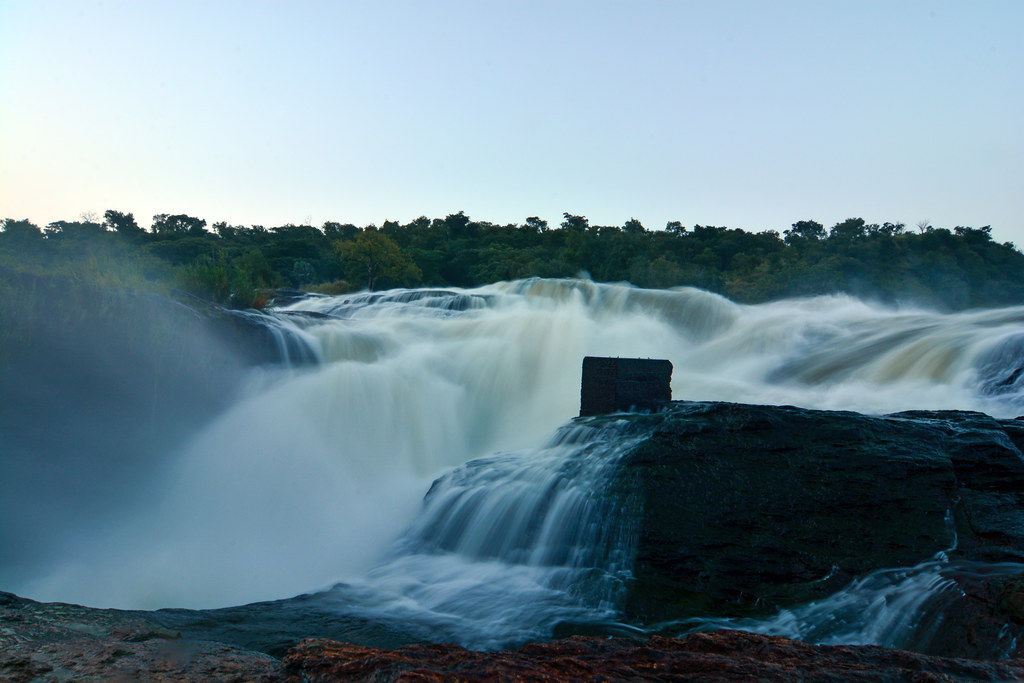
Paraa Safari Lodge (budget and mid-range options): Located near the Nile River, excellent for big game and landscape photography.
-
Fort Murchison Lodge: Provides access to game drives and boat trips, allowing photographers to capture elephants, giraffes, and river wildlife in dramatic settings.
Adventure Photography Opportunities
Staying at adventure safari lodges allows photographers to capture a wide range of wildlife and natural phenomena:
-
Primate Photography: Gorilla families, golden monkeys, and chimpanzees in natural forest environments.
-
Big Game Photography: Lions, elephants, leopards, buffalo, and antelope on open savannahs.
-
Bird Photography: Waterbirds, forest species, and migratory birds along rivers and wetlands.
-
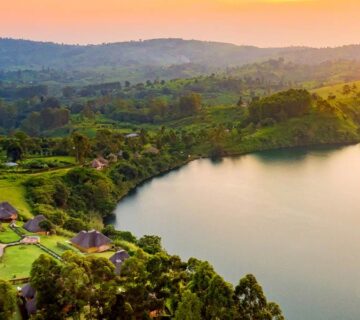
Landscape and Sunset Photography: Savannas, volcanic hills, rivers, and misty valleys provide dramatic backdrops.
-
Action Shots: Hunting scenes, social interactions, and animal movements captured with telephoto lenses and fast shutter speeds.
Adventure safari lodges give photographers the flexibility to pursue both action and intimate wildlife moments.
Photography Tips for Adventure Safaris
-
Gear Selection: Carry telephoto lenses for distant wildlife, wide-angle lenses for landscapes, and macro lenses for birds or insects.
-
Lighting Awareness: Use golden hours for soft, dramatic light, and adjust ISO/aperture for forested or low-light conditions.
-
Patience and Observation: Observe animals’ behaviors before shooting to capture authentic moments.
-
Composition: Utilize foreground elements, natural frames, and the rule of thirds to enhance images.
-
Ethical Photography: Maintain safe distances, minimize disturbances, and follow lodge and park regulations.
Applying these techniques ensures that every adventure becomes a photographic opportunity.
Seasonal Considerations
-
Dry Season (December–February, June–August): Wildlife is more visible and roads are easier to navigate, ideal for big game photography.
-
Wet/Green Season (March–May, September–November): Offers lush landscapes, vibrant forest colors, and more bird activity, perfect for forest and primate photography.
Planning your safari according to seasonal conditions enhances photographic outcomes and provides varied visual experiences.
Lodges That Elevate the Photography Safari Experience
Adventure safari lodges in Uganda are more than resting points—they are essential for a productive wildlife photography experience. With strategic locations near key wildlife habitats, expert guides, flexible itineraries, and photography-friendly amenities, these lodges provide the perfect environment for capturing Africa’s iconic wildlife. From gorilla portraits in misty forests to big game in golden savannah light, adventure safari lodges enable photographers to document Uganda’s biodiversity in style, comfort, and safety.