The Great Wildebeest Migration in Kenya: Best Months and Viewing Spots
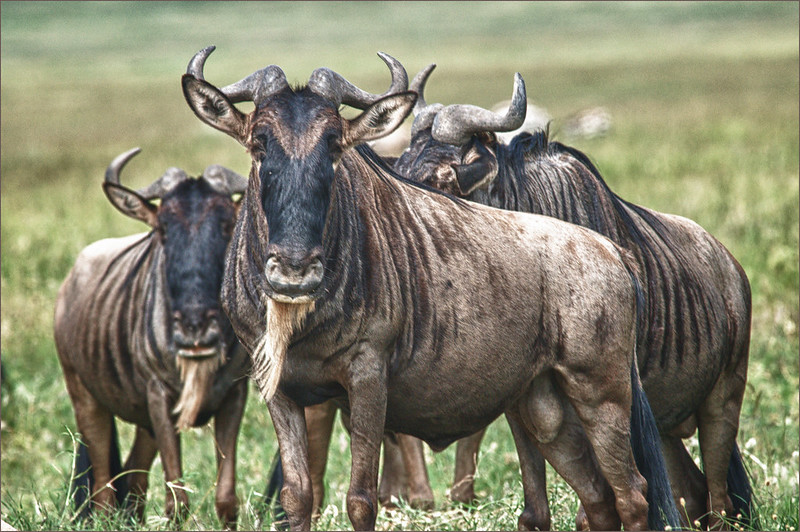
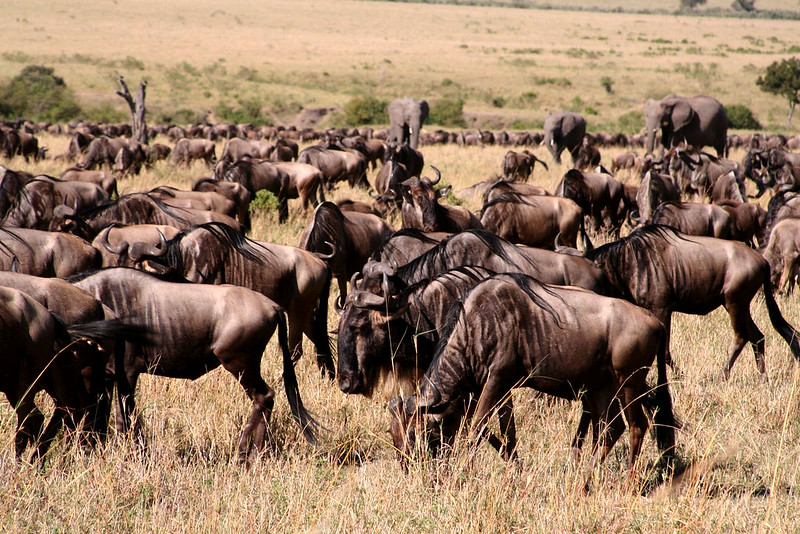
The Great Wildebeest Migration is Kenya’s most dramatic natural spectacle, defined by scale, movement, and raw survival. Each year, vast herds of wildebeest, accompanied by zebras and gazelles, move between Tanzania and Kenya in search of fresh grazing. In Kenya, this phenomenon reaches its peak in the Maasai Mara, where river crossings, predator encounters, and endless plains create one of the most powerful wildlife experiences on earth.
Understanding the Migration Cycle in Kenya
The migration is not a single event but a continuous circular movement driven by rainfall patterns. When grasses dry out in the southern Serengeti, the herds begin moving northward, eventually crossing into Kenya. Their arrival in the Maasai Mara marks the most intense and visually dramatic phase of the migration, attracting predators and safari enthusiasts from around the world.
Best Months to See the Migration in Kenya
The prime migration season in Kenya typically runs from July through October, when the herds occupy the Maasai Mara’s grasslands. During this period, wildlife densities are extremely high, and predator activity intensifies. River crossings are most frequently observed between July and September, though exact timing varies each year depending on rainfall. By October, the herds begin their gradual return south, signaling the end of Kenya’s peak migration window.
The Maasai Mara as the Migration Epicenter
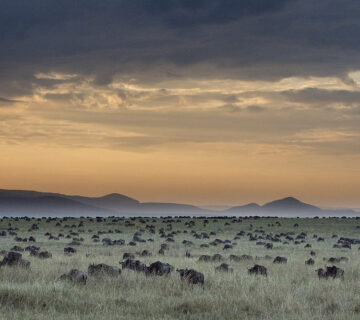
The Maasai Mara National Reserve is the undisputed heart of the migration in Kenya. Its open plains provide rich grazing, while the Mara River becomes the defining obstacle for migrating herds. Crocodile-filled waters and steep banks create high-stakes crossings that showcase the harsh realities of the natural world. Game drives during this period often reveal massive concentrations of animals stretching across the horizon.
 Key River Crossing Areas in the Mara
Certain sections of the Mara River are particularly known for migration crossings, where herds gather for days before plunging into the water. These crossings are unpredictable, sometimes occurring suddenly after long periods of hesitation. When they happen, the scenes are intense and unforgettable, combining movement, danger, and sheer animal numbers in one frame.
Predator Action During the Migration Season
The migration dramatically increases predator activity throughout the Maasai Mara. Lions, leopards, cheetahs, hyenas, and crocodiles take advantage of the abundance of prey, creating exceptional opportunities to witness hunting behavior. This predator-prey dynamic is a major reason why the migration season is considered the best time for action-packed safaris in Kenya.
Photography and Viewing Conditions
The dry-season conditions during peak migration months provide excellent visibility and photography opportunities. Short grass improves wildlife viewing, dust-filled sunsets add atmosphere, and the concentration of animals allows for powerful wide-angle and close-up shots. Early morning and late afternoon drives are especially productive, offering softer light and increased animal movement.
Private Conservancies and Alternative Viewing Areas
Areas bordering the Maasai Mara, including private conservancies, offer a quieter migration experience. While the herds move freely across boundaries, these zones often allow for fewer vehicles, longer viewing times, and more flexible safari activities. They are ideal for travelers who want to experience the migration without the busiest sections of the main reserve.
Planning a Migration Safari in Kenya
Successful migration viewing depends on timing, patience, and experienced guiding. Because animal movements respond to weather rather than fixed calendars, no sighting is ever guaranteed. However, choosing the right months, staying near key migration corridors, and allowing multiple game drive opportunities greatly increases the chances of witnessing river crossings and large herd movements.
Why the Migration Remains Kenya’s Greatest Wildlife Event
The Great Wildebeest Migration in Kenya is more than a wildlife viewing experience; it is a powerful display of nature’s rhythm and resilience. The sight of thousands of animals moving as one across open plains and dangerous rivers leaves a lasting impression that defines the essence of an African safari. For travelers seeking drama, scale, and authenticity, the migration season in Kenya offers an experience unmatched anywhere else in the natural world.