Kenya Safari Circuit Explained: Northern vs Southern Routes
Kenya’s safari landscape is traditionally divided into two distinct circuits, each offering a unique wildlife and cultural experience. The northern and southern safari routes differ in geography, climate, species composition, and travel style, making the choice between them an important decision when planning a Kenyan safari. Understanding how these circuits compare helps travelers design itineraries that align with their interests, expectations, and time available.
Understanding Kenya’s Southern Safari Circuit
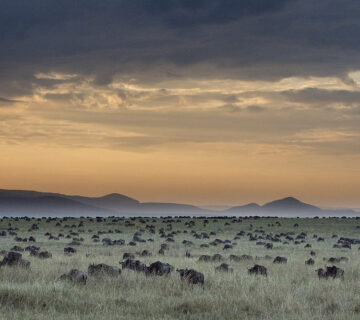
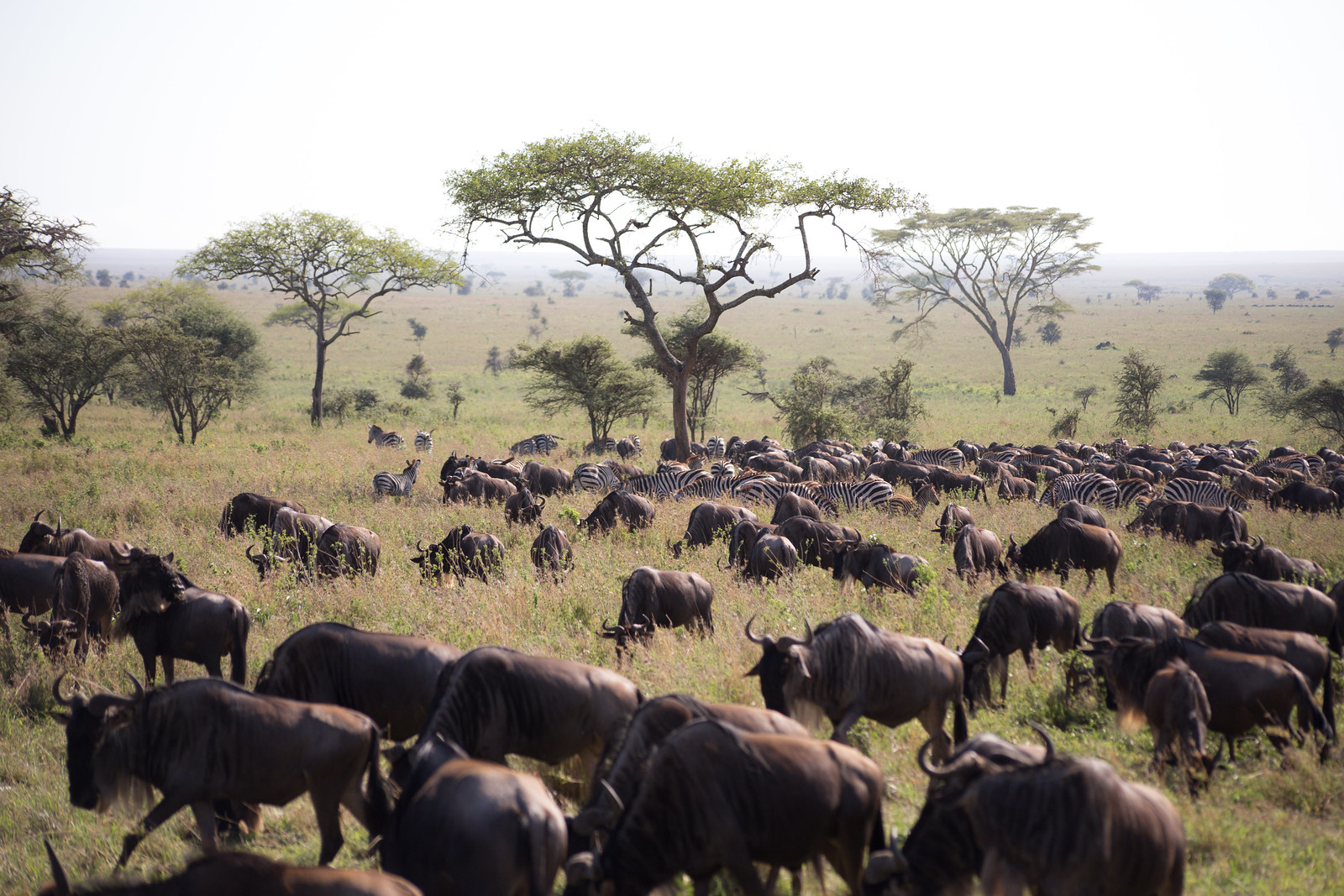
The southern safari circuit represents the classic image most travelers associate with Kenya. This route is characterized by open savannahs, rolling grasslands, and high concentrations of plains game. Wildlife viewing here is often dramatic and fast-paced, with frequent predator sightings and expansive herds moving across the landscape. The southern circuit is also highly developed, offering a wide range of safari lodges, established road networks, and year-round accessibility.
Key destinations within the southern circuit form a well-connected safari loop, allowing travelers to combine multiple parks in a relatively short time. The region supports large populations of elephants, lions, leopards, cheetahs, and buffalo, making it particularly attractive for first-time safari visitors and those seeking iconic wildlife scenes. Seasonal events such as large-scale migrations further enhance its global reputation.
The Character of Kenya’s Northern Safari Circuit
The northern safari circuit delivers a more rugged and exploratory safari experience. Landscapes here are shaped by semi-arid terrain, rocky hills, river corridors, and vast open spaces that feel remote and untamed. Wildlife densities are generally lower than in the south, but the diversity of rare and endemic species sets the northern route apart. Encounters tend to feel more personal, unfolding in quieter settings with fewer safari vehicles.
Cultural interaction is a defining feature of the northern circuit, where traditional pastoralist communities maintain strong ties to the land. The region offers insight into Kenya’s indigenous cultures alongside wildlife viewing, creating a safari experience that extends beyond game drives. Lodges are fewer and more widely spaced, often emphasizing exclusivity, conservation, and low-impact tourism.
 Wildlife Differences Between the Two Circuits
The southern circuit is dominated by classic savannah species and high predator density, making it ideal for travelers focused on big game sightings and photography. In contrast, the northern circuit is known for species adapted to arid conditions, including animals rarely encountered elsewhere in Kenya. This difference makes the northern route particularly appealing to experienced safari-goers seeking new species and less conventional environments.
Landscape, Climate, and Seasonal Variations
Climate plays a significant role in shaping safari conditions across both circuits. The southern regions experience more predictable rainfall patterns and greener landscapes, while the north is drier, hotter, and more variable. These climatic differences influence animal movements, vegetation cover, and the overall pace of the safari. Seasonal changes can dramatically alter scenery, accessibility, and photographic opportunities in both regions.
Accessibility and Travel Style Considerations
Travel logistics differ notably between the two safari circuits. The southern route benefits from shorter driving distances and easier access from major cities, making it suitable for travelers with limited time. The northern circuit often requires longer transfers or flights, rewarding those who invest the time with deeper immersion and a stronger sense of exploration. The choice ultimately reflects whether convenience or remoteness is a higher priority.
Choosing the Right Safari Circuit for Your Journey
Selecting between Kenya’s northern and southern safari routes depends on personal travel goals. Travelers seeking iconic wildlife scenes, high game density, and established safari infrastructure often gravitate toward the southern circuit. Those drawn to rare species, dramatic arid landscapes, and cultural depth tend to favor the northern route. Many experienced travelers choose to combine both circuits, creating a balanced safari that captures the full diversity of Kenya’s wilderness.
The Value of Understanding Kenya’s Safari Circuits
A well-planned safari circuit transforms a Kenyan safari from a simple wildlife tour into a cohesive journey. By understanding the differences between the northern and southern routes, travelers can align expectations with reality and design itineraries that deliver both satisfaction and discovery. Kenya’s strength lies in this diversity, offering safari experiences that range from iconic and dramatic to remote and deeply immersive.