Conservation Tourism in Kenya: How Safaris Support Wildlife
Kenya’s safari industry does far more than showcase wildlife. At its core, safari tourism plays a direct role in protecting animals, preserving habitats, and supporting the communities that live alongside wildlife. Conservation tourism connects visitor experiences with long-term environmental protection, ensuring that Kenya’s ecosystems remain viable for future generations.
Understanding how safaris support conservation helps travelers make informed choices that create real impact beyond the game drive.
What Conservation Tourism Means in Kenya
Conservation tourism in Kenya links travel revenue to wildlife protection and habitat management. Park fees, conservancy payments, and lodge partnerships fund ranger patrols, research, land protection, and community programs. Safaris generate economic value for living wildlife, which discourages poaching and land conversion.
Rather than removing people from conservation areas, Kenya’s model integrates communities, wildlife, and tourism into a shared system of benefit and responsibility.
National Parks and Protected Areas
Kenya’s national parks form the backbone of conservation tourism. Places like the Maasai Mara National Reserve protect critical wildlife habitats while generating income through park entry fees. These funds support ranger salaries, infrastructure maintenance, and habitat monitoring.
Safari tourism creates a strong incentive to preserve these protected areas. Wildlife populations thrive where tourism revenue supports enforcement and long-term planning.
The Rise of Community Conservancies
Community conservancies represent one of Kenya’s most effective conservation success stories. These conservancies operate on land owned by local communities, where residents lease land for conservation and tourism rather than agriculture or development.
In regions surrounding the Maasai Mara, Samburu, and Laikipia, conservancies provide income through tourism while protecting wildlife corridors. Communities receive direct financial benefits, which strengthens support for conservation and reduces human-wildlife conflict.
Anti-Poaching and Ranger Protection
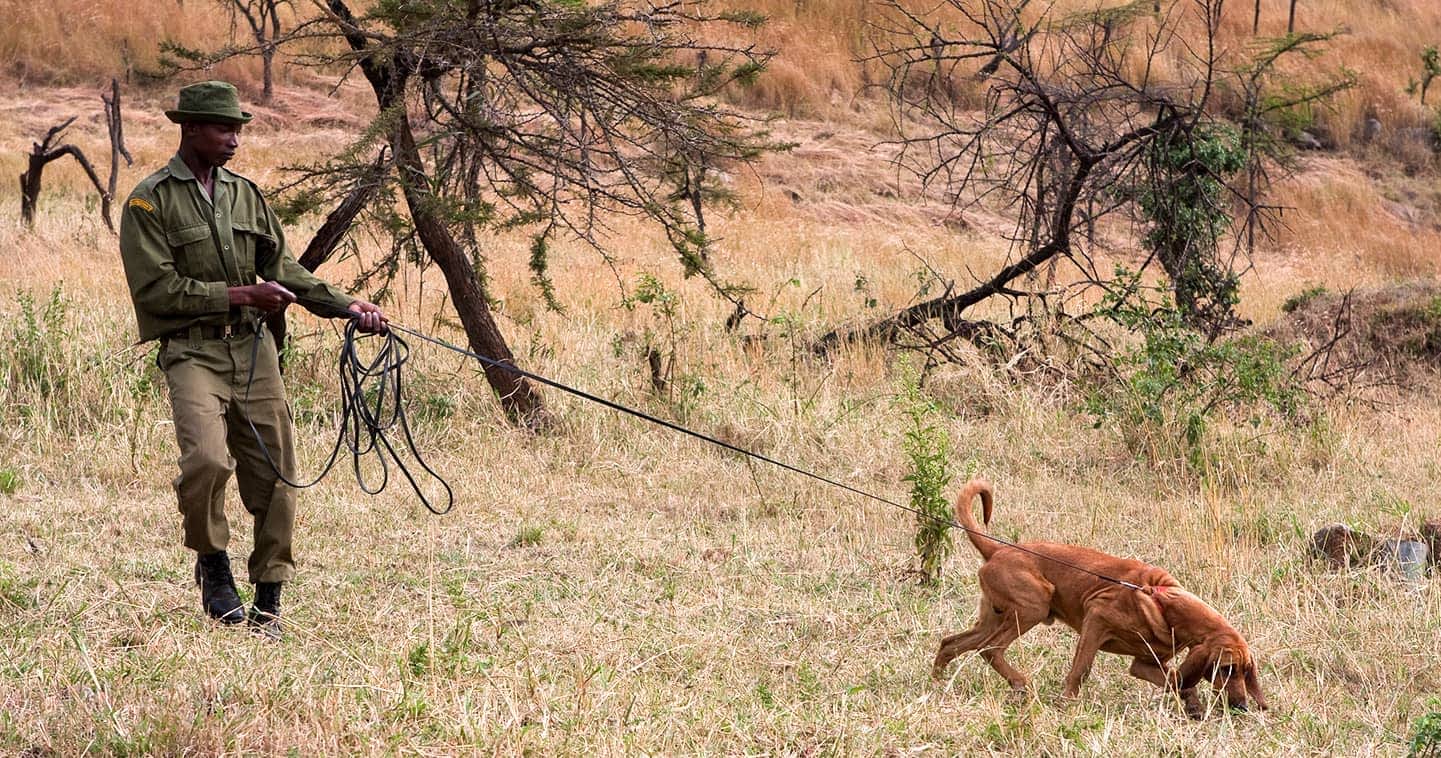
Safari tourism funds frontline conservation work. Ranger teams patrol parks and conservancies daily, monitoring wildlife movements and preventing illegal activity. Tourism revenue supports equipment, training, vehicles, and communication systems that keep rangers effective and safe.
In areas such as Samburu National Reserve, community-backed ranger programs have significantly reduced poaching while improving wildlife monitoring and security.
Supporting Endangered Species Protection
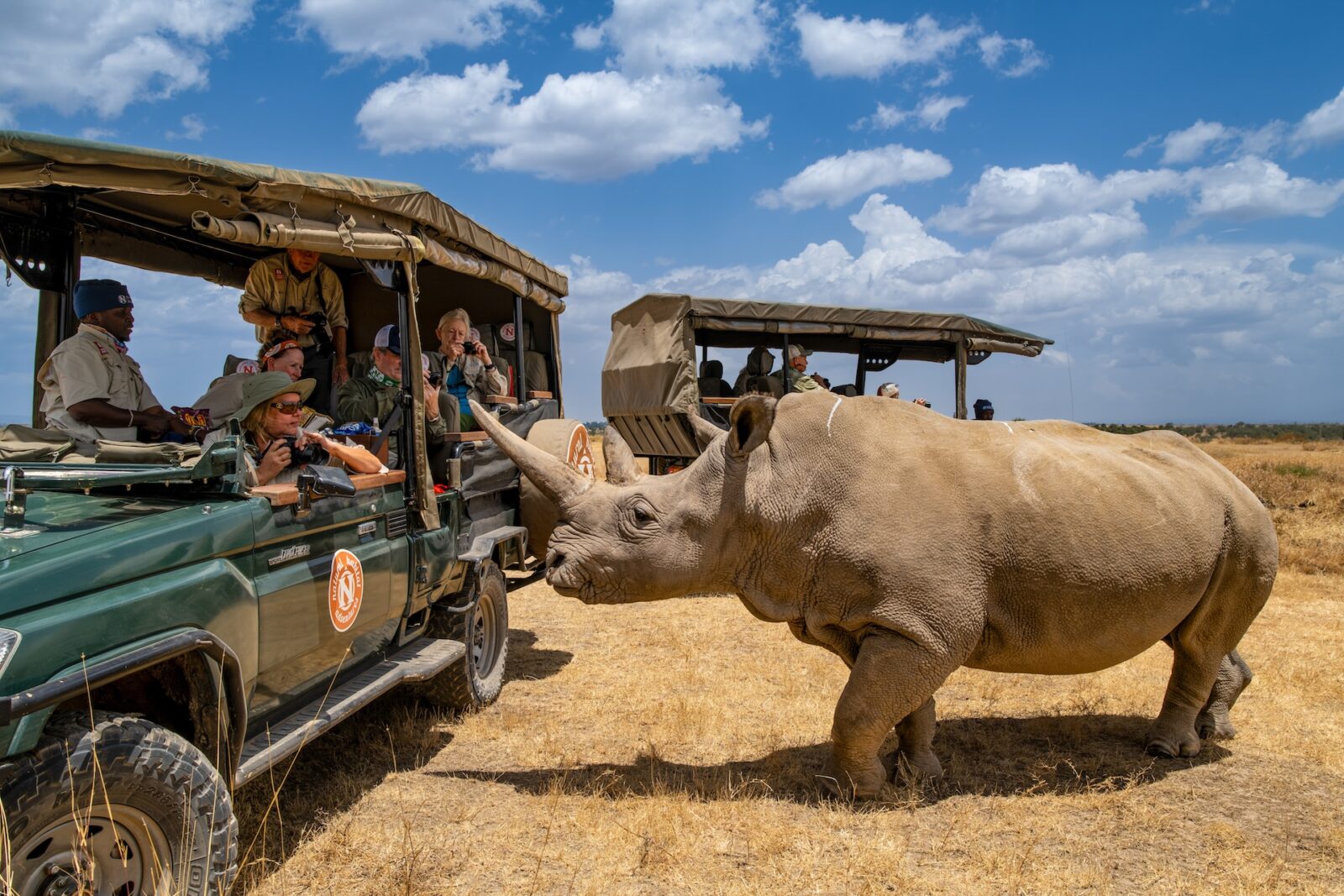
Kenya uses conservation tourism to protect endangered species, particularly rhinos and elephants. Parks like Lake Nakuru National Park function as critical sanctuaries for black and white rhinos, supported by tourism-funded security and research.
Elephant conservation programs rely on safari income to maintain migration corridors, fund research, and mitigate conflict between wildlife and nearby farms.
How Lodges Contribute to Conservation
Safari lodges play an active role in conservation beyond accommodation. Many invest in solar power, water conservation, waste reduction, and habitat restoration. Lodges often fund local schools, clinics, and conservation education programs as part of their operating model.
By employing local staff and sourcing supplies locally, lodges strengthen community ties and create shared interest in wildlife protection.
Community Benefits and Human–Wildlife Coexistence
Conservation tourism helps communities coexist with wildlife rather than compete with it. Revenue from tourism supports education, healthcare, and infrastructure in rural areas where wildlife lives. These benefits reduce resentment toward wildlife and encourage tolerance when animals move outside protected areas.
When communities benefit directly from conservation, wildlife becomes an asset rather than a threat.
Responsible Travelers Make a Difference
Travelers influence conservation outcomes through their choices. Booking with ethical operators, staying in conservation-focused lodges, and respecting park rules all contribute to positive impact. Responsible behavior during game drives protects animal welfare and reduces environmental stress.
Even small decisions, such as limiting plastic use or supporting local crafts, reinforce conservation goals.
The Future of Conservation Tourism in Kenya
Kenya continues to refine its conservation tourism model. Expanding community conservancies, strengthening wildlife corridors, and integrating climate resilience remain key priorities. Safari tourism provides the funding and international support needed to adapt conservation strategies to changing environmental conditions.
Sustainable safari tourism ensures wildlife protection remains economically viable in a rapidly developing region.
Final Thoughts on Conservation Tourism in Kenya
A Kenya safari is more than a holiday. It is a direct contribution to wildlife protection, habitat preservation, and community development. When travelers understand how their safari supports conservation, the experience gains deeper meaning.
By choosing conservation-focused safaris, visitors help ensure that Kenya’s wildlife continues to roam free, not only for today’s travelers, but for generations to come.