
Maasai Cultural Experiences to Add to Your Kenya Safari
A Kenya safari is not only about wildlife. Culture plays an equally powerful role in shaping the journey, and few communities are as closely connected to the land as the Maasai. Adding Maasai cultural experiences to your safari provides context to the landscapes you explore and the wildlife you encounter. It transforms game drives into a deeper understanding of how people and nature coexist in East Africa.
These experiences work best when they are respectful, well-guided, and rooted in genuine interaction rather than performance alone.
Understanding the Maasai Way of Life
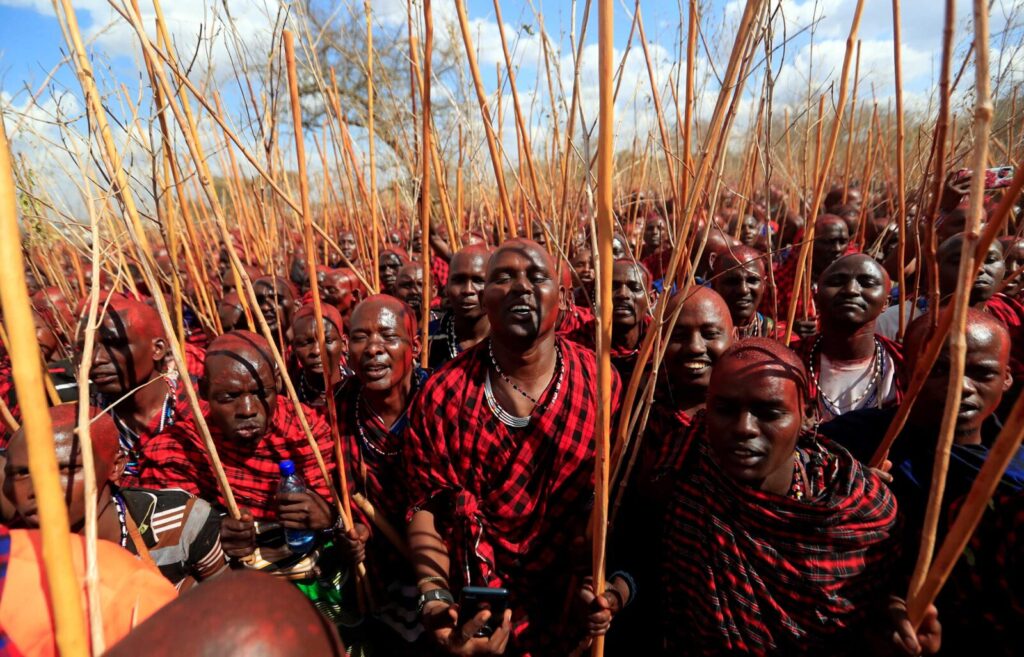
The Maasai are semi-nomadic pastoralists whose traditions revolve around cattle, land, and community. Their lifestyle has remained resilient despite modern pressures, and many communities still practice age-old customs passed down through generations. Visiting Maasai areas near the Maasai Mara National Reserve allows travelers to see how culture and conservation intersect.
Learning about Maasai social structures, age-set systems, and daily routines adds meaning to the landscapes you cross on safari. It also explains why wildlife corridors and grazing lands remain so important to both people and animals.
Visiting a Traditional Maasai Village (Manyatta)
A guided visit to a Maasai manyatta offers insight into everyday life. You learn how homes are built using natural materials, how families organize their space, and how cattle form the center of economic and cultural life. These visits often include storytelling that explains rites of passage, marriage customs, and leadership roles within the community.
When done responsibly, village visits support education, healthcare, and local development while allowing travelers to engage in authentic conversation rather than staged encounters.
Maasai Dance and Music Experiences
Traditional Maasai dance and music express identity, strength, and community pride. The rhythmic jumping dances, accompanied by deep chanting, mark ceremonies such as coming-of-age rituals and community celebrations. Observing or being invited to participate creates a memorable cultural exchange.
These performances hold meaning beyond entertainment. They reflect values of unity, endurance, and respect, which mirror the Maasai relationship with their environment.
Learning Maasai Beadwork and Craft Traditions
Maasai beadwork carries symbolic meaning through color and pattern. Each design reflects age, marital status, and social position. Visiting women’s beadwork cooperatives allows travelers to learn how jewelry is made and what each color represents.
Purchasing crafts directly from artisans supports household income and helps preserve traditional skills. It also ensures that souvenirs carry real cultural value rather than mass-produced replicas.
Cultural Walks with Maasai Guides
Guided walks led by Maasai hosts offer a slower, more immersive experience. These walks focus on traditional plant knowledge, tracking skills, and land use practices. Guides explain how natural resources support daily life and how communities coexist with wildlife outside protected areas.
Cultural walks provide perspective on conservation challenges and show how indigenous knowledge contributes to sustainable land management.
Storytelling and Oral History Sessions
Maasai culture relies heavily on oral tradition. Elders pass down history, moral lessons, and survival knowledge through storytelling. Sitting with community elders to hear these stories creates a powerful connection to the past.
These sessions reveal how historical events, migrations, and environmental changes shaped Maasai identity. They also highlight the role of elders as custodians of wisdom and tradition.
Responsible Cultural Tourism Matters
Cultural experiences should always respect dignity and choice. Ethical operators work closely with communities to ensure visits remain voluntary, fairly compensated, and culturally appropriate. Photography should follow consent guidelines, and interactions should prioritize learning over spectacle.
Responsible cultural tourism strengthens conservation by supporting communities that share land with wildlife.
When to Add Maasai Cultural Experiences to Your Safari
Cultural visits fit naturally into itineraries that include the Maasai Mara and surrounding conservancies. They work well as half-day experiences or as relaxed afternoon activities between game drives. Adding culture balances the safari pace and deepens understanding without overwhelming the itinerary.
Final Thoughts on Maasai Cultural Experiences
Including Maasai cultural experiences in your Kenya safari enriches the journey beyond wildlife sightings. These interactions provide human context to the savannahs, deepen appreciation for conservation, and create lasting connections to place and people. When approached respectfully, Maasai culture becomes one of the most meaningful highlights of a Kenya safari.