Maasai Mara Safari Guide: Wildlife, Seasons & Lodges
The Maasai Mara stands as Kenya’s most celebrated safari destination and one of Africa’s greatest wildlife ecosystems. Vast open plains, dramatic predator action, and year-round game viewing define the Mara experience. For many travelers, a safari in the Maasai Mara National Reserve becomes the highlight of an entire African journey.
This guide explains what makes the Maasai Mara special, what wildlife you can expect to see, the best seasons to visit, and where to stay.
Why the Maasai Mara Is So Iconic
The Maasai Mara forms the northern extension of the Serengeti ecosystem. Its rolling grasslands, scattered acacia trees, and seasonal rivers create perfect conditions for wildlife. Unlike forested parks, the open terrain allows clear visibility and frequent sightings. Wildlife densities remain hig throughout the year, which makes the Mara especially rewarding for first-time safari visitors.
The reserve also benefits from strong conservation management and a network of surrounding private conservancies. These conservancies reduce pressure on the main reserve and offer more exclusive safari experiences.
Wildlife in the Maasai Mara
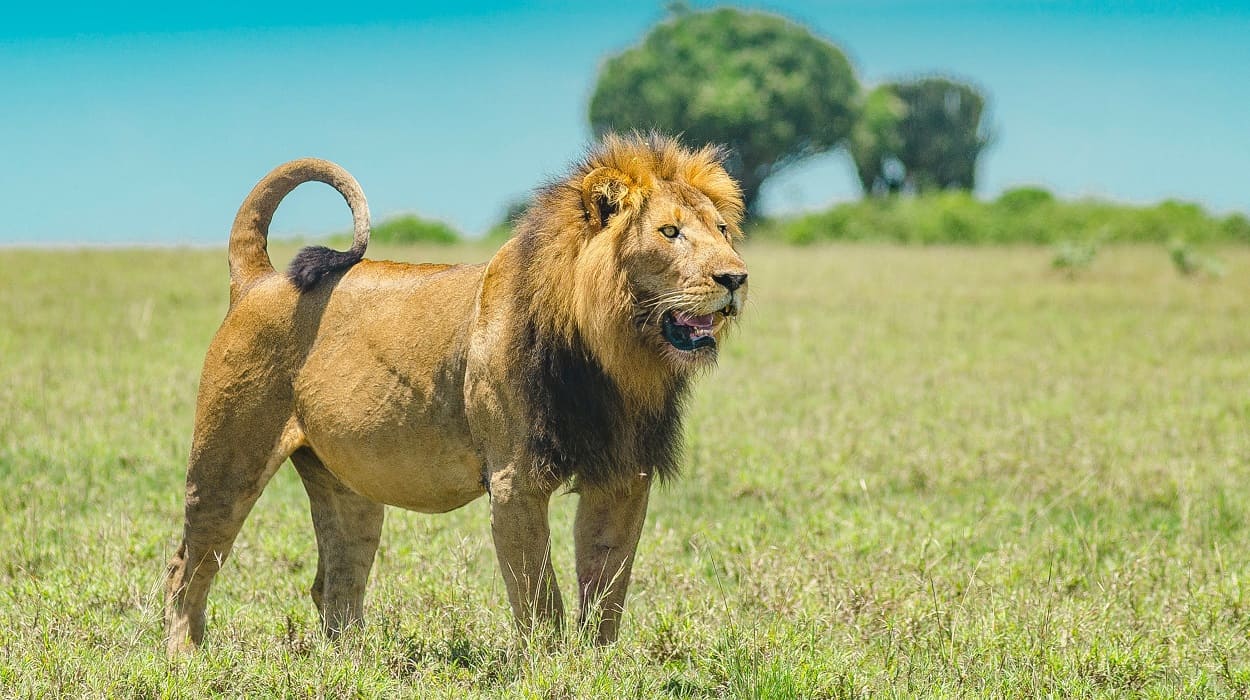
The Maasai Mara supports all members of the Big Five. Lions thrive here in notable numbers, and sightings often include large prides resting or hunting on the plains. Leopards prefer riverine forests, while cheetahs use open grasslands to chase prey at full speed. Elephants and buffalo move in large herds across the reserve.
Beyond the Big Five, the Mara hosts giraffes, zebras, wildebeest, hippos, hyenas, jackals, and a remarkable variety of antelope species. Birdlife remains impressive year-round, with raptors, vultures, and migratory birds adding constant movement to the skies.
The Great Wildebeest Migration
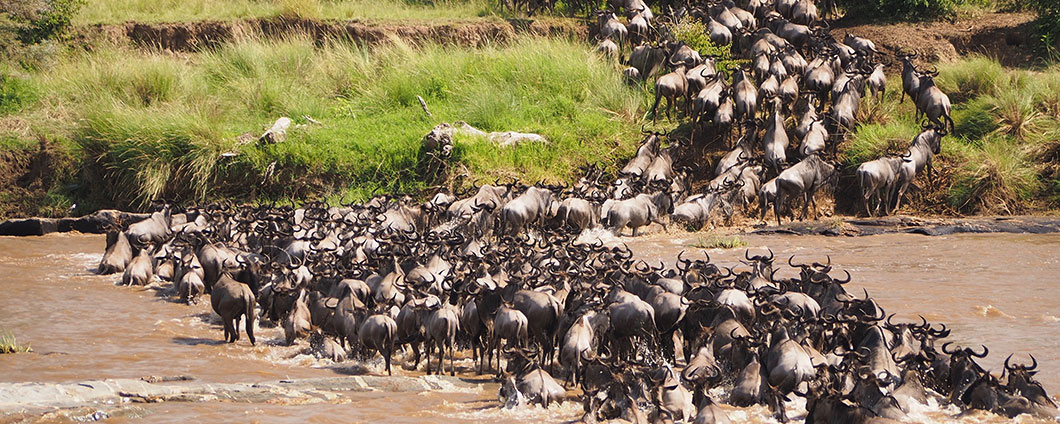
The Great Migration defines the Maasai Mara’s global reputation. Between July and October, millions of wildebeest and zebras cross into the Mara from Tanzania in search of fresh grazing. River crossings along the Mara and Talek rivers create intense wildlife drama, with crocodiles and predators waiting for opportunities.
While the migration draws peak crowds, it is important to note that the Maasai Mara delivers excellent wildlife viewing even outside migration months due to its resident animal populations.
Best Time to Visit the Maasai Mara
The dry season from June to October offers the best overall safari conditions. Wildlife gathers near water sources, vegetation remains low, and roads stay accessible. This period also coincides with the migration.
The green season from November to May transforms the landscape. Short rains refresh the plains, followed by longer rains later in the season. Wildlife remains present, birdlife flourishes, and the Mara feels quieter. Many travelers prefer this season for photography, lower prices, and fewer vehicles.
Safari Activities in the Maasai Mara
Game drives form the core of the Mara experience, with morning and evening drives offering the best wildlife activity. Hot air balloon safaris provide a unique aerial perspective, drifting silently over wildlife before landing for a bush breakfast.
Walking safaris and night drives operate mainly within private conservancies rather than the main reserve. Cultural visits to Maasai communities offer insight into traditional pastoral life when arranged responsibly.
Accommodation Options in the Maasai Mara
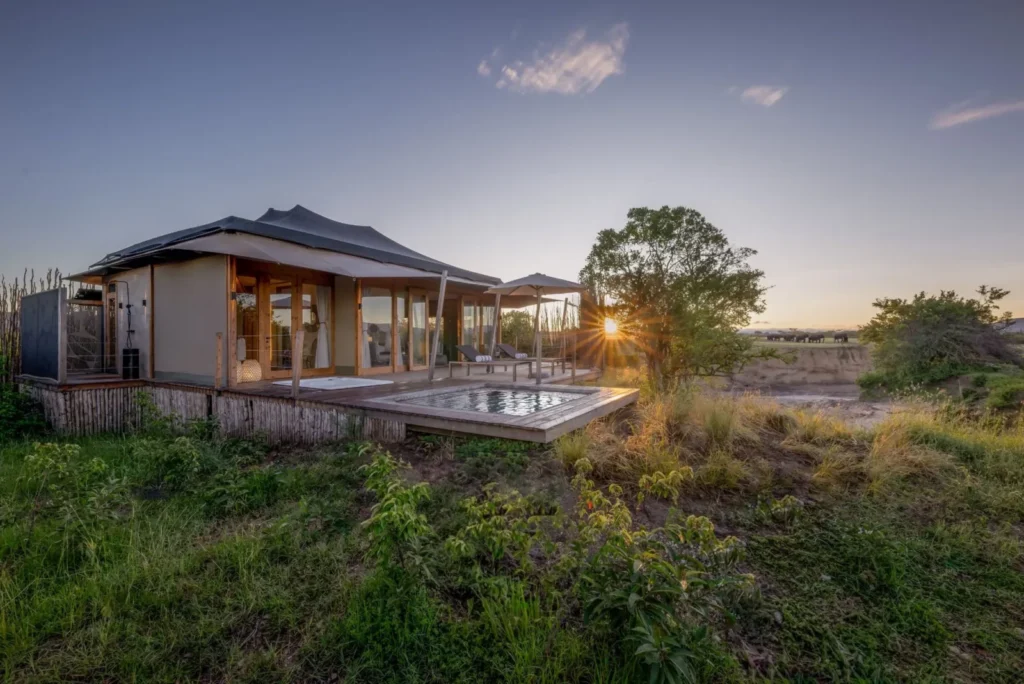
The Maasai Mara offers one of the widest accommodation ranges in Africa, from simple camps to ultra-luxury lodges.
Luxury lodges focus on location, exclusivity, and personalized service. Properties such as Angama Mara, Mara Plains Camp, and Mahali Mzuri deliver panoramic views, refined dining, and expert guiding, often within private conservancies.
Mid-range lodges provide comfort, strong guiding, and good value. Well-established options like Sarova Mara Game Camp, Mara Serena Safari Lodge, and Ashnil Mara Camp balance accessibility with quality safari experiences.
Budget camps allow travelers to experience the Mara without premium costs. Camps such as Mara Explorers Camp, Enchoro Wildlife Camp, and Jambo Mara Safari Lodge focus on clean accommodation and guided game drives while keeping prices reasonable.
Getting to the Maasai Mara
Most travelers reach the Maasai Mara by road from Nairobi or by light aircraft to one of several airstrips inside the reserve. Road travel offers scenic views but takes several hours. Flying reduces travel time significantly and suits travelers with limited schedules or higher comfort expectations.
Once inside the reserve, safari vehicles with experienced guides handle all game drive activities.
Responsible Tourism in the Maasai Mara
Tourism plays a critical role in protecting the Maasai Mara ecosystem. Park fees support conservation efforts and local communities. Many lodges invest in anti-poaching initiatives, education programs, and community partnerships.
Choosing responsible operators helps preserve wildlife corridors and supports the Maasai people whose land borders the reserve.
Final Thoughts on the Maasai Mara Safari Experience
The Maasai Mara delivers one of the most consistent and dramatic safari experiences in Africa. Whether you visit during the migration or the quieter green season, the reserve rewards patience and curiosity with unforgettable wildlife encounters.
For travelers seeking classic African safari moments, the Maasai Mara remains unmatched.