Future of Tourism in Rwanda: Where Sustainability, Innovation, and Purpose Converge
Rwanda’s tourism sector has evolved rapidly over the past two decades, transforming the country into one of Africa’s most respected travel destinations. The future of tourism in Rwanda is not built on volume or mass travel, but on sustainability, innovation, and long-term national vision. As global travel trends shift toward responsible, meaningful experiences, Rwanda is positioning itself as a model for what African tourism can become.
Rwanda’s Vision for High-Value, Low-Impact Tourism
Rwanda has made a deliberate decision to focus on high-value, low-impact tourism. This model prioritizes quality over quantity, ensuring that tourism revenue supports conservation, community development, and national growth without overwhelming natural resources.
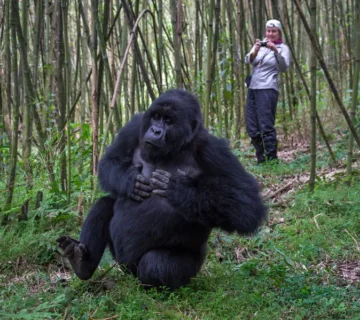
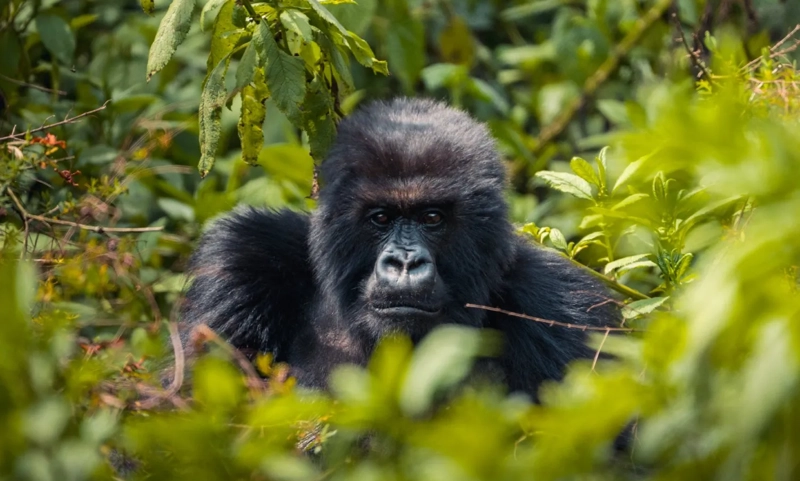
Rather than opening parks to unlimited numbers, Rwanda controls access to sensitive areas such as Volcanoes National Park. This approach protects wildlife, preserves visitor experience quality, and ensures tourism remains sustainable for generations. The future of tourism in Rwanda continues to strengthen this model rather than abandon it.
Conservation as the Foundation of Future Tourism
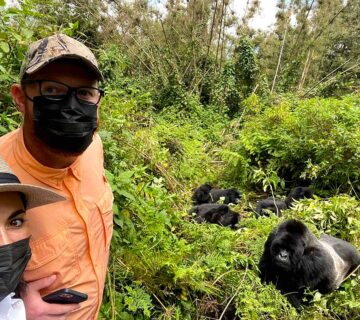
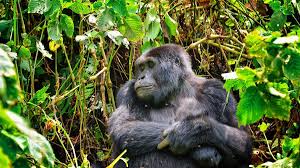
Conservation will remain at the heart of Rwanda’s tourism strategy. Wildlife protection, habitat restoration, and biodiversity management are not side projects but core pillars of the tourism economy. Gorilla trekking, for example, directly funds ranger salaries, veterinary programs, and community initiatives.
Looking ahead, Rwanda plans to deepen conservation tourism by expanding wildlife corridors, strengthening park protection, and investing in scientific research. Akagera National Park’s successful reintroduction of lions and rhinos demonstrates how conservation-led tourism can restore ecosystems while generating income.
Community-Centered Tourism Growth
The future of tourism in Rwanda places communities at the center of development. Tourism growth increasingly focuses on community-owned lodges, cooperatives, cultural enterprises, and local guiding initiatives. This ensures that tourism income reaches households rather than bypassing them.
Community-based tourism creates shared responsibility for conservation and cultural preservation. As communities see tangible benefits from tourism, they become active partners in protecting wildlife, forests, and heritage sites. This partnership model will define Rwanda’s tourism growth in the coming years.
Technology and Smart Tourism Development
Rwanda has embraced technology across many sectors, and tourism is no exception. Digital permitting systems, online visa access, cashless payments, and smart destination management tools are shaping a more efficient travel experience.
Future tourism development will rely more heavily on data-driven planning, visitor management systems, and digital storytelling. These tools help Rwanda control visitor flow, protect sensitive areas, and enhance traveler experience without physical overdevelopment.
Growth of Domestic and Regional Tourism
While international visitors remain important, Rwanda is actively growing domestic and regional tourism. Affordable packages, national park promotions, and regional travel partnerships encourage East African residents to explore Rwanda.
This diversification protects the tourism sector from global shocks and builds a stronger internal travel culture. The future tourism economy in Rwanda will balance international prestige with regional accessibility.
Expansion of Experiential and Educational Tourism
Experiential travel continues to grow globally, and Rwanda is well positioned to lead in this space. Educational safaris, conservation learning, cultural immersion, and volunteer-linked travel are becoming more prominent.
Rwanda’s history, recovery journey, and environmental leadership offer deep educational value. Future tourism products will increasingly combine learning with travel, appealing to families, schools, universities, and purpose-driven travelers.
Sustainable Infrastructure and Eco-Lodge Development
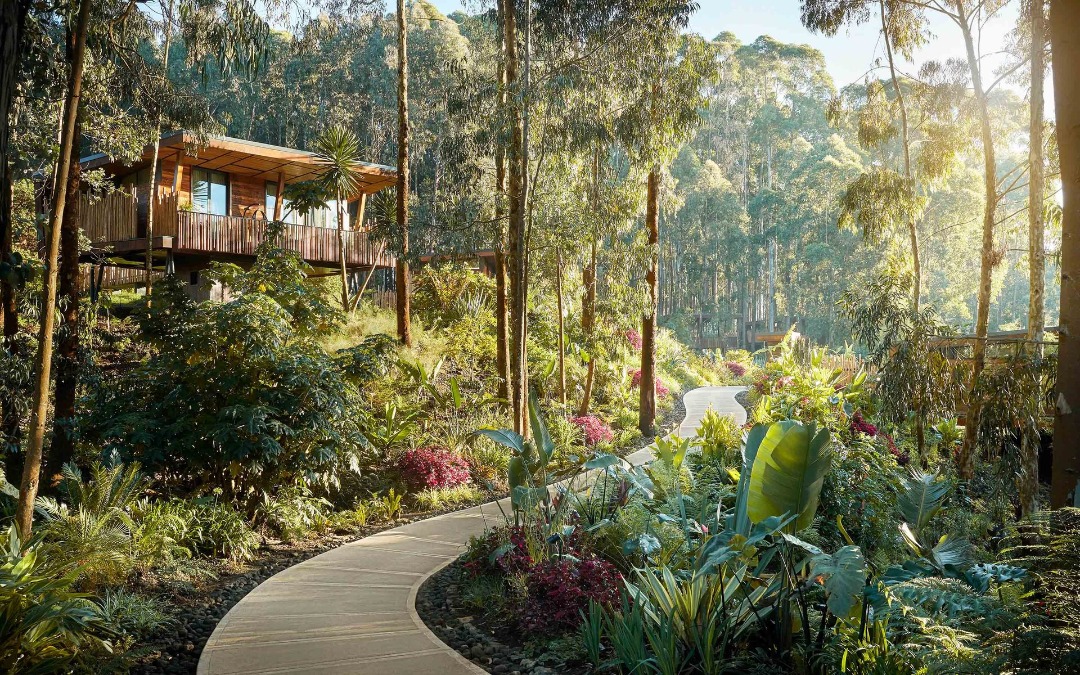
Future tourism infrastructure in Rwanda focuses on sustainability rather than scale. Eco-lodges, solar-powered facilities, water recycling systems, and environmentally sensitive construction methods define new developments.
Luxury tourism in Rwanda will continue to grow, but with strict sustainability requirements. High-end lodges will coexist with conservation goals, ensuring that comfort never comes at the expense of the environment.
Rwanda as a Global Meetings and Events Destination
Rwanda is also positioning itself as a leading destination for conferences, summits, and international events. Kigali’s modern convention facilities and strong security record attract global organizations. Business tourism complements leisure tourism and supports year-round visitor flow.
This diversification strengthens the tourism sector and increases global visibility for Rwanda as a progressive and stable destination.
Climate Change and Future Tourism Adaptation
Climate change presents challenges for tourism worldwide, and Rwanda is addressing them proactively. Conservation strategies now include climate resilience, reforestation, water management, and ecosystem protection.
Tourism planning increasingly considers environmental risk, ensuring parks and communities remain resilient. The future of tourism in Rwanda depends on adapting responsibly rather than expanding recklessly.
Rwanda’s Role as a Model for African Tourism
Rwanda is emerging as a reference point for sustainable tourism in Africa. Its policies demonstrate that conservation, community benefit, and economic growth can coexist. Other destinations increasingly look to Rwanda’s tourism model for guidance.
As global travelers demand more responsible options, Rwanda’s long-term strategy aligns perfectly with future expectations.
Final Thoughts on the Future of Tourism in Rwanda
The future of tourism in Rwanda is intentional, ethical, and forward-looking. It prioritizes sustainability over scale, learning over consumption, and partnership over exploitation. Rwanda is not chasing short-term tourism booms but building a resilient industry that protects its people, wildlife, and landscapes.
For travelers, this means richer experiences, deeper connections, and the knowledge that their journey contributes to something meaningful. For Africa, Rwanda offers a powerful blueprint for tourism that works for everyone.