Best Time for Family Safaris in Rwanda: When to Go and Why It Matters
Choosing the best time for a family safari in Rwanda shapes the entire experience. Weather, school holidays, wildlife visibility, travel comfort, and costs all influence how enjoyable a trip feels for children, parents, and older family members. Rwanda’s year-round appeal makes it flexible for family travel, but certain periods suit families better than others depending on age groups, interests, and travel style.
Understanding Rwanda’s Seasons for Family Travel
Rwanda has a mild equatorial climate moderated by altitude, which makes temperatures comfortable throughout the year. Instead of extreme heat or cold, seasons are defined mainly by rainfall. The dry seasons and rainy seasons each offer advantages for families, and understanding these differences helps families choose the right travel window.
Rwanda experiences two dry seasons, from June to September and from December to February. The rainy seasons occur from March to May and from October to November. None of these periods make Rwanda inaccessible, but each affects travel pace and activity options differently.
Why the Dry Season Is Ideal for Family Safaris
The dry seasons are widely considered the best time for family safaris in Rwanda. From June to September, weather conditions remain stable, with minimal rainfall and cooler temperatures in highland areas. Roads are dry, game drives are smooth, and walking activities feel easier for children and older travelers.
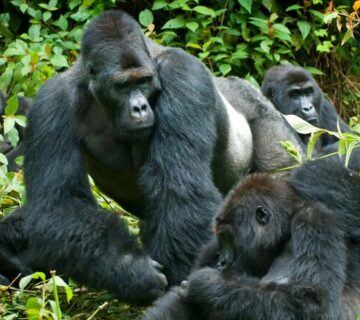
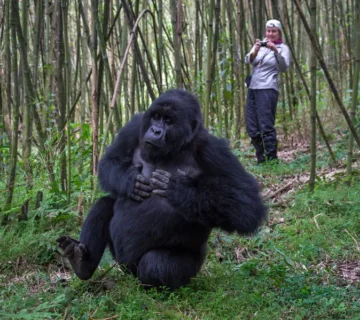
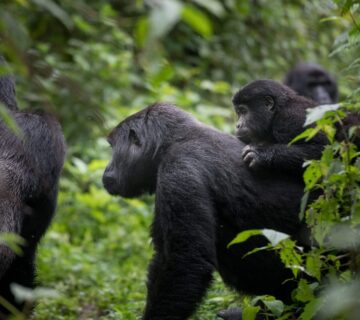
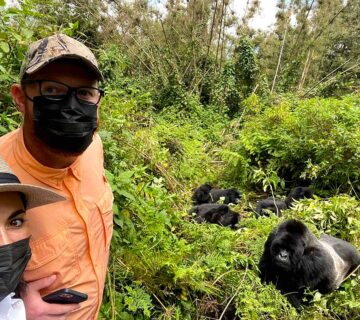
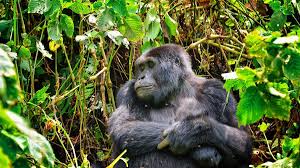
Wildlife viewing in Akagera National Park improves during the dry season because animals gather around water sources, making sightings more predictable. For families with teenagers, this period also offers the best conditions for gorilla trekking, as forest trails are less muddy and physically demanding.
The December to February dry season is another excellent option for families. This period combines good weather with festive travel opportunities and fits well with school holidays in many countries. Families enjoy pleasant safari conditions without the long peak-season crowds seen in mid-year months.
Traveling During the Green Season With Families
The rainy or green seasons bring different advantages that many families overlook. From March to May and October to November, Rwanda’s landscapes turn lush and vibrant. Wildlife remains present, and birdlife becomes especially active. Families who enjoy photography, nature, and quieter parks often appreciate this time of year.
Rain usually falls in short bursts rather than constant downpours, allowing activities to continue with flexibility. Lodges and tour operators adjust schedules to suit weather conditions, making family travel manageable. Costs during the green season are often lower, which appeals to families managing budgets.
Families with younger children, who are not focused on gorilla trekking or intense hiking, often find the green season relaxed and enjoyable due to fewer visitors and softer travel pace.
Best Time for Families With Young Children
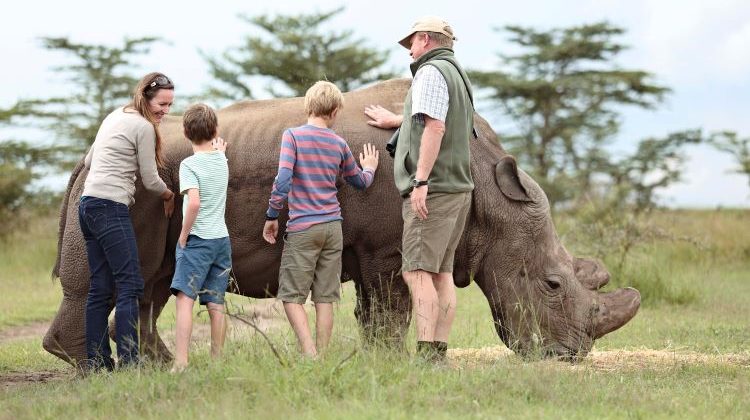
Families traveling with young children benefit most from dry-season travel. Stable weather reduces discomfort, muddy conditions, and delays. Game drives in Akagera National Park during dry months are smoother and more engaging for children, who enjoy spotting animals more easily.
Shorter travel times, dry roads, and predictable schedules help maintain routines, which is especially important for younger travelers.
Best Time for Families With Teenagers
Families with teenagers have more flexibility. Teens often enjoy adventure and physical challenges, making both dry and shoulder seasons suitable. The dry season remains ideal for gorilla trekking, canopy walks, and longer nature activities.
However, teens also appreciate the green season’s dramatic scenery and quieter environment. Fewer crowds allow more meaningful interaction with guides and nature, which resonates well with older children and young adults.
School Holidays and Peak Travel Considerations
School holidays heavily influence family safari timing. June to August and December attract higher demand, especially for family-friendly lodges. Booking early during these periods is essential. Prices rise, and availability becomes limited near major parks.
Families traveling outside peak school holidays benefit from better rates, quieter parks, and more flexibility. Rwanda’s safety and infrastructure allow travel even during less traditional holiday periods.
Best Time for Multi-Generational Family Safaris
Multi-generational families often prioritize comfort, safety, and ease of movement. The dry seasons offer the most predictable conditions for older travelers, with fewer weather-related disruptions and easier walking surfaces. Short drives and reliable road conditions reduce fatigue and stress for grandparents and young children alike.
Budget Considerations for Family Safaris
Travel timing directly affects family safari costs. Dry-season travel comes at premium prices, especially during school holidays. Green-season travel offers better value, with reduced accommodation rates and occasional family-friendly offers.
Families who plan carefully can balance comfort and cost by traveling during shoulder months at the start or end of dry seasons.
Final Thoughts on the Best Time for Family Safaris in Rwanda
Rwanda offers family safari experiences throughout the year, but the best time depends on family structure, priorities, and expectations. Dry seasons deliver the easiest and most predictable travel, while green seasons offer value, beauty, and tranquility. With thoughtful planning, families can enjoy Rwanda safely and comfortably in any season, creating shared memories that suit every age group.