Ranger Protection Efforts: The Frontline of Wildlife Conservation
Rangers stand at the heart of wildlife conservation. They protect animals, ecosystems, and communities, often at great personal risk. Ranger protection efforts are not only about safeguarding wildlife from poaching and illegal activity, but also about ensuring that the men and women who defend nature have the training, equipment, and support they need to survive and succeed. Without rangers, conservation collapses. With strong ranger protection, wildlife and tourism both thrive.
The Role of Rangers in Conservation
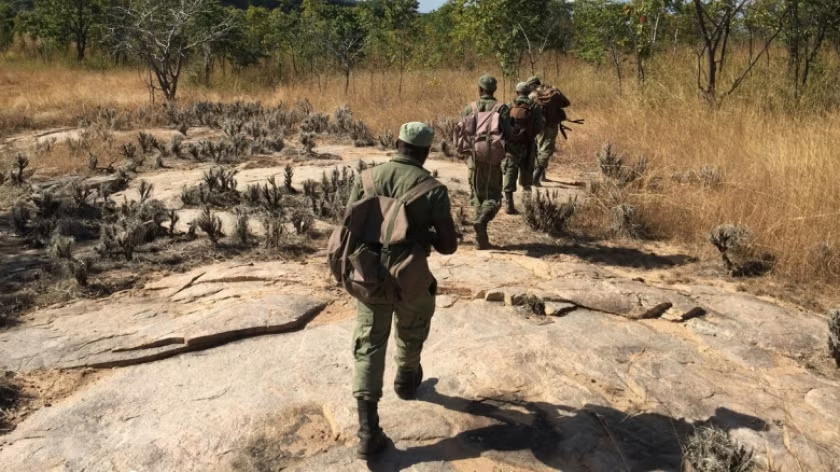
Rangers serve as guardians of protected areas. Their work goes far beyond patrolling boundaries. Rangers monitor wildlife populations, prevent poaching, remove snares, collect ecological data, manage human–wildlife conflict, and guide tourists safely through parks. They act as first responders in emergencies, educators for communities, and ambassadors for conservation.
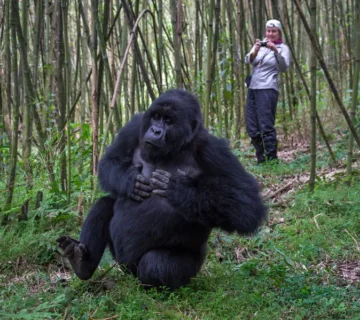
In countries that rely on nature-based tourism, rangers form the backbone of national parks. Every successful safari, gorilla trek, or nature walk depends on their presence and professionalism.
The Risks Rangers Face Every Day
Ranger work is dangerous. Rangers patrol remote areas where armed poachers, illegal loggers, and traffickers operate. Many confront threats ranging from violent encounters to harsh environmental conditions. Long patrols through forests, mountains, and savannahs expose rangers to injury, disease, and exhaustion.
Globally, hundreds of rangers have lost their lives in the line of duty. Ranger protection efforts exist to reduce these risks and to recognize that conservation cannot rely on sacrifice alone. Protecting wildlife must never come at the cost of human lives.
Why Ranger Protection Matters for Wildlife
Wildlife protection depends directly on ranger safety. Rangers who lack proper equipment, communication tools, or medical support cannot operate effectively. When ranger teams are under-resourced, poaching increases and ecosystems suffer.
Strong ranger protection programs improve patrol effectiveness, response times, and intelligence gathering. This leads to healthier wildlife populations, reduced illegal activity, and stronger conservation outcomes. Protecting rangers is therefore a direct investment in protecting wildlife.
Training as a Core Protection Strategy
One of the most important ranger protection efforts is professional training. Modern ranger training includes tactical patrol skills, first aid, navigation, wildlife monitoring, and conflict de-escalation. Rangers also receive training in human rights, community engagement, and tourism safety.
Well-trained rangers make better decisions under pressure. They protect themselves, local communities, and visitors more effectively. Training transforms ranger work from reactive enforcement into proactive conservation management.
Equipment and Technology That Save Lives
Proper equipment plays a critical role in ranger safety. Protective clothing, boots, radios, GPS devices, and vehicles allow rangers to patrol safely and efficiently. Communication technology ensures that teams remain connected during operations and can call for support when needed.
In many parks, modern ranger protection includes drones, camera traps, and digital tracking systems. These tools reduce direct confrontation with criminals while improving monitoring accuracy. Technology does not replace rangers, but it makes their work safer and more effective.
Mental Health and Ranger Wellbeing
Ranger protection efforts increasingly recognize the psychological toll of conservation work. Rangers witness violence, environmental destruction, and loss of wildlife. Long separations from family and exposure to trauma affect mental health.
Supporting ranger wellbeing through counseling, peer support, fair working conditions, and time off strengthens morale and performance. Healthy rangers are more resilient, more committed, and better equipped to protect nature over the long term.
Community Support and Ranger Safety
Ranger protection improves when local communities support conservation. Community-based conservation reduces hostility, improves intelligence sharing, and lowers the risk of conflict. Rangers who work in partnership with communities face fewer threats and build trust rather than fear.
When communities benefit from tourism and conservation, they often become allies in protecting rangers and reporting illegal activity. Ranger protection therefore extends beyond uniforms and patrols into social relationships and shared responsibility.
How Tourism Supports Ranger Protection
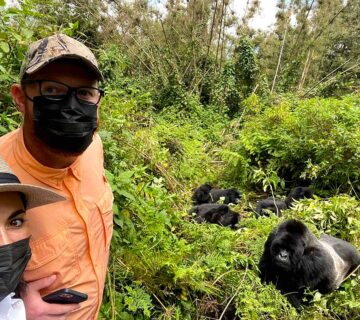
Responsible tourism plays a major role in ranger protection efforts. Park fees, permits, and tourism revenue fund ranger salaries, training, equipment, and medical care. Activities such as gorilla trekking directly finance ranger operations and conservation programs.
Travelers who choose conservation-focused destinations contribute directly to ranger safety. Every ethical safari or park visit helps sustain the people who protect wildlife behind the scenes.
Rwanda as a Model for Ranger Protection
Rwanda has become a regional leader in ranger protection and professional conservation management. Rangers receive structured training, modern equipment, and strong institutional support. Tourism revenue is reinvested into conservation and community programs, reducing pressure on wildlife and ranger teams alike.
This approach has helped stabilize wildlife populations and create one of Africa’s safest and most effective park systems. Rwanda demonstrates that protecting rangers and protecting nature must go hand in hand.
The Global Importance of Ranger Protection Efforts
Ranger protection is not only a local issue. It is a global conservation priority. Biodiversity loss, climate change, and illegal wildlife trade affect the entire planet. Rangers stand on the front line of these challenges.
International partnerships, funding mechanisms, and public awareness campaigns increasingly focus on ranger safety as a conservation necessity. Supporting ranger protection means supporting global environmental stability.
Final Thoughts on Ranger Protection Efforts
Rangers are the unsung heroes of conservation. Their courage, discipline, and commitment protect wildlife that belongs to all humanity. Ranger protection efforts ensure that conservation does not depend on sacrifice alone, but on professionalism, dignity, and safety.
When rangers are protected, ecosystems survive. When ecosystems survive, tourism, communities, and future generations benefit. Supporting ranger protection is one of the most meaningful ways to safeguard the natural world.