Packing Checklist for Rwanda: What to Bring for a Smooth and Comfortable Trip
Packing correctly for Rwanda makes a real difference to how comfortable, safe, and enjoyable your journey becomes. Rwanda’s climate, terrain, and activities vary from city exploration in Kigali to rainforest trekking and savannah safaris. This guide explains exactly what you should pack and why, without overwhelming you, so you arrive prepared for every experience.
Understanding Rwanda’s Climate and Travel Conditions
Rwanda has a mild tropical climate with cooler temperatures in highland areas and warmer conditions in low-lying regions. Days remain comfortable, while evenings can feel cool, especially near Volcanoes National Park and Nyungwe Forest. Rain showers can occur at any time, even during dry seasons. Packing should focus on versatility, layering, and protection from rain and insects.
Clothing Essentials for Rwanda Travel
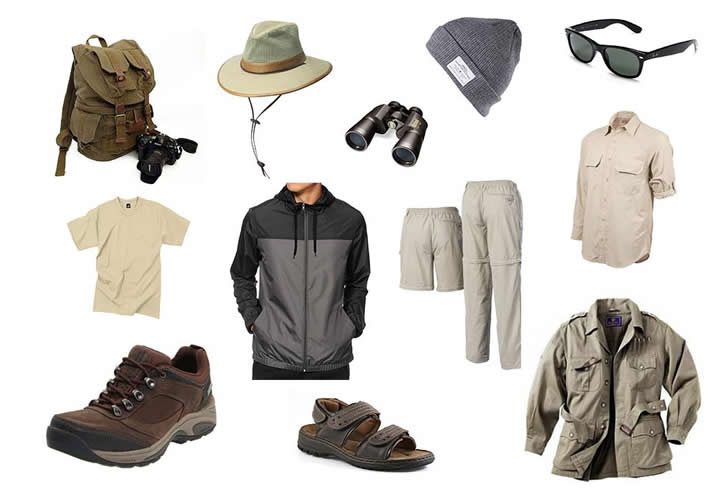
Lightweight, breathable clothing works best for Rwanda’s daytime conditions. Neutral-colored shirts and trousers help during wildlife activities and blend naturally into the environment. Long-sleeved tops and long trousers protect against sun exposure, insects, and vegetation during forest walks. A warm fleece or light jacket is essential for early mornings and evenings in higher-altitude areas. A compact rain jacket or poncho is necessary, as rain can fall unexpectedly.
Footwear for City, Safari, and Trekking Activities
Comfortable walking shoes suit city tours and cultural visits in Kigali. For safaris and gorilla trekking, sturdy hiking boots with good ankle support are essential. Trails in rainforest areas can be muddy and slippery, and proper footwear improves safety and comfort. Light sandals or casual shoes are useful for relaxing at lodges after activity-filled days.
Gorilla Trekking and Forest Activity Gear
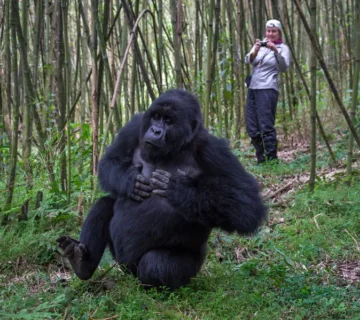
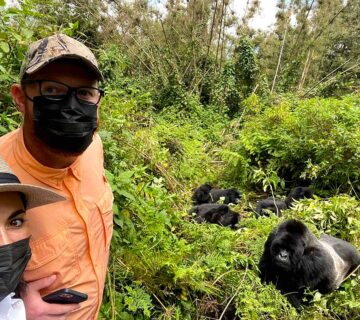
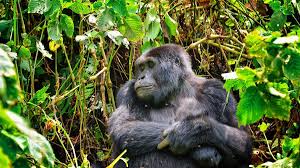
Gorilla trekking requires practical gear designed for rugged terrain. Gardening-style gloves or trekking gloves help protect hands when gripping vegetation on steep slopes. Thick socks reduce discomfort from insects and rough ground. A small, lightweight daypack allows you to carry water, a camera, and personal items. Many travelers also pack gaiters for added protection against mud and forest undergrowth.
Health, Toiletries, and Personal Care Items
Personal toiletries should include sunscreen, lip balm, and insect repellent with proven effectiveness against mosquitoes. Travelers should carry prescription medications in original packaging along with copies of prescriptions. A basic travel medical kit with pain relief, anti-diarrheal medication, and motion sickness tablets is useful, especially when traveling to remote areas. Hand sanitizer and wet wipes add convenience during long drives and outdoor activities.
Travel Documents and Money Essentials
Your passport should have at least six months validity beyond your travel dates. Printed copies of visas, travel insurance, safari bookings, and accommodation confirmations help in case of connectivity issues. Travelers should carry some US dollars for tourism services and local currency for small purchases. Credit cards work well in major hotels, but cash remains important outside urban centers.
Electronics and Photography Equipment
Rwanda offers exceptional photography opportunities, particularly during gorilla trekking and wildlife safaris. A good camera, extra memory cards, and spare batteries are essential. Charging facilities are widely available, but a power bank provides backup during long days in parks. Rwanda uses the same plug type as many European countries, so a universal travel adapter is recommended.
Luggage Choice for Rwanda Safaris
Soft-sided duffel bags are the best luggage option for Rwanda safaris. They fit easily into safari vehicles and handle rough roads better than hard suitcases. Keeping luggage lightweight allows easier transfers and more flexibility, especially when combining multiple destinations.
What Not to Pack for Rwanda
Heavy winter clothing is unnecessary due to Rwanda’s moderate climate. Excessive valuables increase risk and inconvenience. Plastic bags are banned in Rwanda, and authorities enforce this rule strictly at entry points. Travelers should avoid packing prohibited items to prevent delays at customs.
Packing for Families and Older Travelers
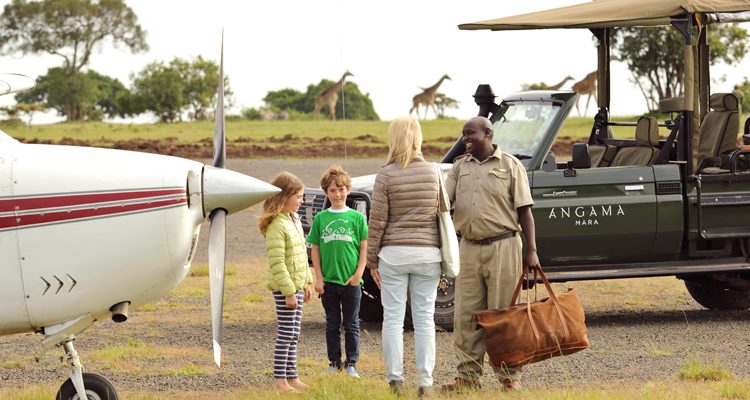
Families traveling with children should pack familiar snacks, comfort items, and any required medications. Older travelers may benefit from packing walking aids, compression socks for long drives, and extra layers for cooler evenings. Rwanda’s infrastructure supports travelers of all ages, but preparation adds comfort.
Final Packing Advice for Rwanda Travelers
Packing smartly for Rwanda means focusing on comfort, protection, and practicality rather than excess. Rwanda rewards prepared travelers with seamless experiences, whether trekking through misty forests, exploring vibrant cities, or relaxing at safari lodges. With the right items in your bag, you enjoy the journey without unnecessary stress.