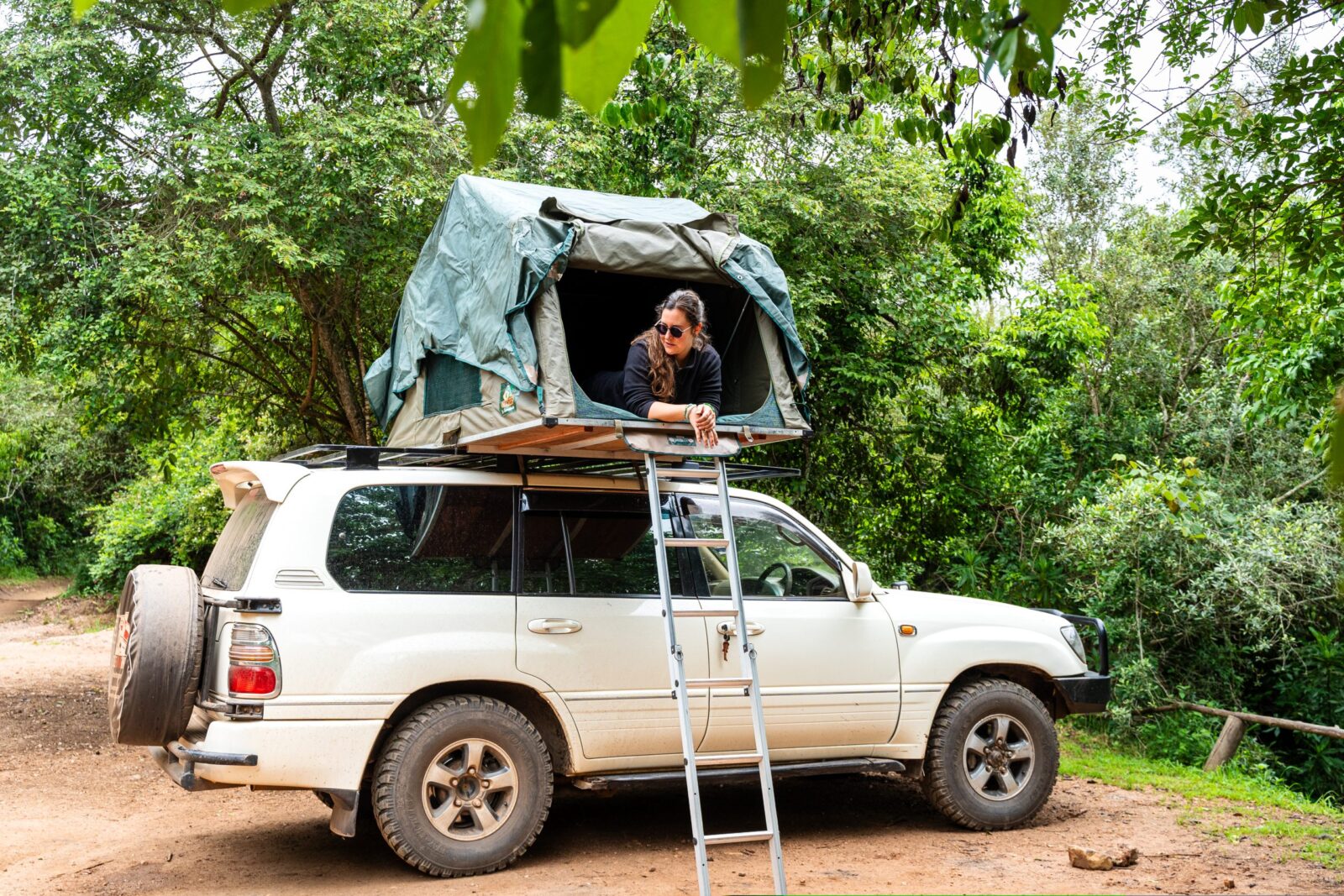
Self-Drive Travel in Rwanda: A Complete Guide for Independent Travelers
Self-drive travel in Rwanda has grown in popularity due to the country’s excellent roads, strong safety record, and compact size. For travelers who value independence, flexibility, and the freedom to explore at their own pace, Rwanda offers one of the most rewarding self-drive experiences in East Africa. This guide explains how self-drive travel works in Rwanda, what to expect on the road, and how to prepare properly.

Is Rwanda Suitable for Self-Drive Travel?
Rwanda is one of the best self-drive destinations in Africa. The country maintains well-paved highways, clear road signage, and disciplined traffic enforcement. Distances between major destinations are short, which reduces driving fatigue and simplifies route planning. Travelers who follow road rules and plan carefully find self-driving in Rwanda smooth and stress-free.
Road Conditions and Driving Environment
Rwanda’s main roads are in excellent condition and connect Kigali to national parks and regional towns efficiently. Routes to Volcanoes National Park, Akagera National Park, and Nyungwe Forest are fully paved and well maintained. In rural areas, secondary roads may be narrow or unpaved, especially during the rainy season, but they remain passable with careful driving. The hilly landscape requires attentive driving, particularly on winding mountain roads.
What Type of Vehicle Is Best for Self-Drive in Rwanda?
A 4×4 vehicle is strongly recommended for self-drive travel in Rwanda. While many main roads suit standard vehicles, accessing national parks, rural lodges, and scenic backroads often requires higher clearance and better traction. A reliable 4×4 offers comfort, safety, and confidence, especially during rainy periods or when exploring off-the-beaten-path areas.
Licensing and Legal Requirements
Travelers can drive in Rwanda using an international driving permit together with their national license. Some short-term visitors use their home license alone, but carrying an international permit avoids misunderstandings at checkpoints or during car rental. Drivers must carry identification, vehicle documents, and insurance papers at all times.
Renting a Car in Rwanda
Car rental services operate mainly from Kigali and offer both self-drive and chauffeur-driven options. Rental fleets include standard SUVs and fully equipped safari vehicles. Most rentals come with insurance, though coverage details vary. Travelers should confirm mileage limits, fuel policy, and damage responsibility before signing agreements. Renting from reputable providers ensures reliable vehicles and roadside support.
Navigation and Route Planning
Navigation in Rwanda is straightforward. Road signs are clear, and major routes are easy to follow. Mobile navigation apps work well in urban areas and along main highways. In remote regions, signal strength may reduce, so downloading offline maps is advisable. Planning daily driving distances realistically helps avoid night driving and fatigue.
Fuel Availability and Planning
Fuel stations are widely available in Kigali and along major highways. Fuel quality meets international standards, and prices remain stable. When traveling to remote areas or national parks, drivers should refuel in advance, as stations become less frequent outside towns. Carrying extra fuel is rarely necessary but planning stops is essential.
Driving in National Parks on a Self-Drive Safari
Self-drive is allowed in some safari areas, particularly Akagera National Park. Drivers must follow park rules strictly, including speed limits and designated routes. Off-road driving is prohibited, and wildlife has priority at all times. Visitors must remain alert for animals crossing roads and follow ranger instructions when required.
Safety and Traffic Enforcement
Rwanda enforces traffic laws strictly and consistently. Speed limits are monitored through checkpoints and speed cameras. Seatbelt use is mandatory, and mobile phone use while driving is prohibited. Police checkpoints are routine and professional. Calm and respectful interaction ensures quick passage. Rwanda’s strong enforcement contributes to its reputation as a safe driving destination.
Night Driving Considerations
While major roads remain safe, night driving is not recommended for tourists. Limited lighting, pedestrians, cyclists, and livestock increase risk outside cities. Travelers should plan routes to arrive at destinations before sunset. This approach improves safety and allows enjoyment of Rwanda’s scenic landscapes during daylight.
Self-Drive Versus Hiring a Driver
Self-drive offers freedom and privacy, while hiring a driver-guide adds local knowledge and reduces stress. Travelers unfamiliar with African driving conditions may prefer a driver for park visits and longer routes. Confident drivers who enjoy independence often find self-drive highly rewarding in Rwanda. Choosing the right option depends on experience, itinerary, and comfort level.
Costs of Self-Drive Travel in Rwanda
Self-drive travel can reduce costs compared to fully guided safaris, but savings depend on vehicle choice and itinerary. Rental fees, fuel, insurance, park fees, and accommodation still contribute to overall expenses. Travelers should budget realistically and remember that convenience and safety often justify additional support when needed.
Who Should Consider Self-Drive Travel in Rwanda?
Self-drive travel suits experienced drivers, adventurous couples, photographers, and repeat Africa travelers. Families and first-time safari visitors may prefer partial self-drive combined with guided activities. Rwanda’s flexibility allows travelers to mix self-drive days with professionally guided experiences.
Final Thoughts on Self-Drive Travel in Rwanda
Self-drive travel in Rwanda offers freedom, scenic beauty, and reliable infrastructure. With proper preparation, a suitable vehicle, and respect for local rules, travelers enjoy a smooth and enriching journey. Rwanda rewards independent explorers with safe roads, welcoming communities, and unforgettable landscapes.