Food Safety in Rwanda: What Travelers Need to Know
Food safety is a common concern for travelers visiting Africa for the first time. In Rwanda, food hygiene standards are generally high, especially in cities, hotels, and safari lodges. The country’s strong emphasis on cleanliness, regulation, and public health makes eating in Rwanda safer than many visitors expect. With basic awareness and sensible choices, travelers enjoy Rwanda’s food scene comfortably and confidently.
Is Food in Rwanda Safe for Tourists?
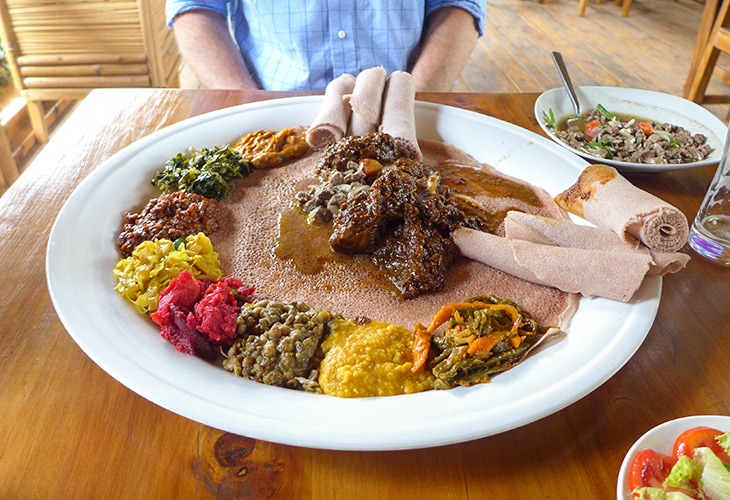
Food in Rwanda is generally safe for tourists, particularly when eaten in hotels, lodges, reputable restaurants, and cafés. Kigali stands out for its clean dining environments and well-regulated food establishments. Restaurants serving international and local cuisine follow hygiene standards that meet global expectations. Cases of food-related illness among tourists are uncommon when travelers eat in trusted places.
How Safe Is Street Food in Rwanda?
Street food in Rwanda is safer than in many African countries, but travelers should still exercise judgment. Busy food stalls with high customer turnover tend to maintain fresher ingredients. Popular items such as grilled meat skewers, fried snacks, and local pastries are usually cooked thoroughly. Travelers with sensitive stomachs may prefer to limit street food or try it gradually rather than all at once.
Fresh fruits and vegetables are widely available in Rwanda and are generally safe when prepared properly. Travelers should eat fruits that can be peeled, such as bananas, mangoes, and avocados. Salads and raw vegetables are best consumed in reputable restaurants where washing practices are reliable. Washing fruits with clean water or peeling them reduces risk significantly.
Is Meat Safe to Eat in Rwanda?
Meat in Rwanda is safe when cooked thoroughly. Restaurants and lodges source meat from regulated suppliers and prepare it under hygienic conditions. Dishes made with beef, chicken, goat, and fish are common and well prepared. Travelers should avoid undercooked meat, especially when eating outside established restaurants.
Can I Drink Tap Water in Rwanda?
Tap water in Rwanda is treated, but it is not recommended for direct drinking by visitors. Travelers should drink bottled or filtered water at all times. Bottled water is widely available in hotels, lodges, supermarkets, and restaurants. Many safari lodges provide filtered water in refillable bottles, which also supports environmental sustainability.
Is Ice Safe in Drinks?
Ice served in hotels, lodges, and reputable restaurants is generally made from treated or filtered water and is safe to consume. In smaller local establishments, travelers may prefer to avoid ice unless they are confident about water quality. When in doubt, ordering drinks without ice is a simple precaution.
How Hygienic Are Restaurants and Lodges?
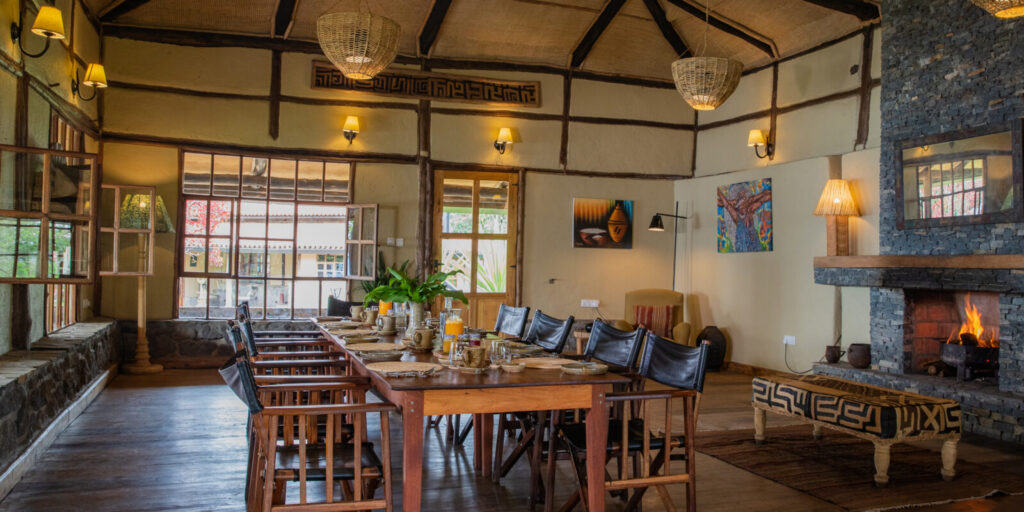
Restaurants and lodges in Rwanda maintain high hygiene standards. Safari lodges in particular prioritize food safety, as they cater to international guests. Kitchens follow strict cleanliness procedures, and food handling is well supervised. Dining environments are clean, organized, and professionally managed, especially in tourist-focused establishments.
Are There Food Safety Differences Between Cities and Rural Areas?
Food safety standards are highest in Kigali and major towns, where regulation and inspection are more consistent. In rural areas, food can still be safe but varies more by location. Travelers staying at lodges or guesthouses in rural regions usually eat safely, as these establishments understand international visitor expectations. Caution is advisable when eating from informal roadside vendors in remote areas.
What About Food Safety During Safaris?
Food safety during safaris in Rwanda is excellent. Lodges prepare meals using clean water, fresh ingredients, and professional kitchen standards. Packed lunches provided for activities like gorilla trekking are prepared hygienically and sealed properly. Safari travelers rarely experience food-related issues when eating at lodges.
Should I Bring Medication for Stomach Issues?
Carrying basic medication for stomach discomfort is recommended for any international trip. Even safe food can affect travelers unfamiliar with local cuisine. Anti-diarrheal medication, rehydration salts, and probiotics help manage minor issues quickly. Serious illness is rare, but preparation adds peace of mind.
How Does Rwanda’s Cleanliness Culture Affect Food Safety?
Rwanda’s strong national cleanliness culture plays a major role in food safety. Monthly community cleaning initiatives and strict sanitation policies contribute to cleaner cities and food environments. This culture of hygiene benefits both locals and visitors and sets Rwanda apart regionally.
Is Food Safe for Children and Older Travelers?
Food in Rwanda is safe for children and older travelers when eaten in reputable establishments. Families should choose familiar foods initially and avoid overly spicy dishes if children are not accustomed. Lodges and hotels accommodate dietary needs and food preferences upon request.
Final Thoughts on Food Safety in Rwanda
Food safety in Rwanda is reliable, well managed, and traveler-friendly. By eating in reputable establishments, drinking bottled water, and using common sense, travelers enjoy Rwanda’s cuisine without concern. Rwanda’s cleanliness standards and professional hospitality make dining one of the least risky aspects of travel in the country.