Malaria Prevention in Rwanda: What Travelers Need to Know
Malaria prevention is an important part of preparing for travel to Rwanda. While Rwanda has made major progress in reducing malaria cases nationwide, the disease still exists in some regions. Understanding where the risk is highest and how to protect yourself allows you to travel safely and confidently throughout the country.
Is Malaria a Risk in Rwanda?
Malaria exists in Rwanda, but the risk is lower than in many neighboring countries. The highest risk occurs in low-lying and warmer areas, particularly in parts of eastern and southern Rwanda. High-altitude regions such as Volcanoes National Park have a much lower risk due to cooler temperatures. Urban centers like Kigali also report fewer cases because of effective public health measures.
Which Areas of Rwanda Have Higher Malaria Risk?
Malaria risk increases in areas with lower elevation and warmer climates. Regions around Akagera National Park and parts of the eastern savannah experience higher transmission levels. Rural communities near wetlands and lakes also carry increased risk. Highland areas, including gorilla trekking zones, remain low-risk but not completely malaria-free.
Should Travelers Take Antimalarial Medication?
Many travelers choose to take antimalarial medication as a precaution. Doctors commonly prescribe antimalarials for visitors spending time in low-risk or moderate-risk areas. Travelers should consult a healthcare professional before departure to select the most appropriate medication based on health history and travel itinerary. Medication provides additional protection but should not replace mosquito avoidance measures.
How Effective Are Rwanda’s Malaria Control Measures?
Rwanda has one of the strongest malaria control programs in East Africa. The government conducts widespread mosquito control, indoor spraying, and public awareness campaigns. Distribution of treated mosquito nets has significantly reduced infection rates. These efforts contribute to Rwanda’s lower malaria risk compared to many safari destinations.
How Can I Avoid Mosquito Bites in Rwanda?
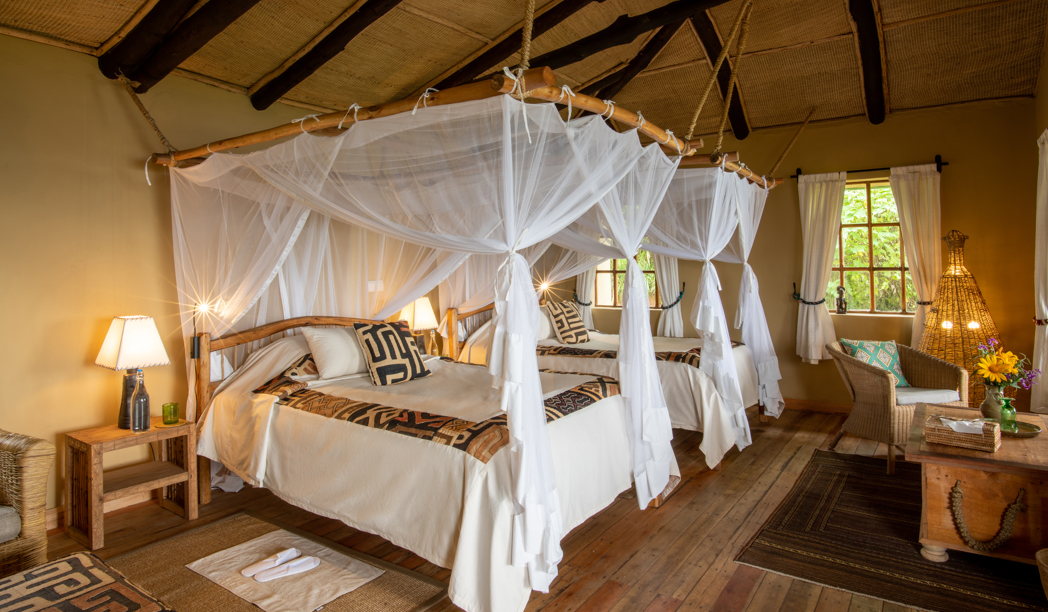
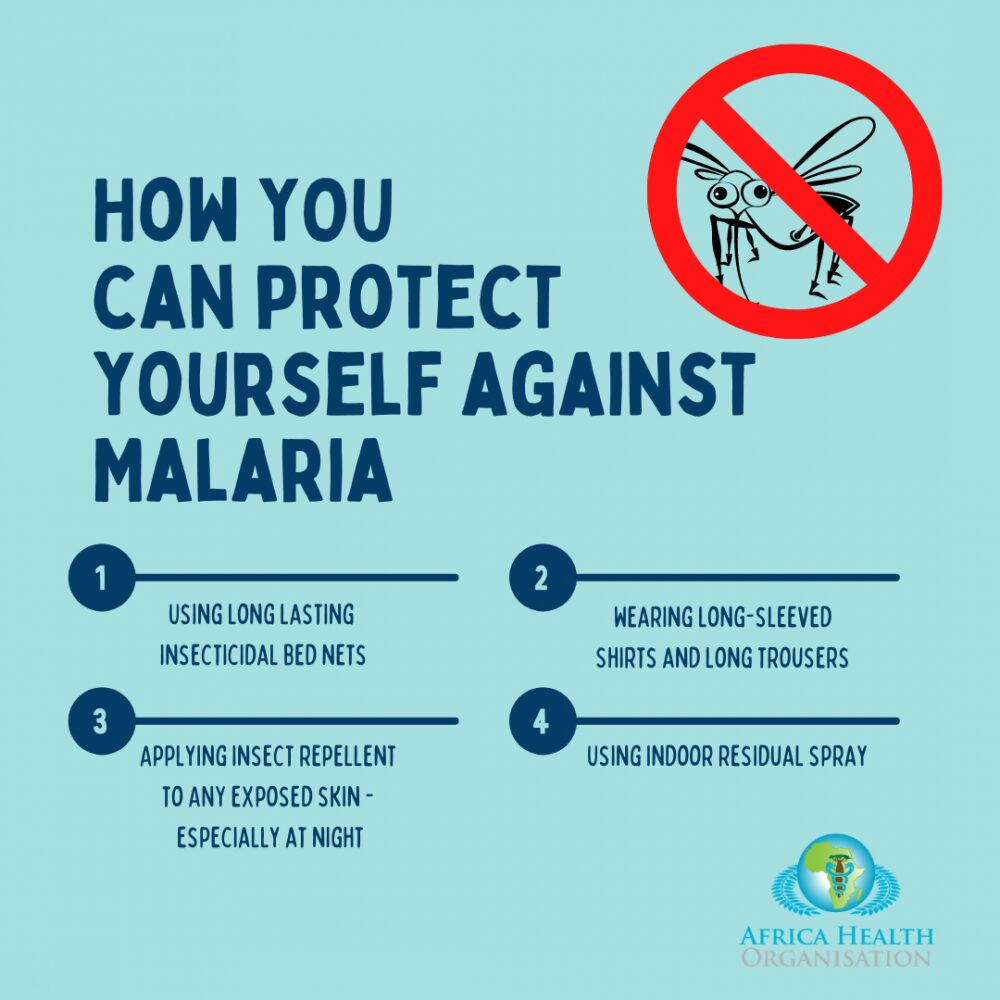
Preventing mosquito bites remains the most effective way to avoid malaria. Travelers should apply insect repellent containing DEET or similar active ingredients, especially in the evening and at night. Wearing long-sleeved clothing and long trousers reduces exposed skin. Lodges and hotels commonly provide mosquito nets and screened rooms for added protection.
Is Malaria a Concern During Gorilla Trekking?
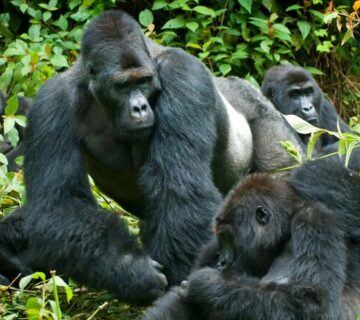
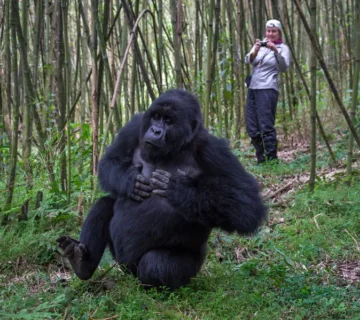
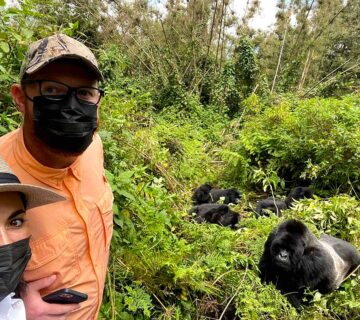
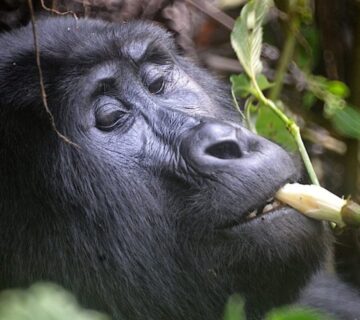
Malaria risk during gorilla trekking is very low. Trekking takes place in high-altitude forest areas where mosquitoes are less active. Most lodges near Volcanoes National Park maintain strong mosquito control practices. Even so, travelers should still use repellent in the evenings and follow standard precautions.
What Time of Year Is Malaria Risk Highest?
Malaria transmission increases during and after the rainy seasons, when mosquito breeding rises. The main rainy periods occur from March to May and October to November. Travelers visiting during these months should be especially vigilant with prevention measures. Risk remains present year-round, but proper precautions significantly reduce exposure.
Are Children and Older Travelers at Higher Risk?
Children, older travelers, and people with weakened immune systems face higher risks from malaria. These travelers should follow prevention measures carefully and consult healthcare professionals before travel. Ensuring access to medical care and insurance adds an extra layer of protection.
What Symptoms Should I Watch For?
Malaria symptoms may include fever, chills, headache, muscle aches, and fatigue. Symptoms can appear days or weeks after exposure. Travelers who develop fever during or after their trip should seek medical attention immediately and inform doctors of recent travel to Rwanda. Early diagnosis allows effective treatment.
What Medical Care Is Available for Malaria in Rwanda?
Medical facilities in Kigali and major towns can diagnose and treat malaria effectively. Pharmacies and clinics stock antimalarial treatments, and healthcare providers are experienced in managing cases. In remote areas, access may be limited, which is why prevention remains essential. Travel insurance that covers medical care and evacuation is strongly recommended.
Do I Need to Carry a Malaria Test or Treatment Kit?
Some travelers choose to carry a standby malaria test or treatment kit, especially when traveling to remote areas. This option should only be used under medical guidance. Travelers should never self-diagnose without consulting a healthcare professional when possible.
Final Advice on Malaria Prevention in Rwanda
Malaria should not discourage travel to Rwanda. The country’s strong health systems, combined with simple prevention measures, make the risk manageable. Using insect repellent, wearing protective clothing, sleeping under mosquito nets, and following medical advice allows travelers to enjoy Rwanda safely and comfortably.