Weather FAQs for Rwanda
Rwanda’s weather often raises questions for travelers planning safaris, gorilla trekking, or cultural trips. Because the country sits near the equator yet at high altitude, its climate behaves differently from what many visitors expect. Rwanda does not experience extreme heat, harsh winters, or unpredictable conditions. Instead, weather remains generally mild, green, and manageable throughout the year.
This Weather FAQ guide answers the most common questions travelers ask, helping you plan with confidence rather than uncertainty.
What Type of Climate Does Rwanda Have?
Rwanda has a temperate tropical highland climate. While the country lies close to the equator, its elevation moderates temperatures significantly. Most regions feel pleasantly warm during the day and cool in the evenings.
The climate supports year-round travel, wildlife viewing, and outdoor activities without seasonal shutdowns.
Does Rwanda Have Four Seasons?
Rwanda does not follow the traditional four-season model. Instead, it has two rainy seasons and two drier periods.
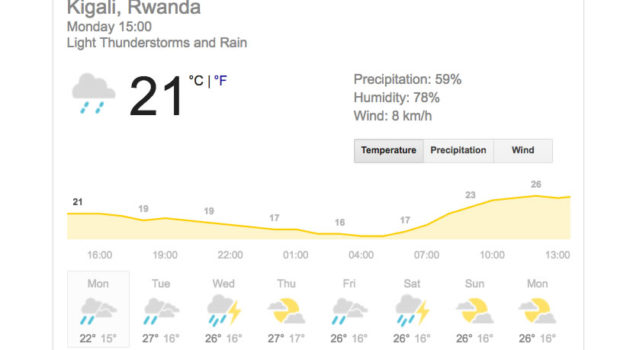
The long rainy season usually runs from March to May. The short rainy season typically occurs from October to November. The drier periods fall between June and September and again from December to February.
Rain rarely falls all day. Most showers arrive in short bursts, often in the afternoon or at night.
What Are Average Temperatures in Rwanda?
Temperatures in Rwanda remain comfortable year-round. Daytime temperatures generally range between 20°C and 27°C, depending on altitude. Evenings and early mornings can feel cool, especially in highland areas.
Kigali and low-lying regions feel slightly warmer, while forested and mountainous areas remain cooler.
Extreme heat is very rare in Rwanda.
Is Rwanda Very Humid?
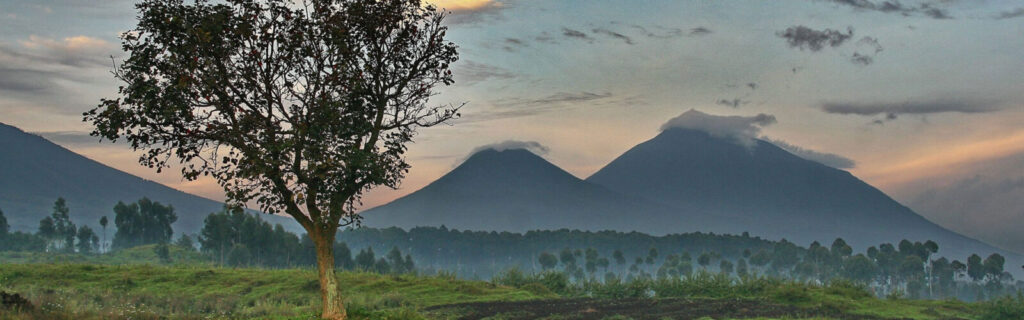
Humidity varies by region. Rainforest areas such as Nyungwe Forest National Park feel more humid due to dense vegetation and frequent rainfall. Highlands around Volcanoes National Park feel cool and fresh rather than sticky.
Savannah regions like Akagera National Park feel warmer and drier, especially during dry seasons.
Overall humidity remains manageable and rarely uncomfortable.
Does It Rain Every Day During the Rainy Season?
No. This is one of the most common misconceptions. Rainy season does not mean constant rain. Most days include sunshine, with rain falling in short, predictable periods.
Many mornings remain clear, making them ideal for activities such as gorilla trekking or game drives. Rain enhances landscapes rather than limiting access.
How Does Weather Affect Gorilla Trekking?
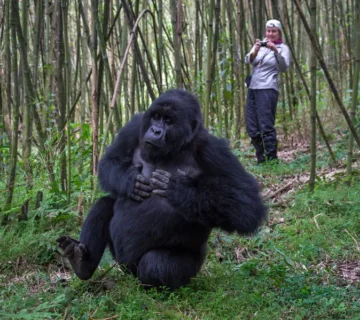
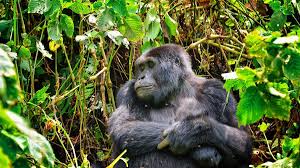
Weather has minimal impact on gorilla trekking. Gorillas live in the forest year-round and remain accessible in all seasons.
During rainy periods, gorillas often stay at lower elevations, which can shorten trekking time. Trails may feel muddy, but guides adjust pace and routes accordingly.
Trekking continues daily regardless of season, making Rwanda one of the most reliable gorilla trekking destinations.
How Does Weather Affect Wildlife Safaris?
In Akagera National Park, weather influences scenery more than wildlife availability. During dry periods, animals concentrate around water sources, making sightings easier. During rainy months, wildlife spreads across greener landscapes, creating more natural behavior patterns.
Both seasons offer rewarding safari experiences, just with different visual character.
Is Rwanda Cold at Night?
Evenings and mornings can feel cool, especially in highland regions and forested parks. Temperatures may drop to around 12°C to 15°C in some areas.
Light jackets, sweaters, or fleeces remain useful year-round, particularly near Volcanoes National Park and Nyungwe Forest.
What Is the Best Weather for Visiting Rwanda?
There is no bad time to visit Rwanda weather-wise. Dry seasons from June to September and December to February offer clearer skies and easier trekking conditions. Rainy seasons deliver lush scenery, fewer crowds, and quieter travel experiences.
The best weather depends more on travel style than climate preference.
How Does Weather Vary Across Rwanda?
Weather varies by altitude and geography rather than distance.
Kigali experiences mild temperatures and manageable rainfall. Akagera feels warmer and sunnier. Nyungwe receives more rainfall and cooler air. Lake Kivu enjoys a relaxed lakeside climate with cooler evenings and refreshing breezes.
Travelers often experience multiple microclimates in a single trip.
Does Weather Affect Roads and Transport?
Rwanda’s infrastructure handles weather well. Major roads remain paved and accessible year-round. Safari routes stay open even during rainy months.
Weather-related travel delays are rare, and internal movement remains smooth compared to many destinations.
Should I Worry About Weather Disrupting My Trip?
Weather rarely disrupts travel in Rwanda. Activities continue as scheduled, parks remain open, and guides adjust plans subtly when needed.
Flexibility and preparation matter more than timing.
What Should I Pack Based on Rwanda’s Weather?
Travelers should pack light layers, a waterproof jacket, comfortable walking shoes, and sun protection. Rain gear matters even during dry seasons, while warm layers help in cooler regions.
Weather-friendly packing ensures comfort rather than over-preparation.
Why Rwanda’s Weather Works for Travel
Rwanda’s climate supports outdoor exploration, wildlife encounters, and cultural activities throughout the year. Mild temperatures reduce fatigue, while rainfall sustains the green landscapes that define the country’s beauty.
Unlike destinations with harsh seasonal extremes, Rwanda remains open, accessible, and enjoyable in every month.
Weather Confidence Makes Better Travel
Understanding Rwanda’s weather removes uncertainty and allows travelers to focus on experience rather than forecasts. The country’s climate supports movement, wildlife, and comfort with remarkable consistency.
Whether you visit during the dry season or embrace the green season, Rwanda’s weather becomes part of the journey rather than a limitation.