Altitude & Fitness for Rwanda Travel
What to Expect Physically and How to Prepare Comfortably
Rwanda’s landscape is famously described as the “Land of a Thousand Hills,” and that description matters when planning travel. Altitude and fitness play a real role in how you experience Rwanda, especially if your journey includes gorilla trekking, forest walks, or extended time in the highlands. The good news is that Rwanda’s altitude is manageable for most travelers, and with realistic preparation, the country remains accessible, comfortable, and deeply rewarding.
Understanding how altitude affects the body and what level of fitness is required allows travelers to plan confidently rather than worry unnecessarily.
Understanding Rwanda’s Altitude Profile
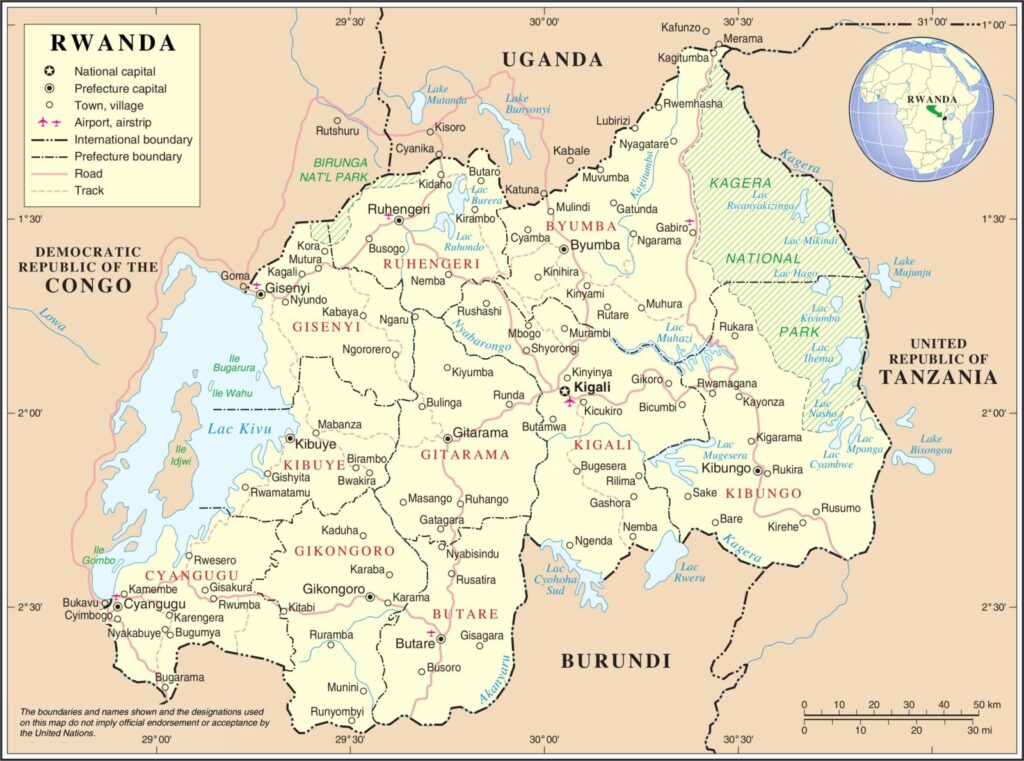
Rwanda sits at a higher average altitude than many safari destinations in Africa. Much of the country lies between 1,400 and 2,000 meters above sea level, which creates a cooler climate and lush vegetation. This elevation rarely causes serious altitude sickness, but it can affect breathing, stamina, and hydration, particularly for travelers arriving directly from sea-level regions.
Kigali, the main arrival point, sits at approximately 1,567 meters. Most travelers adjust easily within a day or two without any special precautions.
Higher elevations occur in the northern and southwestern regions, where trekking and forest activities take place.
High-Altitude Areas Travelers Should Know
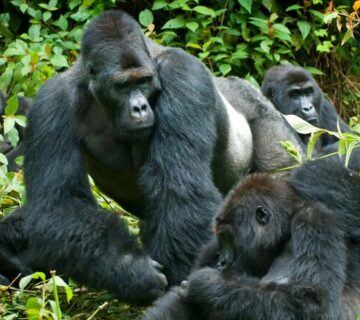
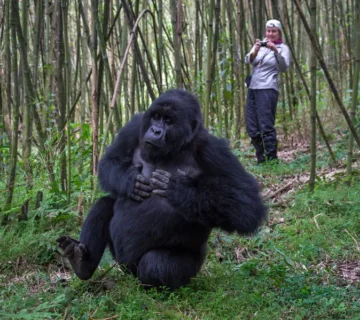
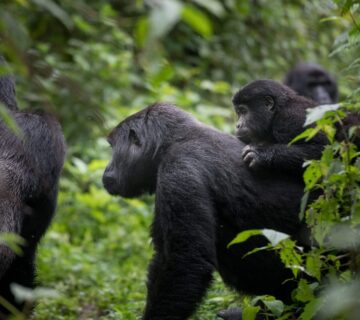
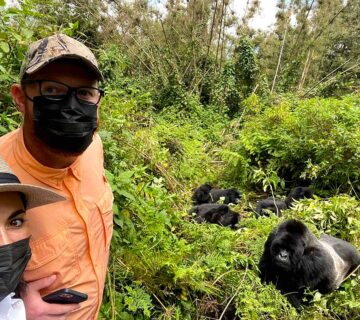
Gorilla trekking in Volcanoes National Park takes place at elevations ranging from roughly 2,400 to over 3,000 meters. This makes it the highest-altitude activity most travelers encounter in Rwanda.
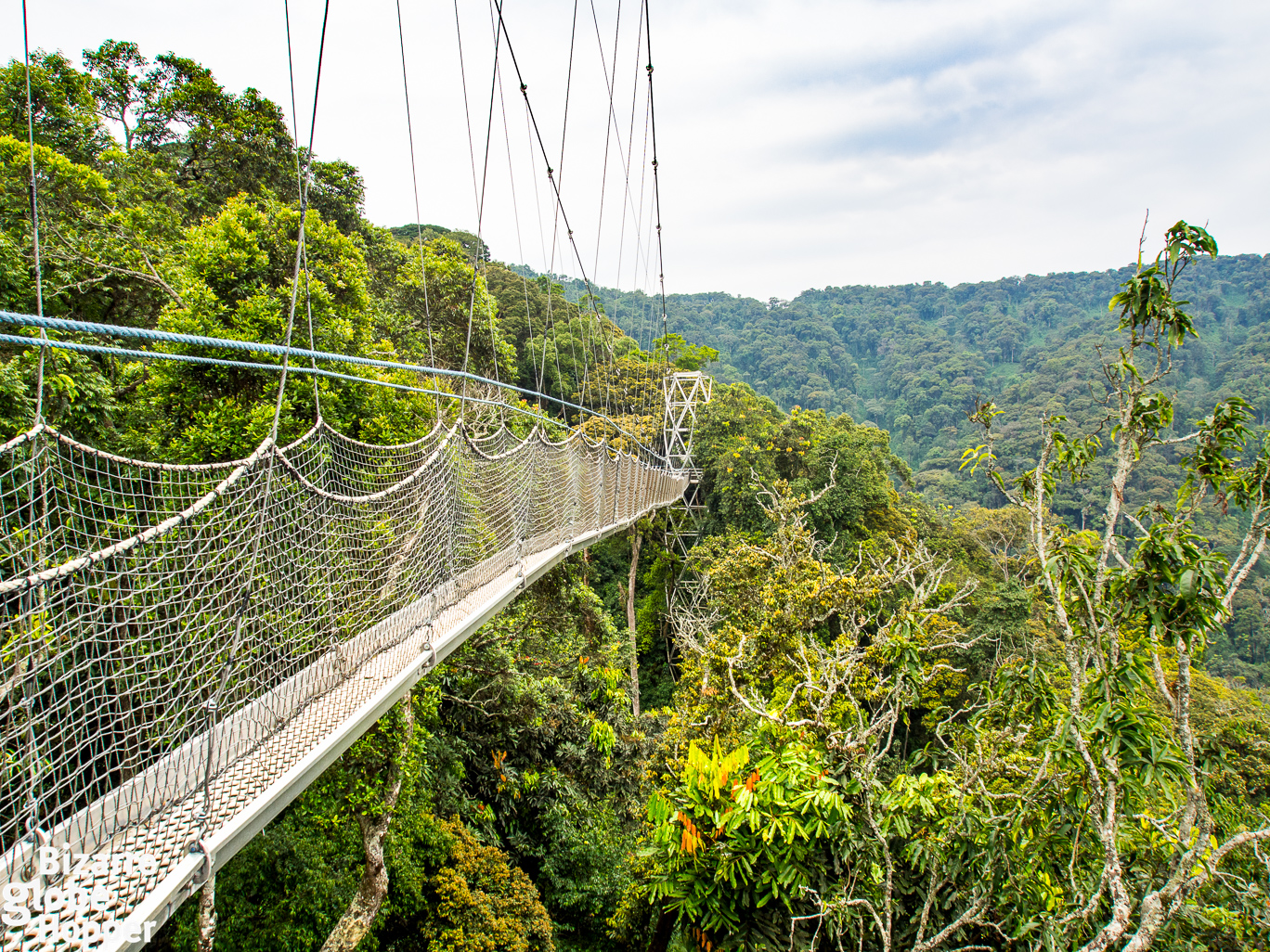
Nyungwe Forest National Park also sits at significant elevation, generally between 1,600 and 2,950 meters. Forest walks, canopy experiences, and chimpanzee trekking all occur in cool, oxygen-thinner environments.
In contrast, Akagera National Park lies at lower altitude and feels physically easy, as wildlife viewing happens from a vehicle rather than on foot.
Lake Kivu sits lower and provides a natural recovery zone where breathing feels easier and the body relaxes.
How Altitude Affects Most Travelers
For the majority of visitors, Rwanda’s altitude causes mild effects rather than illness. Travelers may notice quicker breathing during uphill walking, slightly reduced stamina, or mild fatigue during the first few days. Headaches and dehydration can occur if travelers do not drink enough water.
Serious altitude sickness remains extremely rare in Rwanda. Gradual pacing, hydration, and rest prevent most discomfort.
Listening to your body matters more than physical conditioning.
Fitness Requirements for Rwanda Travel
Rwanda does not require extreme fitness, but it does reward moderate mobility and comfort with walking on uneven ground.
City travel in Kigali involves hills, but distances remain short and transport is readily available. Travelers can avoid long walks easily.
Wildlife safaris in Akagera require no physical exertion beyond getting in and out of vehicles.
Forest-based activities require more effort, but they remain adaptable to individual ability.
Fitness and Gorilla Trekking Reality
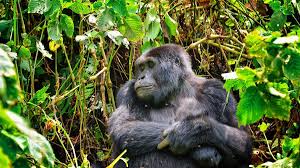
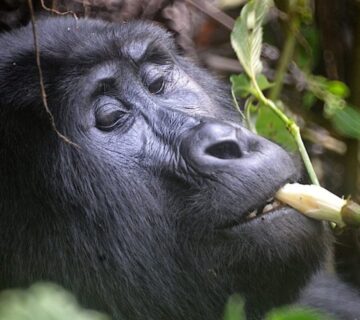
Gorilla trekking presents the most physically demanding activity in Rwanda, but it is far more flexible than many assume. Treks vary in length and difficulty depending on gorilla location and group assignment.
Rangers assign gorilla families based on fitness level, age, and personal preference. Travelers with moderate fitness often complete treks comfortably, even if they do not exercise regularly.
Porters are available and highly recommended. They assist with carrying bags, provide balance on steep sections, and reduce fatigue significantly. Their support transforms the experience from challenging to manageable.
The pace remains steady rather than rushed, and breaks are common.
Nyungwe Forest and Fitness Expectations
Nyungwe Forest activities range from gentle to moderately demanding. Canopy walks and guided forest trails involve some uphill sections but remain manageable with slow pacing.
Chimpanzee trekking requires quicker movement, as chimpanzees are more mobile than gorillas. Travelers who feel uncertain about fitness often choose alternative forest experiences instead, without losing the essence of Nyungwe.
Fitness here relates more to balance and endurance than strength.
Preparing Physically Before Traveling to Rwanda
Preparation does not require intense training. Light walking, stair climbing, and basic cardiovascular activity help the body adapt more easily to Rwanda’s hills and altitude.
Breaking in hiking shoes before travel prevents discomfort. Practicing walking on uneven surfaces helps build confidence rather than strength.
For travelers with medical conditions, consulting a healthcare provider before travel ensures peace of mind rather than limitation.
Pacing and Recovery During the Trip
Smart itineraries balance activity and rest. Rwanda naturally supports this flow. Active days in Volcanoes or Nyungwe often follow or precede restful stays at Lake Kivu or in Kigali.
Taking the first day slowly helps the body adjust to altitude. Hydration, light meals, and adequate sleep improve comfort significantly.
There is no pressure to push through fatigue. Guides adjust schedules and pace easily.
Age, Fitness, and Accessibility
Age does not define fitness in Rwanda. Travelers in their 60s and 70s regularly complete gorilla treks successfully. Younger travelers sometimes struggle more due to rushing rather than limitation.
Rwanda’s tourism system respects individual ability. Alternative activities exist for those who choose not to trek, ensuring that altitude never becomes a barrier to enjoyment.
Common Misconceptions About Fitness in Rwanda
Many travelers assume Rwanda requires high fitness because of gorilla trekking imagery. In reality, most experiences are adaptable and supported.
Another misconception is that altitude sickness is common. Rwanda’s elevations are moderate compared to high-altitude destinations like the Andes or Himalayas.
Preparedness matters more than physical strength.
Who Should Be Most Mindful of Altitude
Travelers with respiratory conditions, heart issues, or limited mobility should plan thoughtfully rather than avoid Rwanda. Open discussion with safari planners ensures appropriate accommodations, pacing, and activity selection.
Travelers who hydrate well, rest adequately, and avoid rushing rarely experience problems.
Confidence Comes From Understanding, Not Fear
Altitude and fitness for Rwanda travel should feel manageable, not intimidating. Rwanda’s landscapes challenge gently rather than aggressively, and its tourism structure supports travelers rather than tests them.
With realistic expectations, steady pacing, and proper planning, Rwanda offers powerful experiences without physical overwhelm.
From walking Kigali’s hills to standing face to face with mountain gorillas and resting beside Lake Kivu, Rwanda proves that meaningful travel does not require extreme fitness, only openness and preparation.