Travel with Disabilities in Rwanda
Rwanda is steadily emerging as one of Africa’s most disability-aware travel destinations. While the country is still developing full universal accessibility, it already offers strong foundations for travelers with disabilities who value safety, dignity, and personalized support. Clean cities, short travel distances, professional guiding, and a culture rooted in respect make Rwanda a realistic and rewarding destination for inclusive travel.
Travel with disabilities in Rwanda focuses less on rigid infrastructure and more on adaptability, human support, and careful planning. When trips are designed intentionally, Rwanda delivers meaningful experiences without unnecessary barriers.
Rwanda’s Approach to Inclusive Travel
Rwanda’s national development strategy emphasizes inclusion across public life, and this mindset extends into tourism. Hotels, guides, drivers, and park staff are accustomed to adapting services based on individual needs rather than applying one-size-fits-all solutions.
The country’s compact geography works strongly in favor of accessible travel. Journeys between destinations are short, roads are well maintained, and travel days remain manageable, reducing physical and mental fatigue.
Most accessible journeys begin in Kigali, where services are most developed.
Accessibility in Kigali for Travelers with Disabilities
Kigali offers Rwanda’s highest level of accessibility. Sidewalks in central areas are paved and clean, hotels are modern, and public spaces increasingly consider mobility needs. Many hotels provide ground-floor rooms, ramps, elevators, and staff assistance upon request.
Airport arrival procedures at Kigali International Airport are orderly and supportive. Wheelchair assistance can be arranged in advance, and private transfers ensure comfortable movement to hotels without relying on public transport.
City tours can be adapted easily, focusing on panoramic viewpoints, cultural spaces, cafés, and memorial visits that do not require extensive walking.
Safari Experiences and Disability-Friendly Adaptation
Safari travel in Rwanda does not require physical exertion for most wildlife viewing. This makes certain parks particularly suitable for travelers with mobility limitations.
Akagera National Park for Accessible Safaris
Akagera National Park offers the most accessible safari experience in Rwanda. Wildlife viewing takes place from a 4×4 vehicle, allowing guests to enjoy elephants, giraffes, zebras, buffalo, and birdlife without leaving the vehicle.
Vehicles can be adapted with step assistance, cushions, and flexible seating. Guides remain attentive to comfort and pacing, ensuring frequent stops and rest breaks. Boat safaris on Lake Ihema provide additional wildlife viewing from a stable, seated platform.
For travelers with limited mobility, Akagera delivers a complete safari experience without trekking.
Gorilla Trekking and Alternative Experiences
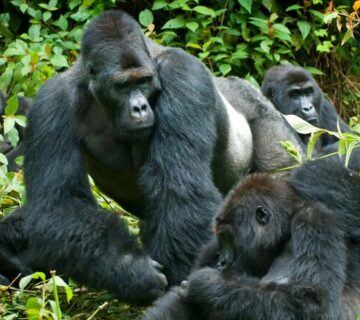
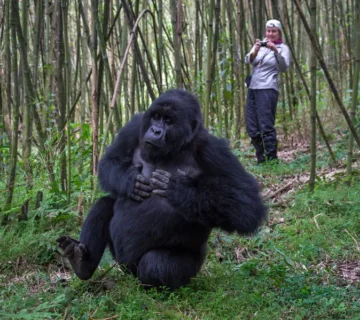
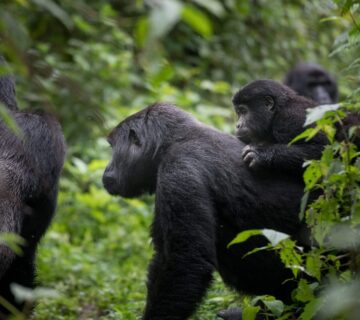
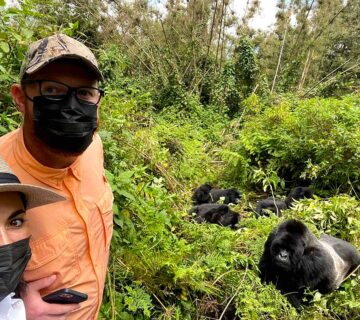
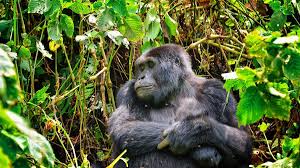
Gorilla trekking in Volcanoes National Park involves hiking through forested terrain and may not suit all travelers with disabilities. However, Rwanda offers respectful alternatives and adaptations.
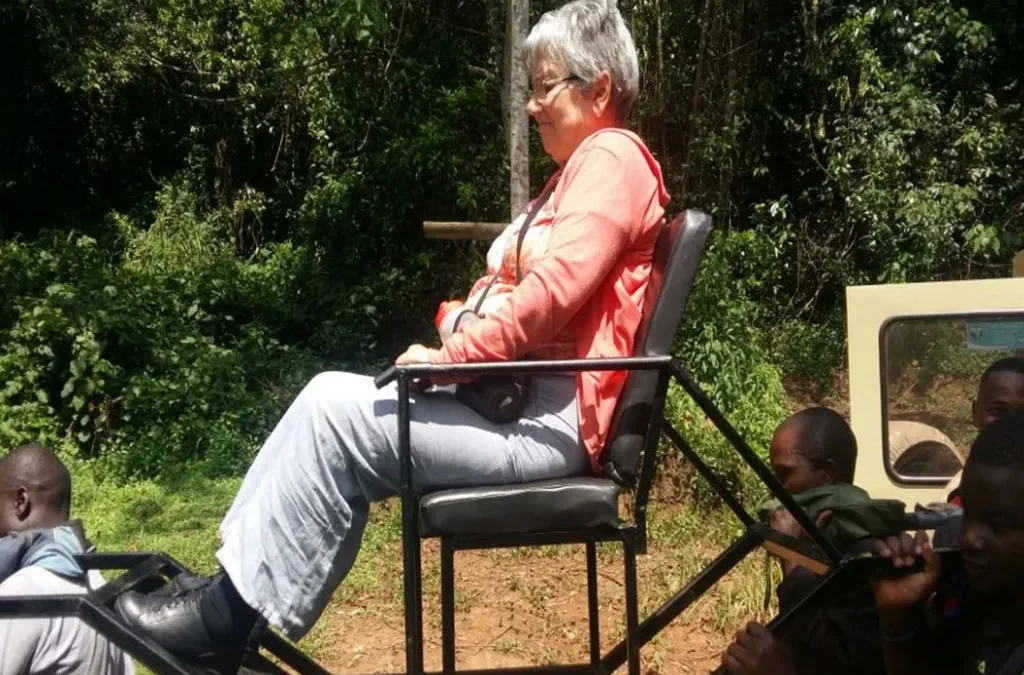
In some cases, travelers with limited mobility may qualify for assistance such as porters, stretcher support, or assignment to the shortest trekking routes, depending on medical clearance and park approval. These arrangements require advance planning and honest discussion of physical capability.
For travelers who cannot trek, cultural and conservation experiences around Volcanoes National Park provide meaningful engagement. Community visits, storytelling, conservation education, and scenic viewpoints allow participation without physical strain.
Lake Kivu as a Rest and Recovery Destination
Lake Kivu plays a crucial role in accessible itineraries. The lake region offers flat terrain, calm environments, and safe swimming conditions with no dangerous wildlife.
Several lakeside lodges provide step-free access, ground-level rooms, and attentive staff support. Activities such as boat cruises, lakeside relaxation, and village visits can be adjusted to individual needs.
Lake Kivu allows travelers with disabilities to slow the pace, recover energy, and enjoy Rwanda’s natural beauty without physical pressure.
Nyungwe Forest and Gentle Nature Experiences
Nyungwe Forest National Park presents challenges for full accessibility due to terrain, but it still offers suitable experiences for some travelers with disabilities.
Forest-edge walks, scenic viewpoints, tea plantation visits, and cultural interactions do not require strenuous activity. While chimpanzee trekking and canopy walks may not suit all travelers, Nyungwe can still be included selectively with careful planning.
Accommodation Standards and Accessibility Awareness
Rwanda’s hotels and lodges increasingly consider accessibility, especially midrange and luxury properties. While not all accommodations meet full international accessibility standards, staff willingness to assist often compensates for physical limitations.
Travelers should communicate specific needs clearly in advance. Requests for ground-floor rooms, step-free access, walk-in showers, and proximity to dining areas are often accommodated when planned early.
Luxury lodges tend to offer the highest level of personalized service, which benefits travelers with disabilities significantly.
Transport and Mobility Support
Private transport defines accessible travel in Rwanda. Vehicles with experienced driver-guides allow full control over pacing, seating, and comfort. Step stools, cushions, and flexible boarding arrangements are common.
Public transport is not suitable for travelers with disabilities, but this does not affect safari travel, as guided private transport covers all logistics.
Domestic flights and helicopters may support travelers with mobility challenges, though advance coordination is essential.
Attitudes, Dignity, and Respect
Rwandan society values dignity and respect deeply. Travelers with disabilities are treated with courtesy rather than curiosity. Assistance is offered naturally without being intrusive, and personal boundaries are respected.
This cultural attitude often matters more than physical infrastructure. Many travelers report feeling supported, seen, and welcomed rather than limited.
Planning Is the Key to Success
Accessible travel in Rwanda depends on thoughtful, honest planning. Clear communication about needs, limits, and preferences allows safari planners to design realistic and enjoyable itineraries.
Working with experienced operators who understand inclusive travel ensures that activities are chosen carefully and that support is available throughout the journey.
Who Rwanda Is Best Suited For
Rwanda suits travelers with mild to moderate mobility challenges, sensory sensitivities, or medical considerations who value safety, structure, and personal assistance. It also works well for travelers with disabilities accompanied by partners, family members, or caregivers.
Those seeking extreme independence or full self-navigation may find limitations, but travelers open to guided experiences often thrive.
Travel Without Barriers, With the Right Support
Travel with disabilities in Rwanda is not about overcoming obstacles but about designing journeys that respect individual capability. Rwanda’s strength lies in its people, professionalism, and calm environment rather than flashy infrastructure.
From accessible wildlife safaris and peaceful days on Lake Kivu to supportive city experiences in Kigali, Rwanda offers inclusive travel rooted in dignity and care.
For travelers with disabilities seeking Africa without intimidation, Rwanda stands as a quietly capable and deeply respectful destination.