Rwanda Photography Safari Itinerary
A Rwanda photography safari itinerary is designed for travelers who want more than sightings. It focuses on light, positioning, patience, and access to Rwanda’s most visually compelling environments. Rwanda’s compact geography, dramatic elevation changes, and low tourist density create ideal conditions for photography, whether you shoot wildlife, landscapes, people, or abstract details.
This itinerary balances iconic subjects like mountain gorillas with open savannah wildlife, misty rainforests, and calm lakescapes, while allowing enough time in each location to work with light rather than rush against it.
Day 1: Arrival in Kigali and Urban Photography Orientation
Your photography safari begins in Kigali, one of Africa’s most visually clean and well-organized cities. After airport pickup, you settle into your hotel before beginning a gentle afternoon photography orientation.
Kigali offers excellent opportunities for urban storytelling. Hilltop viewpoints reveal layered cityscapes at sunset, while local markets and neighborhoods provide candid moments of daily life. The city’s calm atmosphere allows photographers to work discreetly and respectfully.
Overnight in Kigali.
Day 2: Kigali to Akagera National Park – Savannah Wildlife Photography
After an early breakfast, you travel east to Akagera National Park, reaching the park in about two and a half hours. Akagera offers Rwanda’s only classic savannah environment, making it essential for wildlife photographers.
An afternoon game drive introduces open plains, acacia woodland, and lakeshores. Elephants, giraffes, zebras, buffalo, and antelope appear against uncluttered backgrounds that suit clean compositions. The park’s low visitor numbers allow vehicles to position carefully without pressure.
Golden-hour light in Akagera feels warm and directional, ideal for long-lens wildlife work.
Dinner and overnight inside or near Akagera National Park.
Day 3: Akagera Morning Game Drive and Lake Ihema Boat Photography
The morning begins before sunrise to capture wildlife during peak activity. Early light reveals predators, grazing herds, and birdlife in soft tones. Your guide positions the vehicle with photography in mind, prioritizing angles and distance over speed.
In the afternoon, you enjoy a boat safari on Lake Ihema. This experience offers close-range photography of hippos, crocodiles, and water birds, with reflections and low angles rarely possible from land. The water-based perspective adds variety to the photographic portfolio.
Overnight in Akagera National Park.
Day 4: Akagera to Volcanoes National Park – Scenic Transitions
After breakfast, you return to Kigali for lunch before continuing north toward Volcanoes National Park. The drive introduces a dramatic change in landscape, from open savannah to terraced hills and volcanic slopes.
Photography stops along the route focus on rural life, agriculture, and layered landscapes. As the Virunga volcanoes emerge, mist and cloud movement create moody, cinematic scenes.
You arrive in the Kinigi or Musanze area and settle into your lodge near the park.
Dinner and overnight near Volcanoes National Park.
Day 5: Gorilla Photography Experience in Volcanoes National Park
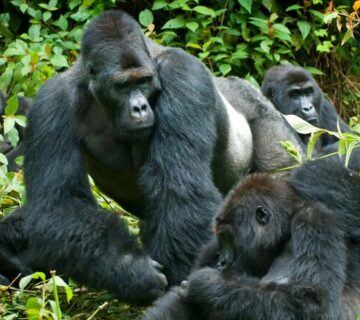
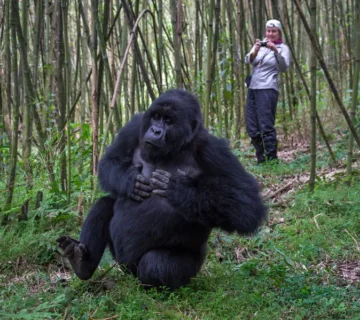
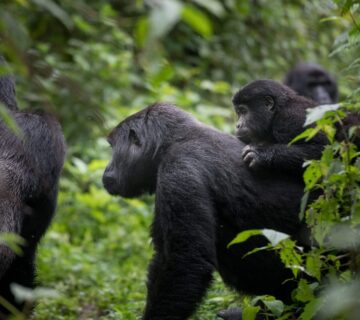
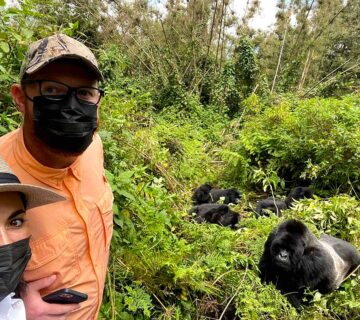
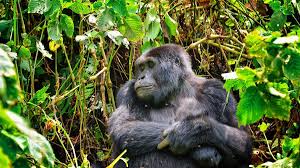
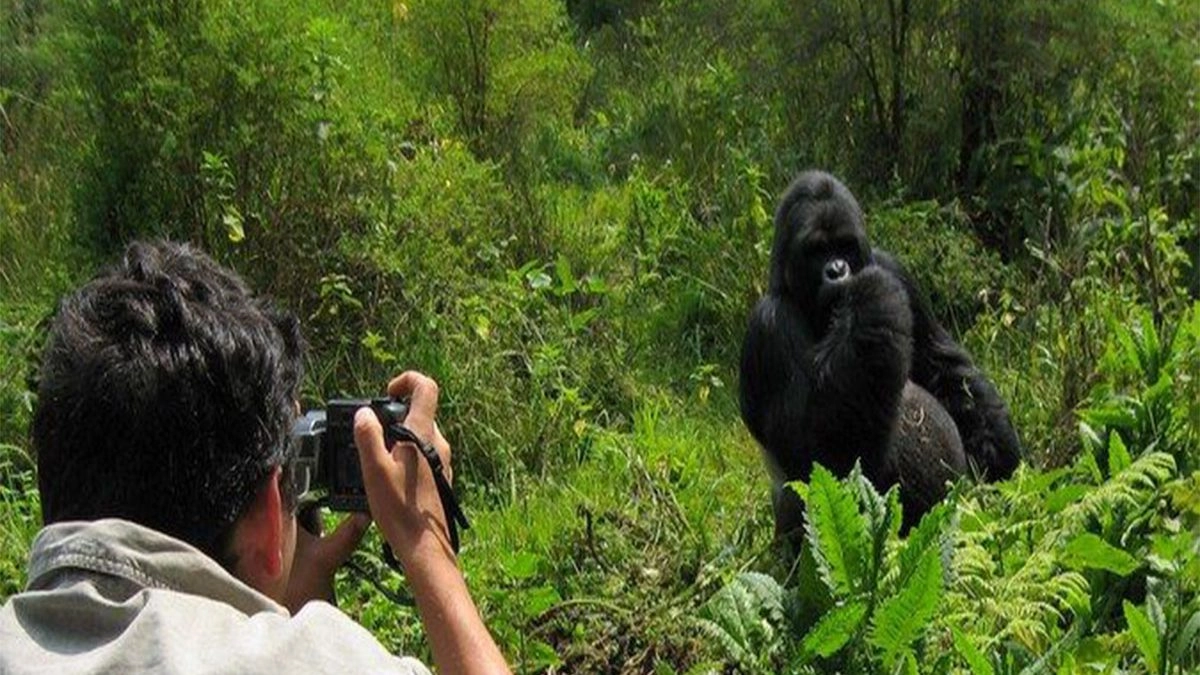
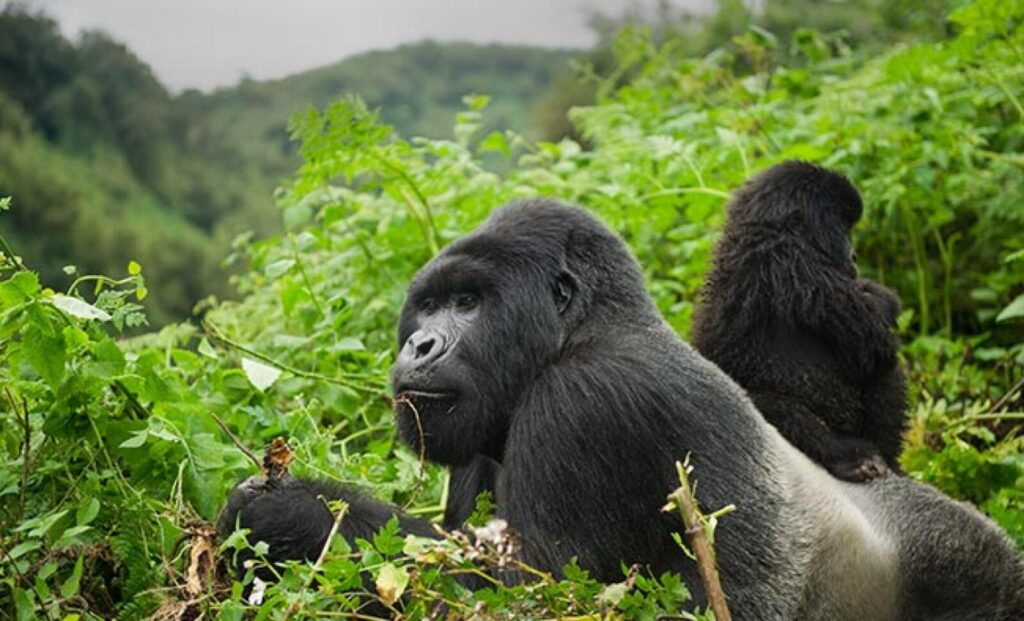
This day delivers one of the most challenging and rewarding wildlife photography experiences in Africa. After an early ranger briefing, you trek into the forest to track a habituated gorilla family.
Photography here emphasizes restraint and awareness. Light filters softly through bamboo and forest canopy, favoring higher ISO and wide apertures. The one-hour encounter encourages thoughtful composition rather than rapid shooting.
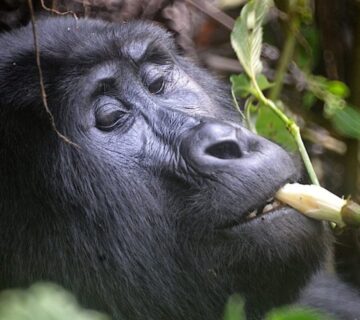
Close-range portraits, interaction sequences, and emotional expressions define gorilla photography. Silence, patience, and respect produce the strongest images.
After the trek, you return to the lodge for rest and image backup.
Overnight near Volcanoes National Park.
Day 6: Volcanoes to Lake Kivu – Landscape and Lifestyle Photography
After breakfast, you travel west toward Lake Kivu, descending from volcanic highlands into a calm lakeside environment.
Lake Kivu offers ideal conditions for landscape, lifestyle, and long-exposure photography. Fishermen preparing nets, calm water reflections, and layered hills create minimalist compositions. Sunset light stretches gently across the lake, rewarding photographers who wait rather than chase scenes.
You overnight in Gisenyi or Karongi at a lakeside lodge.
Day 7: Lake Kivu Sunrise and Cultural Photography
Early morning photography on Lake Kivu captures fishermen returning at dawn, mist rising from the water, and soft pastel light across the hills. This time suits storytelling images rather than wildlife action.
Later in the day, you explore lakeside communities with a local guide. Photography here focuses on respectful cultural documentation, daily routines, and environmental context. The pace remains slow, allowing subjects to feel comfortable.
Overnight on Lake Kivu.
Day 8: Lake Kivu to Nyungwe Forest National Park
After breakfast, you travel south toward Nyungwe Forest National Park, passing tea plantations and forest corridors. The journey itself provides opportunities for layered landscape photography and agricultural detail.
On arrival, you check in at a lodge overlooking the forest canopy. The afternoon remains free for light exploration and scouting compositions for the next day.
Overnight near Nyungwe Forest National Park.
Day 9: Chimpanzee and Canopy Photography in Nyungwe Forest
An early start prepares you for chimpanzee trekking. Chimp photography differs greatly from gorillas, requiring fast shutter speeds and readiness for movement. Chimps vocalize loudly and move quickly through the canopy, creating dynamic, high-energy scenes.
Later, you experience the canopy walkway, which offers elevated perspectives across the rainforest. This location suits wide-angle forest shots, depth studies, and atmospheric imagery.
Overnight near Nyungwe Forest.
Day 10: Return to Kigali and Departure
After breakfast, you return to Kigali for departure. The drive allows time for final landscape captures and reflection on a diverse photographic journey.
Why Rwanda Excels for Photography Safaris
Rwanda offers clean backgrounds, controlled tourism, excellent guiding, and emotional wildlife encounters. Distances remain short, allowing photographers to focus on shooting rather than transit.
This itinerary prioritizes light, access, and time, three elements that define successful photography travel.
Best Time for a Rwanda Photography Safari
Dry seasons from June to September and December to February offer clearer light and easier trekking. Rainy seasons bring dramatic skies, mist, and rich color, often preferred by landscape and fine-art photographers.
A Safari Built for Visual Storytellers
A Rwanda photography safari itinerary rewards patience, sensitivity, and curiosity. From gorilla portraits and savannah action to misty forests and lakeside life, Rwanda offers a complete photographic narrative in one country.
For photographers seeking depth rather than volume, Rwanda delivers images that endure.