Rwanda Long Safaris Explained
Why Extended Safaris Offer the Deepest and Most Rewarding Rwanda Experience
Rwanda long safaris are designed for travelers who want more than highlights. These extended journeys allow time to understand landscapes, connect with communities, and experience wildlife without pressure. Instead of rushing between parks, long safaris unfold slowly, revealing Rwanda’s character through rhythm, contrast, and continuity.
Rwanda’s compact geography makes long safaris especially effective. Travelers can cover the country comprehensively while still enjoying rest days, scenic drives, and unstructured moments that short trips cannot offer.
What Defines a Long Safari in Rwanda
A long safari in Rwanda usually ranges from eight days to two weeks or more. These itineraries combine multiple ecosystems, including savannah, rainforest, volcanic highlands, and lakeside environments. The emphasis lies on depth, balance, and recovery rather than ticking locations off a list.
Long safaris allow travelers to stay longer in each destination, revisit wildlife areas at different times of day, and absorb cultural experiences naturally rather than as brief stops.
Why Rwanda Excels for Long Safaris
Rwanda’s infrastructure supports extended travel without fatigue. Roads are well maintained, distances remain manageable, and service standards stay consistently high across the country. Travelers move comfortably from Kigali to remote parks without logistical stress.
The country’s strong conservation framework ensures that wildlife experiences remain controlled and meaningful, even over extended stays. Long safaris feel immersive rather than repetitive.
Gorilla Trekking as a Long Safari Centerpiece
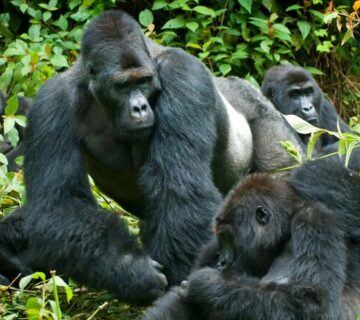
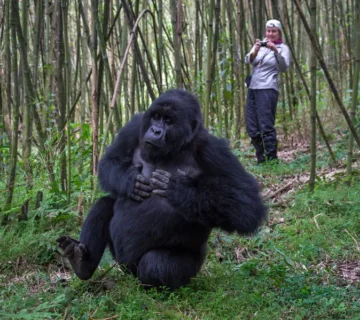
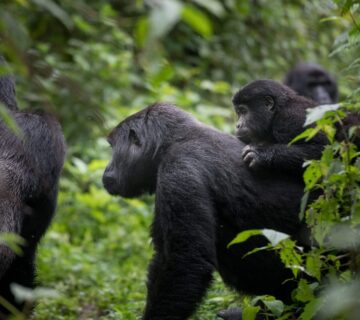
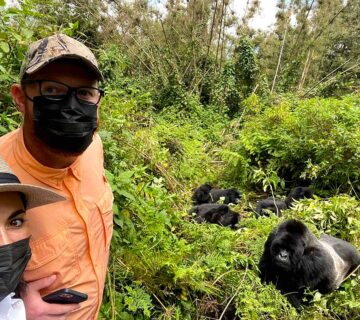
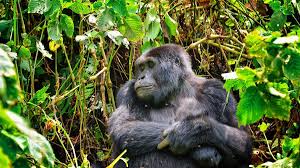
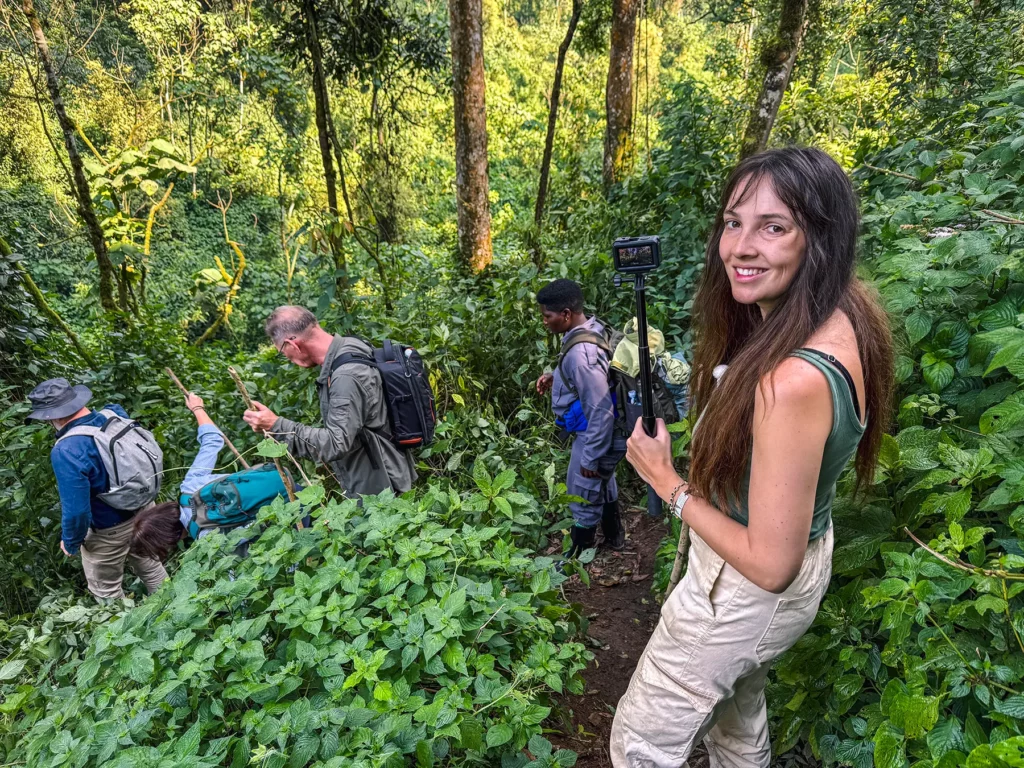
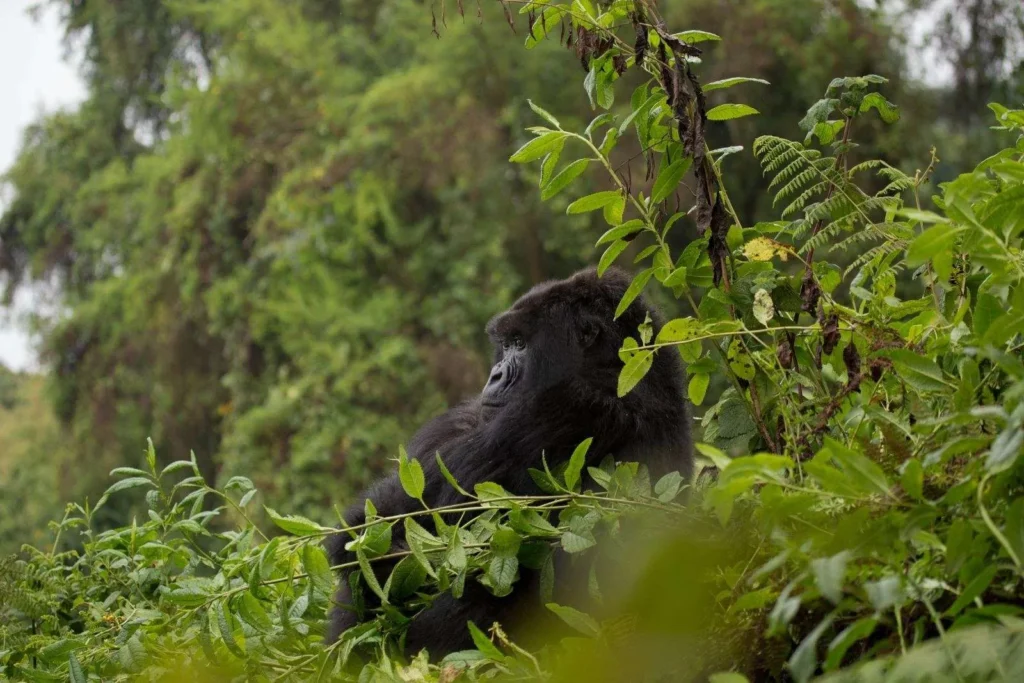
For many travelers, mountain gorillas form the emotional core of a long safari. Extended itineraries allow proper acclimatization before trekking in Volcanoes National Park, followed by recovery time afterward.
Some long safaris include additional primate experiences such as golden monkey tracking or cultural activities around the park. This layered approach deepens understanding of conservation rather than limiting the experience to a single trek.
Savannah Wildlife Over Multiple Days
Long safaris create space for unhurried wildlife viewing in Akagera National Park. Spending several nights in Akagera allows travelers to explore different park zones, track predators over time, and enjoy both morning and evening game drives without repetition.
Extended stays also include boat safaris on Lake Ihema and quiet midday breaks, which improve wildlife sightings and overall comfort.
Rainforest Depth in Nyungwe Forest
Extended itineraries often include several days in Nyungwe Forest National Park, one of Africa’s oldest montane rainforests. Long safaris allow travelers to experience chimpanzee trekking, canopy walks, forest-edge community visits, and nature trails at a relaxed pace.
Nyungwe rewards patience. The forest reveals its richness slowly, making it especially suited to travelers on longer journeys.
Lake Kivu as a Restorative Anchor
Lake Kivu plays a crucial role in long Rwanda safaris. Positioned between wildlife regions, the lake offers physical and mental recovery. Time spent along Lake Kivu balances the intensity of trekking and game drives.
Extended stays allow travelers to experience fishing communities, quiet shoreline walks, and slow mornings that reset the pace of the journey.
Cultural Integration on Long Safaris
Long safaris allow culture to emerge organically. Travelers engage with communities through village walks, cooperatives, markets, and shared meals rather than staged performances. Cultural experiences feel conversational and contextual rather than scheduled.
Extended time also allows travelers to better understand Rwanda’s post-genocide recovery, reconciliation efforts, and strong sense of national identity.
Who Benefits Most From Long Safaris
Long safaris suit travelers who value immersion over efficiency. They appeal to photographers, honeymooners, slow travelers, retirees, and anyone seeking meaningful connection rather than constant movement.
Families with older children and first-time Africa visitors also benefit, as longer stays reduce pressure and allow time to adjust to new environments.
Best Time for Rwanda Long Safaris
Long safaris operate year-round. Dry seasons from June to September and December to February provide ideal trekking and wildlife conditions. Rainy seasons offer lush scenery, fewer visitors, and quieter parks, which many long-stay travelers prefer.
Because activities spread over many days, weather variations rarely disrupt the overall experience.
Choosing the Right Length and Flow
The success of a long safari depends on balance. Effective itineraries alternate active days with lighter ones and place rest destinations strategically between demanding experiences. Rwanda’s geography supports this flow naturally.
Rather than extending a short itinerary, a long safari should be designed intentionally, with time built in for rest, reflection, and flexibility.
When Time Becomes the Luxury
Rwanda long safaris redefine luxury through time rather than excess. They allow travelers to slow down, notice detail, and form emotional connections with place and people.
For travelers seeking a safari that feels complete rather than compressed, long safaris in Rwanda deliver depth, meaning, and lasting perspective.