Rwanda Safari Cost Breakdown
A Clear, Honest Guide to What a Rwanda Safari Really Costs
Understanding Rwanda safari costs helps travelers plan confidently and avoid surprises. Rwanda positions itself as a high-quality, conservation-driven safari destination, and pricing reflects strong park management, community benefits, and excellent infrastructure. While Rwanda can appear expensive at first glance, the value lies in access, safety, exclusivity, and unforgettable experiences such as gorilla trekking.
This Rwanda safari cost breakdown explains where your money goes, what influences pricing, and how to plan a safari that fits your budget without compromising experience.
The Core Factors That Shape Rwanda Safari Costs
Rwanda safari pricing depends on four main elements: park permits, accommodation level, transport style, and trip length. Because Rwanda is compact, travelers save on internal flights and long-distance transfers, but premium conservation fees and permits form a significant part of the overall cost.
The experience you choose, not just the number of days, determines the final price.
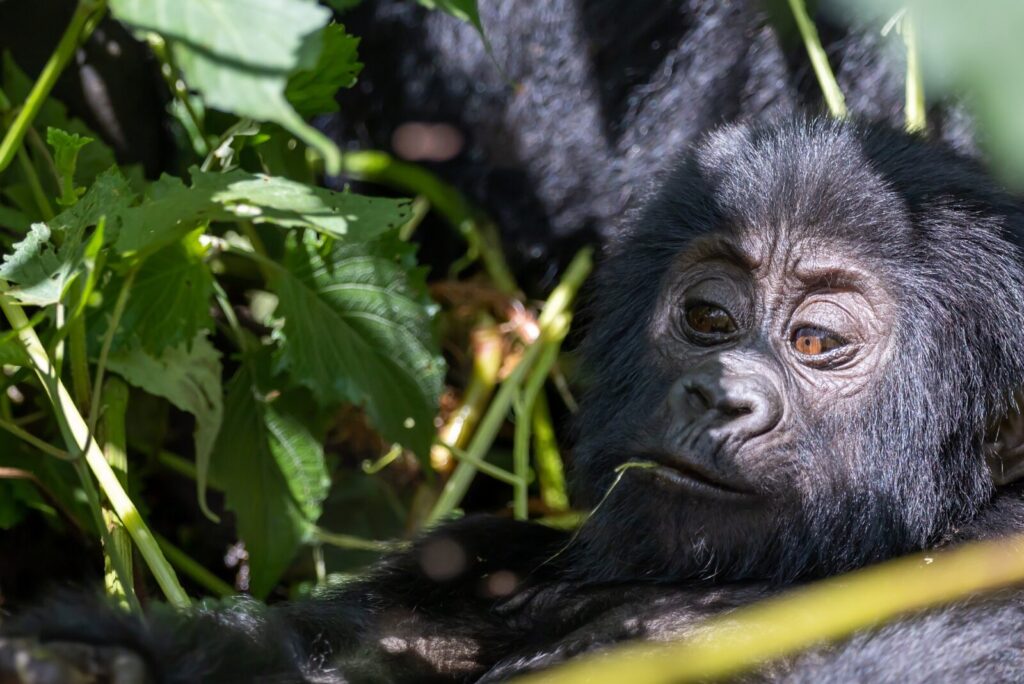
Gorilla Trekking Permit Costs
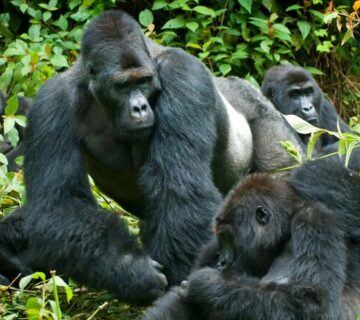
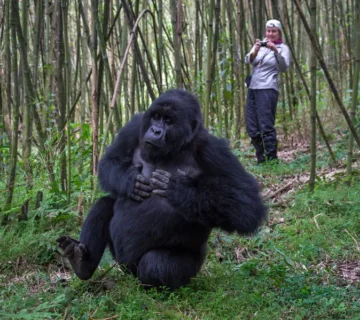
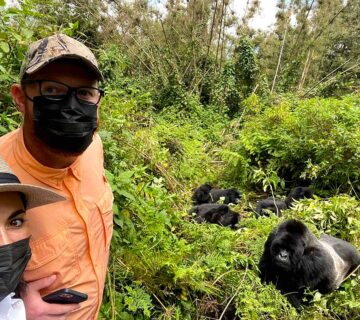
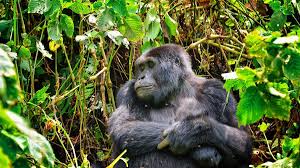
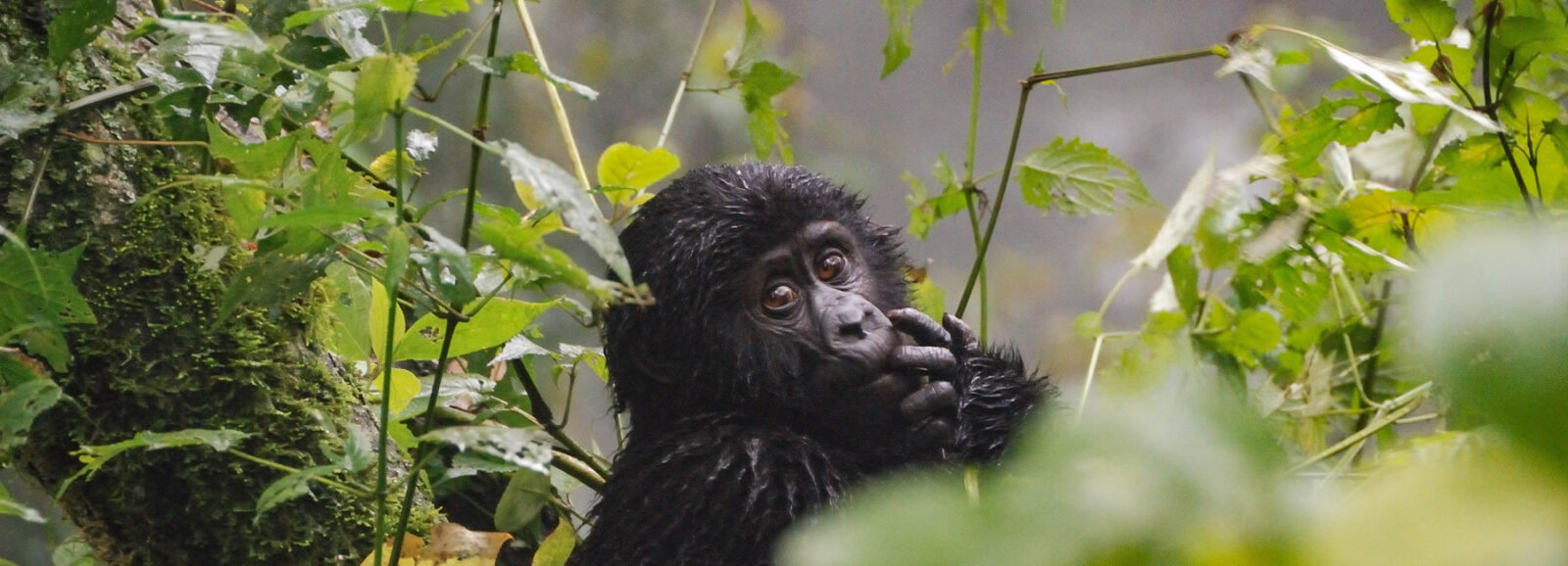
Gorilla trekking remains the single most expensive component of a Rwanda safari. A permit to trek mountain gorillas in Volcanoes National Park costs USD 1,500 per person.
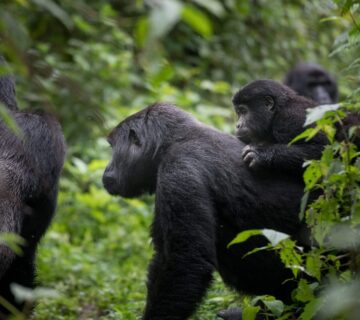
This permit covers park entry, ranger guidance, security, and conservation funding. It also supports local communities living around the park. While the price feels high, Rwanda limits gorilla permits daily, ensuring uncrowded encounters and strong protection for endangered gorillas.
For many travelers, the gorilla trek alone justifies the safari cost.
Wildlife Safari Costs in Akagera National Park
A classic wildlife safari in Akagera National Park costs significantly less than gorilla trekking. Park entry fees range from moderate to affordable compared to other African destinations, especially for multi-day visits.
Game drives, guide services, and boat safaris on Lake Ihema add value without dramatically increasing costs. Akagera works well for travelers who want Big Five wildlife while balancing a high-cost gorilla permit elsewhere in the itinerary.
Chimpanzee Trekking Costs in Nyungwe Forest
Chimpanzee trekking in Nyungwe Forest National Park typically costs USD 150 per person for the permit. This makes it one of the more affordable primate experiences in Rwanda.
Nyungwe safaris often include additional activities such as canopy walks and forest hikes, which add modest fees but enhance the experience. Compared to gorilla trekking, Nyungwe offers strong value for primate-focused travelers.
Accommodation Costs by Travel Style
Accommodation forms the second-largest part of Rwanda safari costs after permits. Prices vary widely depending on comfort level and location.
Budget lodges and guesthouses generally range from modest nightly rates and focus on cleanliness, warmth, and proximity to parks. These options work well for travelers prioritizing experiences over luxury.
Midrange lodges offer private rooms, scenic views, and reliable service at balanced prices. Many travelers choose midrange accommodation to control costs while maintaining comfort.
Luxury lodges in Rwanda sit among Africa’s finest. Properties near Volcanoes National Park, Akagera, Lake Kivu, and Nyungwe deliver privacy, architecture, and personalized service. These lodges significantly increase safari costs but also define Rwanda’s reputation for high-end travel.
Transport and Guide Costs
Transport costs in Rwanda remain reasonable due to short distances and good roads. Most safaris use a private 4×4 vehicle with a professional driver-guide. This cost covers fuel, vehicle maintenance, guiding expertise, and logistical support.
Fly-in safaris or helicopter transfers raise costs substantially but reduce travel time and add exclusivity. These options appeal mainly to luxury travelers and honeymooners.
Lake Kivu Costs and Value
Time spent at Lake Kivu often balances safari budgets. Lake Kivu accommodation and activities generally cost less than park-based lodges, especially outside peak seasons.
Swimming, kayaking, and lakeside relaxation often come at little or no additional cost, making Lake Kivu an excellent recovery stop after expensive trekking experiences.
Length of Safari and Overall Budget Impact
Short safaris concentrate costs, especially if they include gorilla trekking. Longer safaris spread costs across more days and allow travelers to balance expensive activities with lower-cost regions such as Lake Kivu or Akagera.
A well-designed itinerary often feels more affordable over time than a rushed, permit-heavy short trip.
Seasonal Price Variations
Rwanda safari costs fluctuate slightly by season. High seasons from June to September and December to February see higher accommodation rates due to demand and optimal weather.
Low seasons bring greener landscapes, fewer visitors, and better accommodation deals. Gorilla permit prices remain fixed year-round, but overall safari costs often drop during these periods.
What a Typical Rwanda Safari Budget Looks Like
A budget-focused Rwanda safari without gorilla trekking can remain relatively affordable, especially when focusing on Akagera and Lake Kivu.
A midrange Rwanda safari with gorilla trekking typically sits in the moderate to high price range due to the permit cost.
A luxury Rwanda safari ranks among Africa’s premium travel experiences, driven by high-end lodges, private services, and fly-in transfers.
Why Rwanda Safaris Cost What They Do
Rwanda invests heavily in conservation, infrastructure, safety, and community benefit. Safari fees support wildlife protection, ranger salaries, healthcare, education, and local employment.
Rather than mass tourism, Rwanda chooses controlled, high-quality tourism that protects its most valuable natural assets. This approach explains the pricing structure and ensures long-term sustainability.
Planning a Cost-Effective Rwanda Safari
The most cost-effective Rwanda safaris focus spending on what matters most. Travelers often choose one premium experience, such as gorilla trekking, and balance it with budget or midrange accommodation elsewhere.
Working with experienced safari planners helps structure routes efficiently, avoid unnecessary nights, and align costs with personal priorities.
Value Beyond the Price Tag
A Rwanda safari cost breakdown reveals more than numbers. It shows how conservation, exclusivity, and safety shape the experience. Travelers pay not only for wildlife sightings but also for protection, dignity, and meaningful tourism.
For those seeking depth, intimacy, and responsibility in African travel, Rwanda delivers exceptional value, even at a premium.