Custom Rwanda Safari Planning Guide
How to Design a Personalized Safari That Fits Your Time, Budget, and Travel Style
A custom Rwanda safari allows travelers to shape their journey around personal interests rather than fixed itineraries. Rwanda’s compact size, diverse ecosystems, and reliable infrastructure make it one of Africa’s easiest countries for tailor-made safaris. Whether your focus is gorilla trekking, classic wildlife, culture, relaxation, or photography, a custom plan ensures every day serves a purpose.
This guide explains how to plan a Rwanda safari from scratch, step by step, while avoiding common mistakes and unnecessary costs.
Why Rwanda Is Ideal for Custom Safari Planning
Rwanda’s geography supports flexibility. From Kigali, travelers can reach every major safari destination by road within a day. This allows itineraries to adapt easily to arrival times, fitness levels, and interests.
Tourism standards remain consistently high across the country. Guides are professional, parks are well regulated, and safety levels are excellent. These conditions make customization practical rather than risky.
Step One: Define the Core Experience You Want
Every successful custom safari starts with clarity. Some travelers want a once-in-a-lifetime gorilla encounter. Others prioritize Big Five wildlife, culture, relaxation, or slow travel. Defining the emotional goal of the safari helps structure everything else.
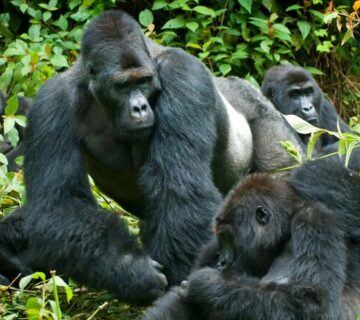
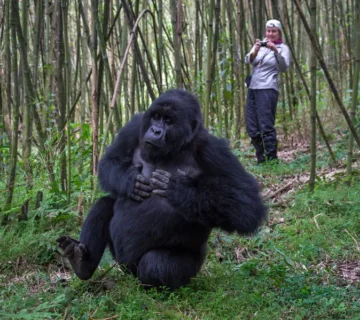
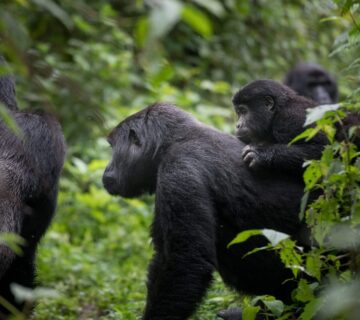
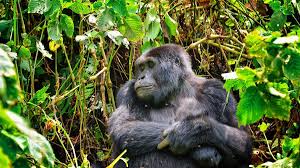
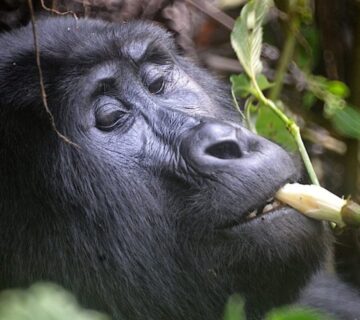
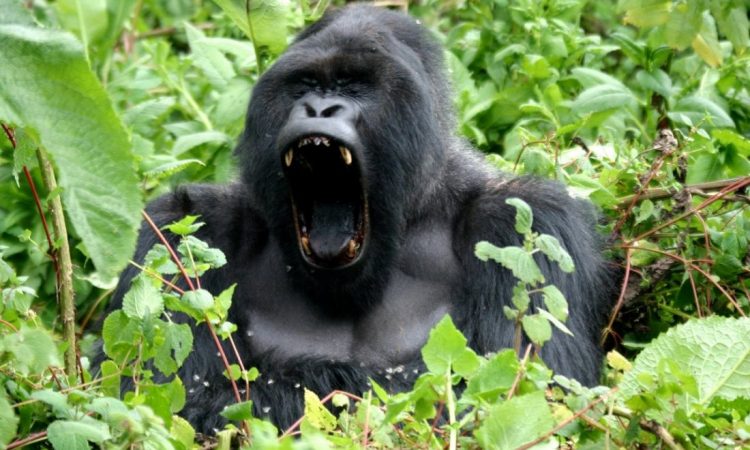
Gorilla-focused travelers center their itinerary around Volcanoes National Park. Wildlife enthusiasts include Akagera National Park. Those seeking calm and recovery add time on Lake Kivu, while primate and nature lovers extend south to Nyungwe Forest National Park.
A custom safari works best when it highlights one main theme and supports it with complementary experiences.
Step Two: Choose the Right Trip Length
Trip length shapes the rhythm of your safari. Short trips of two to four days work well for gorilla trekking alone or a quick wildlife escape. Medium trips of five to eight days allow combinations such as gorillas and Lake Kivu or wildlife and culture. Longer trips of nine days or more unlock Rwanda’s full circuit without rushing.
Custom planning ensures that longer itineraries include rest days and scenic transitions rather than constant movement.
Step Three: Balance Activity With Recovery
Rwanda safaris often include physically demanding activities such as gorilla or chimpanzee trekking. Custom itineraries work best when intense days are followed by lighter ones.
Lake Kivu frequently acts as a recovery anchor between parks. Scenic drives through tea plantations and hills also help slow the pace naturally. A well-planned safari feels comfortable even when it includes challenging experiences.
Step Four: Select Accommodation That Matches Your Style
Accommodation choice influences both comfort and cost. Budget lodges emphasize location and simplicity. Midrange lodges balance comfort and value. Luxury lodges focus on privacy, design, and personalized service.
In a custom safari, accommodation does not need to stay in one category throughout. Many travelers choose luxury near gorilla trekking and simpler lodges elsewhere to manage costs without losing quality.
Step Five: Understand Permit and Park Requirements
Certain experiences require advance planning. Gorilla trekking permits in Volcanoes National Park remain limited and fixed in price. Chimpanzee permits in Nyungwe Forest also require pre-booking, especially in high season.
A custom safari planner secures permits early and builds the itinerary around confirmed dates, avoiding last-minute stress or forced changes.
Step Six: Decide on Transport Style
Most custom Rwanda safaris use private 4×4 vehicles with driver-guides. This option allows flexibility for stops, photography, and timing adjustments.
Fly-in or helicopter transfers suit travelers with limited time or luxury preferences. These transfers increase cost but reduce travel time and add scenic value.
Choosing transport early helps align the itinerary with budget and comfort expectations.
Step Seven: Integrate Culture Naturally
Cultural experiences enrich custom safaris when they fit organically. Rather than scheduling many short visits, effective planning includes fewer, deeper interactions such as community walks, cooperative visits, or cultural storytelling experiences.
Cultural elements work especially well in Kigali, around Volcanoes National Park, and along Lake Kivu, where daily life remains closely connected to land and tradition.
Step Eight: Match the Safari to the Right Season
Rwanda supports year-round travel, but seasons affect pacing and cost. Dry seasons offer easier trekking and clearer views. Rainy seasons deliver lush landscapes, fewer visitors, and better accommodation deals.
Custom itineraries adapt activities to seasonal conditions rather than fighting them.
Step Nine: Avoid Common Planning Mistakes
The most common mistake involves trying to see everything. Rwanda rewards focus more than speed. Another error includes underestimating trekking difficulty or overpacking days without recovery time.
Custom planning solves these issues by prioritizing flow, realism, and personal comfort.
Step Ten: Work With a Specialist Planner
A custom Rwanda safari reaches its full potential when guided by local expertise. Experienced planners understand road conditions, permit logistics, lodge positioning, and realistic travel times.
A good planner listens first, designs second, and refines continuously until the safari reflects the traveler rather than a template.
When a Safari Becomes Personal
A custom Rwanda safari transforms travel into a story shaped by individual priorities. It replaces rigid schedules with intention and replaces volume with meaning.
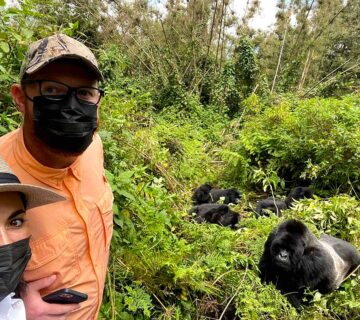
From standing face to face with mountain gorillas to watching the sun set over Lake Kivu, a well-planned custom safari ensures every moment feels chosen, not accidental.
For travelers seeking Rwanda on their own terms, custom planning offers the most rewarding path.