Rwanda Safari Packing Guide
What to Bring for Comfort, Safety, and a Smooth Safari Experience
Packing correctly for a Rwanda safari makes a noticeable difference to comfort, confidence, and overall enjoyment. Rwanda’s safaris involve varied environments, from misty mountain forests and open savannah to lakeside relaxation and urban exploration. Temperatures shift with altitude, activities vary in intensity, and weather can change quickly. A thoughtful packing approach ensures you stay prepared without overpacking.
This guide explains what to pack for a Rwanda safari, why each item matters, and how to adapt your packing to different safari styles.
Understanding Rwanda’s Climate and Terrain Before Packing
Rwanda sits at a high altitude, which keeps temperatures moderate throughout the year. Days often feel warm, while mornings and evenings remain cool, especially in forested and mountainous regions. Gorilla trekking areas near Volcanoes National Park experience mist and light rain even during dry seasons, while savannah areas like Akagera National Park feel warmer and sunnier.
Lake regions such as Lake Kivu bring a relaxed, beach-like climate, while rainforest zones around Nyungwe Forest National Park remain cool, humid, and damp.
Packing must reflect this variety rather than a single climate assumption.
Clothing for a Rwanda Safari
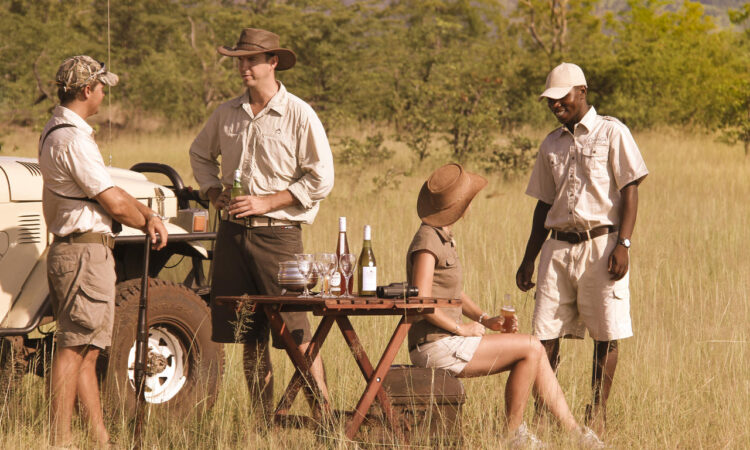
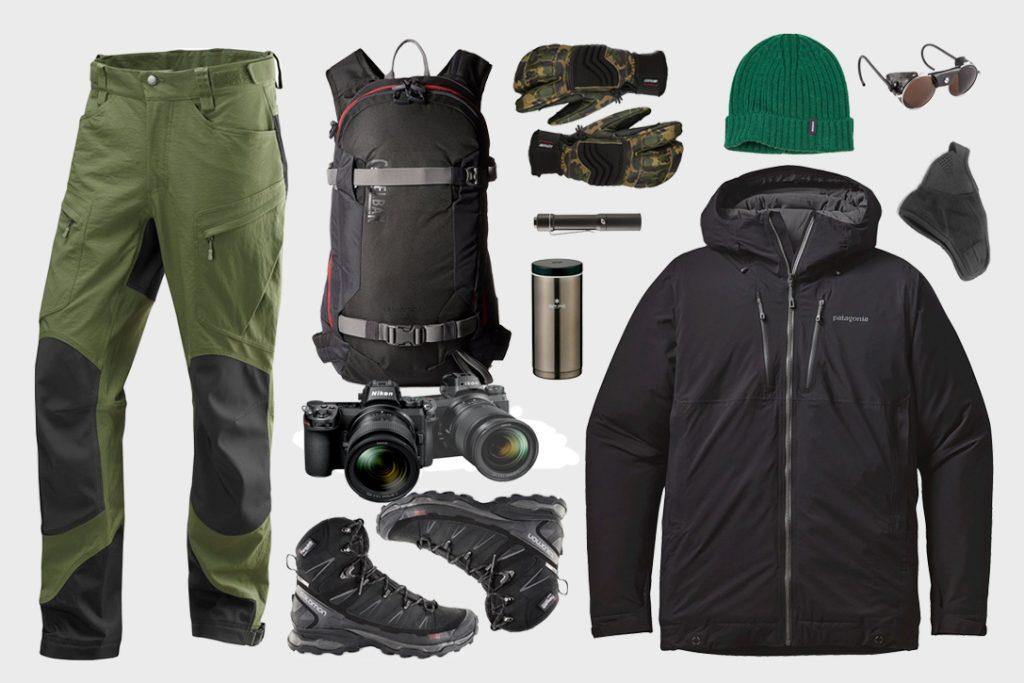
Safari clothing in Rwanda should prioritize comfort, layering, and practicality. Lightweight, breathable fabrics work best for daytime activities, while warmer layers help during early mornings and evenings. Neutral colors such as khaki, olive, and brown blend well into natural settings and suit wildlife viewing.
Long-sleeved shirts and lightweight trousers protect against insects, sun exposure, and vegetation during forest treks. A waterproof jacket proves essential for gorilla trekking and rainforest walks, as sudden showers occur even in dry months. Evenings often require a fleece or light sweater, especially in highland regions.
For Lake Kivu and lodge downtime, casual clothing, swimwear, and comfortable sandals provide ease and flexibility. Urban areas like Kigali call for neat, modest attire that respects local culture while remaining relaxed.
Footwear That Makes or Breaks the Safari
Footwear plays a critical role on a Rwanda safari. Sturdy, well-broken-in hiking boots offer essential ankle support and grip for gorilla and chimpanzee trekking. Trails can feel muddy, slippery, and uneven, especially in forested parks.
Light trainers or walking shoes suit city exploration, lodge grounds, and light walks. Sandals work well for Lake Kivu, evenings at lodges, and downtime between activities. Packing footwear that balances durability with comfort ensures you move confidently across all environments.
Safari Gear and Accessories to Bring
A small daypack helps carry water, snacks, rain gear, and personal items during treks and game drives. Reusable water bottles reduce plastic waste and help maintain hydration, especially at higher altitudes.
Sun protection remains important even in cooler climates. A wide-brimmed hat, sunglasses, and sunscreen protect against strong equatorial sun. Insect repellent helps in forested and lakeside areas, particularly during early mornings and evenings.
A lightweight scarf or buff adds versatility, offering warmth, sun protection, or dust coverage when needed.
Packing for Gorilla and Chimpanzee Trekking
Primate trekking requires specific preparation. Gloves protect hands while gripping vegetation on steep slopes. Long socks help shield ankles from insects and undergrowth. Rain-resistant clothing keeps you comfortable during extended hikes.
Cameras should include weather protection, as moisture levels remain high in forest environments. A simple dry bag or waterproof cover prevents damage during sudden rain.
Porters are available at trekking points and can carry daypacks, making the trek more comfortable, especially for travelers unfamiliar with steep terrain.
Photography and Electronics
Rwanda offers exceptional photography opportunities, from wildlife and landscapes to cultural moments. A camera with a versatile zoom lens works well for game drives, while wider lenses capture scenery and forest environments.
Extra batteries and memory cards matter, as charging access may feel limited during long days out. Rwanda uses standard European-style power sockets, so travelers should carry appropriate adapters.
Binoculars enhance wildlife viewing in savannah parks and bird-rich regions such as Akagera and Nyungwe.
Health, Documents, and Personal Essentials
Travel documents remain essential. Passports, visas, travel insurance, and vaccination records should stay accessible in a waterproof folder. Copies stored digitally add security.
Personal medications should cover the entire trip, along with basic first-aid items such as pain relief, blister care, and motion sickness tablets. High-altitude areas may cause mild fatigue, so hydration supplements can help maintain energy levels.
Travel insurance covering medical evacuation remains strongly recommended for all safari travelers.
What You Can Leave at Home
Overpacking often causes more inconvenience than comfort. Heavy luggage restricts movement and vehicle space. Laundry services exist at most lodges, allowing travelers to pack fewer clothing items.
Camouflage clothing and bright colors add no benefit and may restrict park access. Excess electronics often remain unused, as safari days stay full and engaging.
Packing With Purpose Enhances the Safari
A well-packed bag supports freedom rather than burden. It allows you to focus on wildlife encounters, cultural experiences, and moments of stillness rather than discomfort or missing items.
Rwanda’s safaris reward preparation, adaptability, and simplicity. When packing aligns with experience rather than excess, the journey feels smoother, lighter, and more enjoyable from arrival to departure.