Sustainable Tourism on Lake Kivu: Travel That Protects People and Place
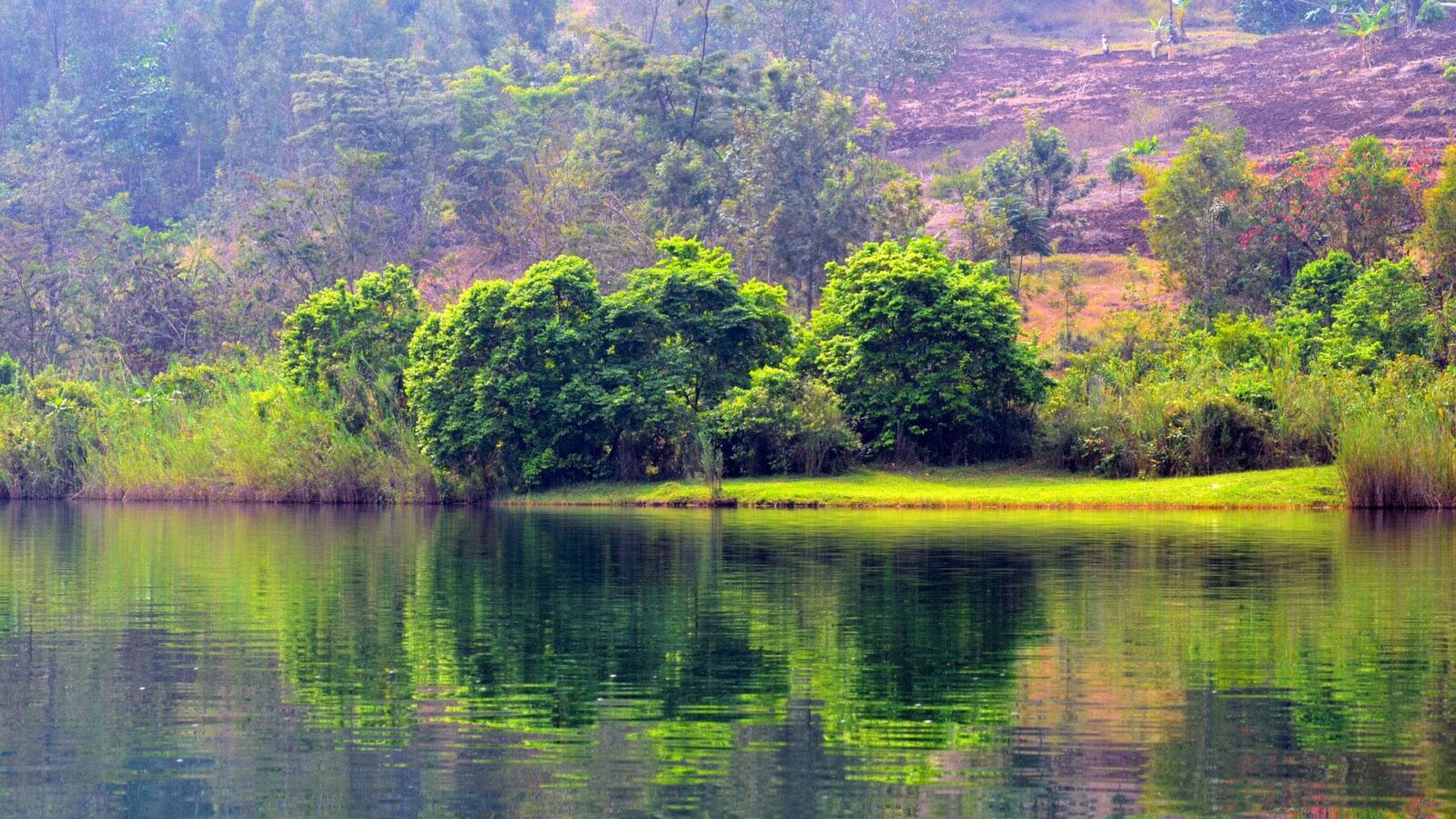
Sustainable tourism on Lake Kivu reflects Rwanda’s broader commitment to responsible travel, environmental protection, and community empowerment. Along the calm shores of this vast freshwater lake, tourism does not replace traditional life. Instead, it blends carefully with fishing culture, farming, and conservation efforts that have shaped the region for generations. Lake Kivu shows how tourism can grow without eroding identity or damaging ecosystems.
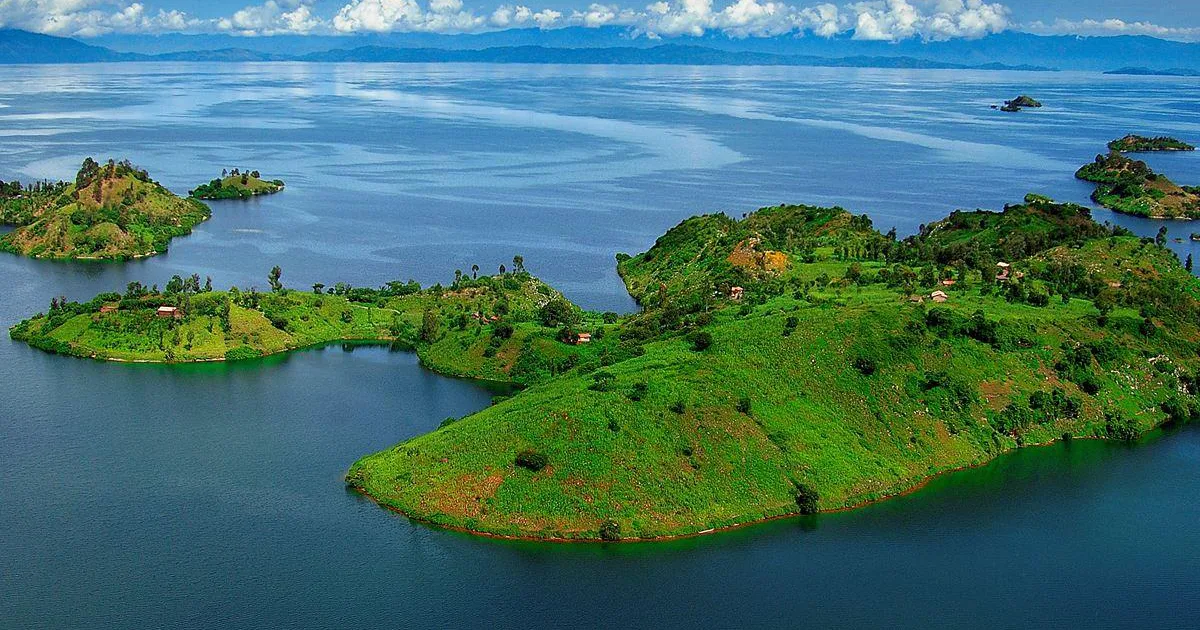
Stretching along Rwanda’s western border, Lake Kivu links the lakeside towns of Gisenyi in the north, Karongi in the central region, and Rusizi in the south. Across these areas, sustainability takes different forms but follows the same guiding principle: tourism must benefit local people while preserving the lake.
Why Lake Kivu Is Well Suited to Sustainable Tourism
Lake Kivu’s natural calm supports low-impact tourism by design. The absence of dangerous wildlife allows swimming, kayaking, and boat travel without heavy infrastructure or constant regulation. Activities rely on human movement rather than engines, noise, or large-scale construction.
The surrounding hills protect the shoreline from overdevelopment. Steep terrain limits mass tourism, encouraging smaller lodges and community-based enterprises instead of large resorts. This natural restriction helps maintain balance between visitation and preservation.
Community-Based Tourism Along the Lake
Local communities play a central role in Lake Kivu’s tourism model. Fishing villages, farming cooperatives, and small entrepreneurs shape visitor experiences through guided walks, cultural encounters, and storytelling. These interactions remain authentic because they grow from daily life rather than staged performance.
Income from tourism supports education, healthcare, and household stability in lakeside communities. When travelers choose locally guided activities or stay at community-friendly lodges, their spending circulates within the region rather than flowing outward.
In areas around Karongi and Rusizi, community tourism projects often combine fishing heritage with environmental awareness. Visitors learn how lake resources support livelihoods and why conservation matters for future generations.
Eco-Lodges and Responsible Accommodation
Accommodation on Lake Kivu reflects sustainability through scale, design, and operation. Many lodges use local materials, minimize land disturbance, and position buildings to blend with the landscape. Lake-facing rooms capture natural light and breeze, reducing energy demand.
Eco-lodges prioritize water conservation, waste management, and local employment. Solar power, rainwater harvesting, and reduced plastic use have become standard practices in responsible properties. Staff recruitment focuses on nearby communities, ensuring tourism creates long-term employment rather than seasonal labor.
Rather than competing with nature, these lodges depend on it, reinforcing the incentive to protect the lake and its surroundings.
Sustainable Water Activities on Lake Kivu
Water-based tourism on Lake Kivu aligns naturally with sustainability. Kayaking, paddleboarding, and swimming leave no pollution, no wake damage, and no disruption to aquatic life. Even boat excursions often use small vessels that reduce fuel use and noise.
Tour operators encourage early-morning outings when the lake remains calm, protecting shoreline vegetation and fishing zones. Clear guidelines prevent interference with fishing activities, ensuring tourism and livelihoods coexist peacefully.
Fishing Communities and Conservation Balance
Fishing remains the backbone of Lake Kivu’s economy, and sustainable tourism respects this reality. Visitors observe fishing practices without interfering, learning about sambaza harvesting, net repair, and cooperative work systems.
Local authorities and fishing cooperatives promote responsible fishing through regulations that protect fish stocks. Tourism helps reinforce these efforts by raising awareness and providing alternative income sources that reduce pressure on the lake.
When visitors understand the value of the lake beyond recreation, conservation becomes shared responsibility rather than imposed policy.
Environmental Protection and Clean Shorelines
Rwanda’s environmental standards shape Lake Kivu’s tourism success. Shoreline cleanliness, waste control, and plastic reduction remain priorities for both communities and businesses. Regular clean-up initiatives and education programs keep beaches and villages free from pollution.
Tourism operators often integrate environmental messaging into guest experiences, encouraging responsible behavior such as waste reduction and respect for natural spaces. These small actions collectively protect the lake’s long-term health.
Sustainable Tourism as a Social Experience
Sustainability on Lake Kivu also extends to social wellbeing. Tourism promotes cultural pride rather than displacement. Communities remain visible and valued, not hidden behind resort walls.
Travelers experience Lake Kivu through conversation, observation, and shared space. This approach builds mutual respect and understanding, strengthening the relationship between host and guest.
The Future of Sustainable Tourism on Lake Kivu
As interest in Lake Kivu grows, sustainability remains essential. Controlled development, community inclusion, and environmental monitoring ensure tourism growth does not compromise the lake’s character.
Lake Kivu stands as a model for inland African destinations seeking to balance tourism with tradition. It proves that growth does not require excess and that meaningful travel can protect what makes a place special.
A Lake That Thrives Through Responsibility
Sustainable tourism on Lake Kivu succeeds because it aligns with the lake’s nature. Calm, patient, and resilient, Lake Kivu rewards travelers who move slowly and responsibly. By choosing sustainable experiences here, visitors become part of a system that values people, protects water, and preserves peace.