
Fishing Communities Around Lake Kivu: Life, Tradition, and Survival on the Water
Fishing communities around Lake Kivu form the cultural and economic backbone of the lake’s shoreline. Long before Lake Kivu became known for wellness retreats and scenic escapes, fishing defined daily life here. Even today, as tourism grows, fishing remains central to identity, routine, and survival for thousands of families living along the lake’s edge.
Lake Kivu stretches across Rwanda’s western frontier, touching lakeside towns such as Gisenyi in the north, Karongi in the central region, and Rusizi in the south. Between these towns lie dozens of fishing villages, each shaped by the lake’s rhythms and seasonal cycles.

The Role of Fishing in Lake Kivu Life
Fishing on Lake Kivu goes far beyond food supply. It structures time, social bonds, and generational knowledge. Children grow up watching their parents mend nets, prepare boats, and read the water. Skills pass quietly from one generation to the next, rooted in experience rather than written instruction.
The lake provides both livelihood and identity. For many families, fishing income supports schooling, healthcare, and household needs. Even those who no longer fish full-time often retain strong emotional ties to the practice, viewing it as part of who they are rather than just what they do.
Traditional Fishing Methods on Lake Kivu
Fishing communities around Lake Kivu rely largely on small wooden boats powered by paddles or simple engines. These boats head out mostly at night, when fish move closer to the surface. Lanterns glow across the lake after sunset, creating one of Lake Kivu’s most iconic scenes.
The most important catch is sambaza, a small sardine-like fish introduced decades ago that now sustains the lake’s fishing economy. Fishermen work in teams, lowering fine nets and coordinating movements through quiet signals and shared routines. This cooperative approach strengthens social ties and reduces risk on the water.
Morning hours bring boats back to shore, where women and traders wait to sort, dry, or transport the catch to nearby markets. The shoreline becomes a place of movement, negotiation, and shared effort.
Fishing Communities in Gisenyi and the Northern Shores
Around Gisenyi, fishing villages exist alongside tourism infrastructure. Fishermen share the shoreline with hotels and public beaches, creating a visible blend of tradition and modern leisure. Early mornings reveal fishermen repairing nets near resorts, while evenings see boats launching just as sunset colors fade.
This coexistence has encouraged adaptation. Some fishermen supplement their income by guiding visitors, offering cultural explanations, or selling fresh fish directly to lakeside restaurants. The community remains active and resilient, balancing old practices with new opportunities.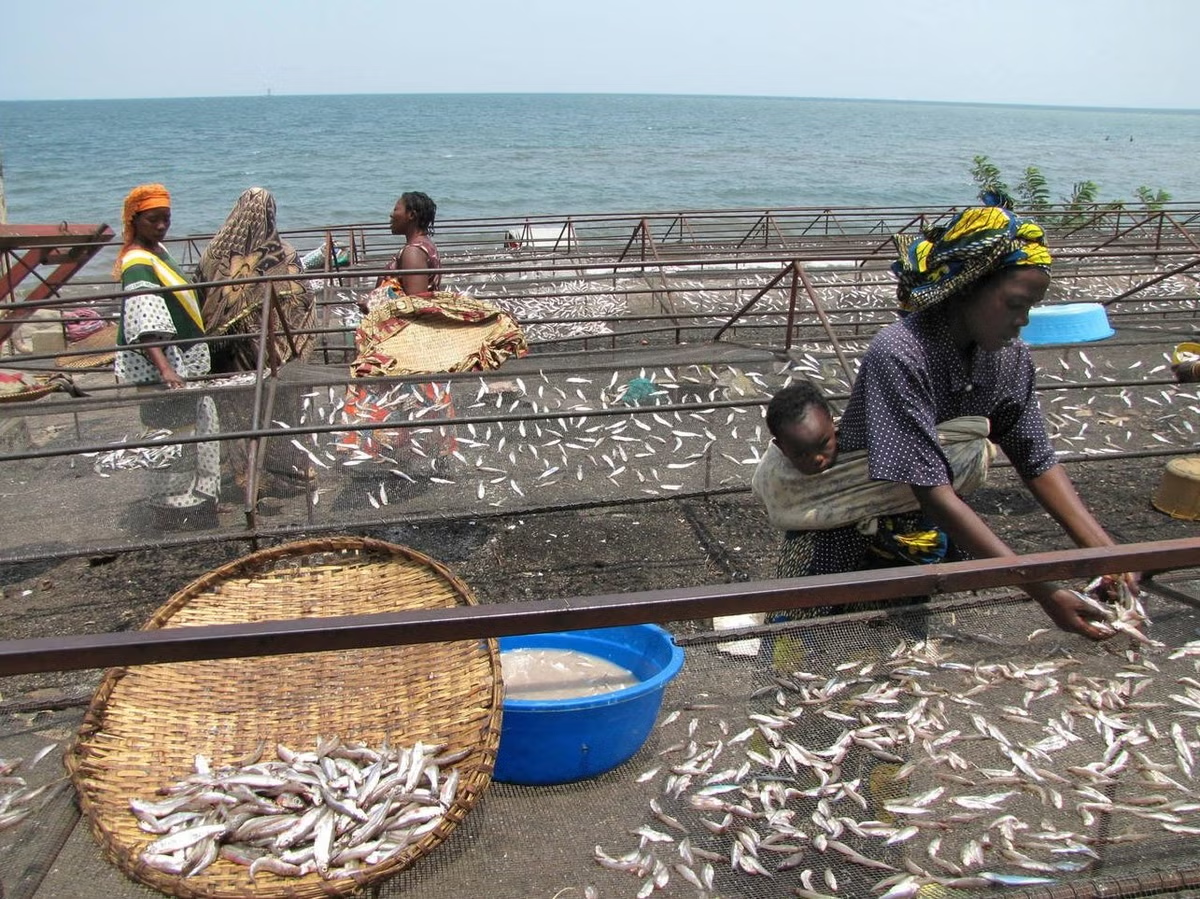
Karongi and the Island Fishing Villages
Karongi’s fishing communities often feel more isolated and intimate. Many fishermen live near small islands or peninsulas, where access relies almost entirely on the lake. Life here follows a slower pace, dictated by weather, water conditions, and fish movement.
Fishing villages in this area often combine fishing with small-scale farming. Banana groves and cassava fields sit just beyond the shore, supporting food security when fishing yields fluctuate. Community cooperation remains strong, especially during net repairs, boat maintenance, and shared market days.
Rusizi and the Southern Fishing Culture
In the southern reaches near Rusizi, fishing communities operate within a more natural and less developed landscape. The lake opens wider here, and villages feel deeply connected to both water and forested hills.
Fishing in this region often involves longer trips and stronger reliance on seasonal knowledge. Communities remain tightly knit, with shared labor and collective responsibility shaping daily routines. Visitors who reach these areas often experience fishing life in its most traditional form.
Women’s Role in Lake Kivu Fishing Communities
Women play a central role in Lake Kivu’s fishing economy, even though they rarely fish from boats. They handle processing, drying, selling, and transporting fish. Markets near the lake fill with women sorting sambaza under the sun, negotiating prices, and organizing distribution.
This role grants women economic influence within their households and communities. Fishing income managed by women often supports children’s education and family welfare, reinforcing their importance beyond visible labor.
Cultural Encounters for Visitors
Travelers who spend time near fishing communities encounter an authentic side of Lake Kivu life. Early morning walks reveal boats returning under soft light. Evening strolls show fishermen preparing nets while sharing stories and songs.
Responsible tourism encourages respectful observation rather than intrusion. Guided cultural visits allow travelers to learn about fishing traditions, daily challenges, and the lake’s ecological balance without disrupting routines. These interactions often leave lasting impressions, rooted in humility and shared humanity.
Sustainability and the Future of Fishing on Lake Kivu
Fishing communities around Lake Kivu face growing pressure from population growth, climate variation, and modern demand. Local authorities and cooperatives now promote sustainable fishing practices, including net regulations and seasonal awareness.
Tourism has introduced both opportunity and responsibility. When managed carefully, it supports alternative income and raises awareness of conservation. When ignored, it risks displacing traditional livelihoods. The future of Lake Kivu fishing depends on balance, respect, and inclusive development.
A Living Culture Shaped by Water
Fishing communities around Lake Kivu represent resilience, cooperation, and continuity. Their lives unfold quietly at the edge of the water, shaped by sunrise departures, night fishing lights, and shared labor. For travelers willing to slow down and observe, these communities offer one of the most meaningful cultural experiences on Lake Kivu.