
Kigali Genocide Memorial Guide
The Kigali Genocide Memorial is the most important historical and educational site in Rwanda. Located in the capital city of Kigali, the memorial honors the victims of the 1994 Genocide against the Tutsi and documents one of the darkest chapters in modern African history. A guided visit offers essential understanding of Rwanda’s past, the causes and consequences of the genocide, and the country’s remarkable journey toward unity, reconciliation, and peace.
For visitors to Rwanda, the memorial is not optional sightseeing. It is a place of remembrance, learning, and reflection that provides vital context before exploring the country’s wildlife, culture, and landscapes.
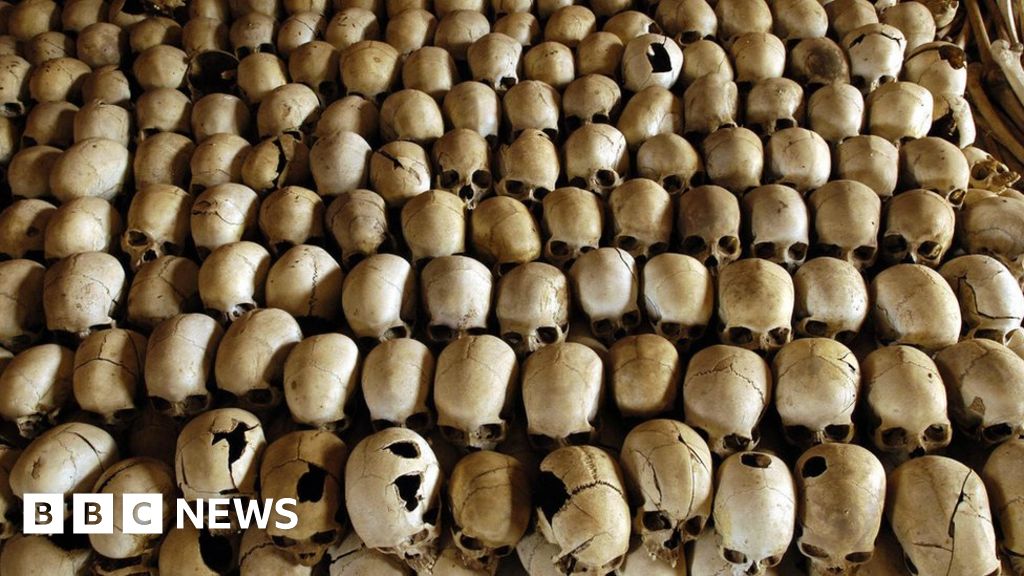
Overview of the Kigali Genocide Memorial
The Kigali Genocide Memorial serves three key purposes: to commemorate the victims, to educate future generations, and to promote peace through remembrance. Opened in 2004, the site is both a burial ground and a museum, with over 250,000 genocide victims laid to rest within its grounds.
The memorial is managed with international standards of preservation and interpretation, ensuring historical accuracy, dignity, and respect for survivors and families.
Historical Background: The 1994 Genocide Against the Tutsi
In 1994, Rwanda experienced a genocide that claimed the lives of more than one million people in approximately 100 days. The memorial explains how decades of colonial manipulation, political extremism, and ethnic division culminated in mass violence against the Tutsi population and moderate Hutu.
Through carefully curated exhibitions, visitors gain a clear understanding of how propaganda, fear, and silence enabled genocide, and how the international community failed to intervene. This historical grounding is essential for understanding Rwanda today.
Inside the Memorial: Main Exhibition Areas
The indoor exhibitions form the educational core of the memorial. Visitors move through a chronological narrative that explains Rwanda’s history before 1994, the events of the genocide, and the post-genocide rebuilding process.
One section focuses on the experiences of children, displaying photographs and personal stories that humanize the tragedy. Another exhibition places Rwanda’s genocide in global context, comparing it with other genocides to highlight warning signs and prevention lessons.
The exhibitions are intense but clearly presented, allowing visitors to process information at their own pace.
Mass Graves & Gardens of Reflection
Outside the museum buildings, visitors enter peaceful gardens and walkways that lead to the mass graves. These graves hold the remains of over 250,000 victims, making the memorial a sacred burial site as well as a museum.
The landscaped gardens provide a quiet space for reflection and mourning. Names, symbols, and inscriptions throughout the grounds reinforce themes of remembrance, dignity, and hope for future generations.
Visiting Etiquette & Cultural Sensitivity
A visit to the Kigali Genocide Memorial requires respect and mindfulness. Silence is observed in many areas, and visitors are encouraged to dress modestly. Photography is allowed in outdoor areas but restricted inside exhibition halls.
Guides emphasize the importance of emotional awareness, as survivors and local visitors often come to mourn or reflect. Respectful behavior is essential at all times.
Guided Tours vs Self-Guided Visits
Visitors can explore the memorial independently, but a guided visit provides deeper historical context and clearer interpretation of the exhibitions. Trained guides explain sensitive topics carefully, answer questions, and help visitors understand Rwanda’s reconciliation process.
Guided tours are especially recommended for first-time visitors, students, and anyone unfamiliar with Rwanda’s history.
How the Memorial Fits into a Rwanda Itinerary
The Kigali Genocide Memorial is usually included in a Kigali City Tour and visited on arrival or before departure. It pairs naturally with cultural experiences such as Nyamirambo walking tours, market visits, and art centers.
For travelers heading to Volcanoes National Park, Akagera National Park, or Nyungwe Forest, the memorial provides essential background that enriches the rest of the journey.
Who Should Visit the Kigali Genocide Memorial
The memorial is suitable for adult travelers, students, researchers, and culturally curious visitors. Families with older children may visit with guidance, though parents should consider emotional readiness.
The experience is especially meaningful for travelers interested in history, human rights, peace studies, and post-conflict recovery.
Kigali Genocide Memorial – Final Reflection
The Kigali Genocide Memorial stands as a powerful reminder of the consequences of hatred and silence, but also as a testament to resilience, reconciliation, and national healing. A visit leaves a lasting impression and deepens understanding of Rwanda beyond its wildlife and scenic beauty.
For anyone seeking meaningful travel rooted in truth and respect, this memorial is one of the most important places to visit in Rwanda.