
Kigali Safety & Transport Guide
Kigali is widely regarded as one of Africa’s safest and most orderly capital cities. Clean streets, visible law enforcement, and a culture of respect define daily life in Kigali. For visitors, understanding how safety works and how to move around the city ensures a smooth, confident experience—whether you are arriving for a city stay, gorilla trekking, or a short transit stop.
This guide explains what travelers need to know about personal safety, transport options, road conditions, and practical movement around Kigali.
Is Kigali Safe for Visitors?
Kigali consistently ranks among the safest cities in East and Central Africa. Violent crime against visitors is rare, and petty crime levels are low compared to many global cities. Police presence is visible but non-intrusive, contributing to a strong sense of public order.
Visitors can walk in many central areas during the day without concern. At night, movement remains safe when using registered taxis or hotel-arranged transport. Common-sense awareness—similar to travel anywhere in the world—is all that is required.
General Safety Tips in Kigali
Rwanda places high value on discipline and public order. Visitors are expected to behave respectfully in public spaces. Excessive public intoxication, disorderly conduct, or confrontational behavior is culturally discouraged.
Photography is generally allowed, but sensitive sites such as government buildings, security installations, and police posts should not be photographed. Always ask permission before photographing people.
Transport Overview in Kigali
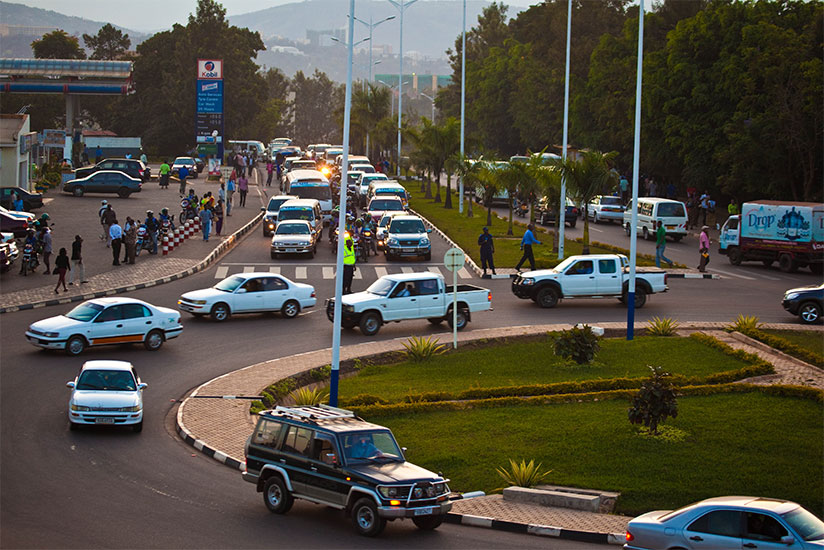
Kigali is compact and well-planned, making transport straightforward. Roads within the city are in good condition, signage is clear, and traffic is relatively light compared to other African capitals. Travel between neighborhoods is usually quick, even during peak hours.
Most visitors rely on private vehicles, taxis, or motorcycle taxis for daily movement.
Taxis in Kigali
Car taxis are safe, reliable, and widely available in Kigali. Most hotels can arrange trusted taxis for guests, and registered taxis operate throughout the city. Fares are generally affordable, though it is best to agree on the price before starting the journey unless using a metered or app-based service.
Taxis are the preferred option at night, for airport transfers, and for visitors unfamiliar with local routes.
Motorcycle Taxis (Motos)
Motorcycle taxis, locally known as motos, are a common and efficient way to move around Kigali. They are strictly regulated, and helmets are mandatory for both rider and passenger. Reflective jackets and identification numbers are standard.
Motos are best for short distances and daytime travel. While safe when properly used, first-time visitors who are uncomfortable with motorcycles may prefer car taxis.
Public Transport & Buses
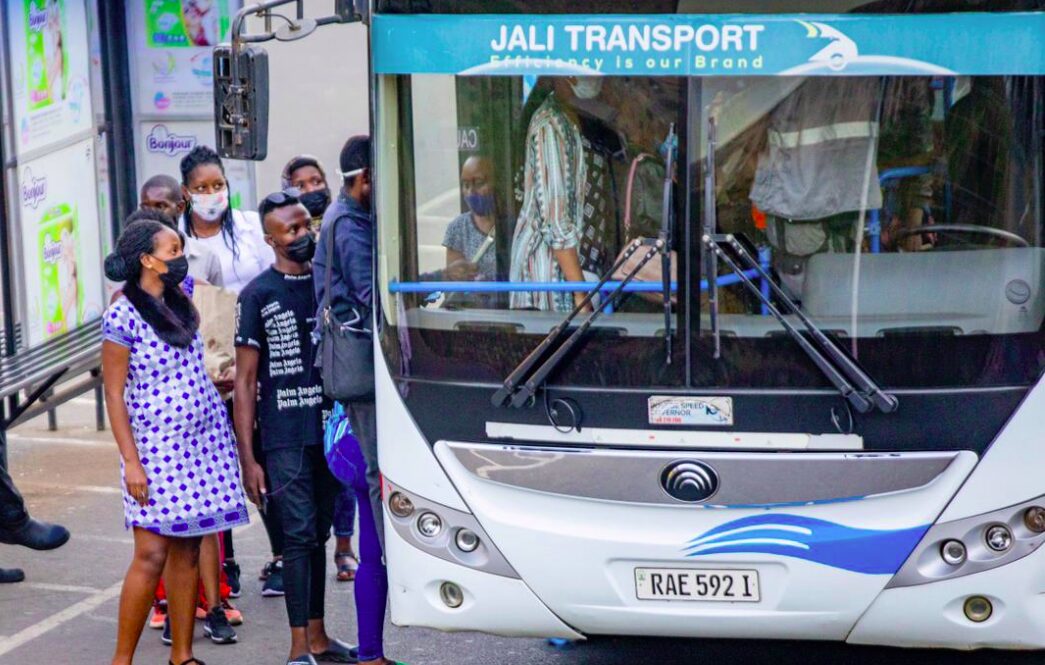
Public buses operate on fixed routes across Kigali and are widely used by residents. They are affordable and generally safe but can be crowded during peak hours. For short stays or first-time visitors, buses may be less convenient than taxis or private vehicles.
Public transport is best suited for travelers familiar with the city or those on longer stays.
Airport Transfers & Entry into Kigali
Most international travelers arrive via Kigali International Airport, located a short drive from the city center. Airport transfers are smooth and well-organized, with taxis and hotel pickups readily available.
For first-time visitors, pre-arranged transfers through hotels or tour operators provide the most seamless arrival experience.
Road Safety & Driving in Kigali
Driving standards in Kigali are generally high. Speed limits are enforced, traffic laws are respected, and road signage is clear. Pedestrian crossings are observed, and reckless driving is uncommon.
Self-driving is possible but not necessary for most visitors. Hiring a driver or using taxis is more practical, especially for short city stays.
Safety at Night
Kigali remains calm and safe after dark, particularly in central neighborhoods such as Kiyovu, Kimihurura, and Remera. Restaurants, hotels, and entertainment venues operate in well-lit areas with security presence.
Visitors are advised to avoid walking long distances at night and instead use taxis, especially when returning late.
Emergency Services & Assistance
Emergency response in Kigali is reliable. Hotels and tour operators can quickly assist with medical care, police contact, or transport issues if needed. Travel insurance is recommended, as with any international destination.
Carrying a copy of your passport and visa information is advised, while keeping originals secure at your accommodation.
How Safety & Transport Shape the Kigali Experience
Kigali’s strong safety record and efficient transport system allow visitors to focus on experiences rather than logistics. Whether exploring cultural sites, dining out, or preparing for national park excursions, movement around the city feels controlled and predictable.
This environment makes Kigali especially suitable for first-time Africa travelers, families, solo visitors, and business travelers.
Kigali Safety & Transport Guide – Final Overview
Kigali sets a high standard for urban safety and mobility in Africa. Clean streets, disciplined transport systems, and a culture of respect create an environment where visitors feel secure and confident from arrival to departure.
For travelers seeking a calm, safe, and well-organized city experience in East Africa, Kigali delivers consistently.