Why Culture Matters in Rwanda Tourism
Culture is the backbone of tourism in Rwanda. While wildlife experiences such as gorilla trekking draw global attention, it is Rwanda’s culture that gives travel deeper meaning. Culture shapes how visitors connect with people, understand conservation, and appreciate the country’s remarkable journey of identity, unity, and resilience.
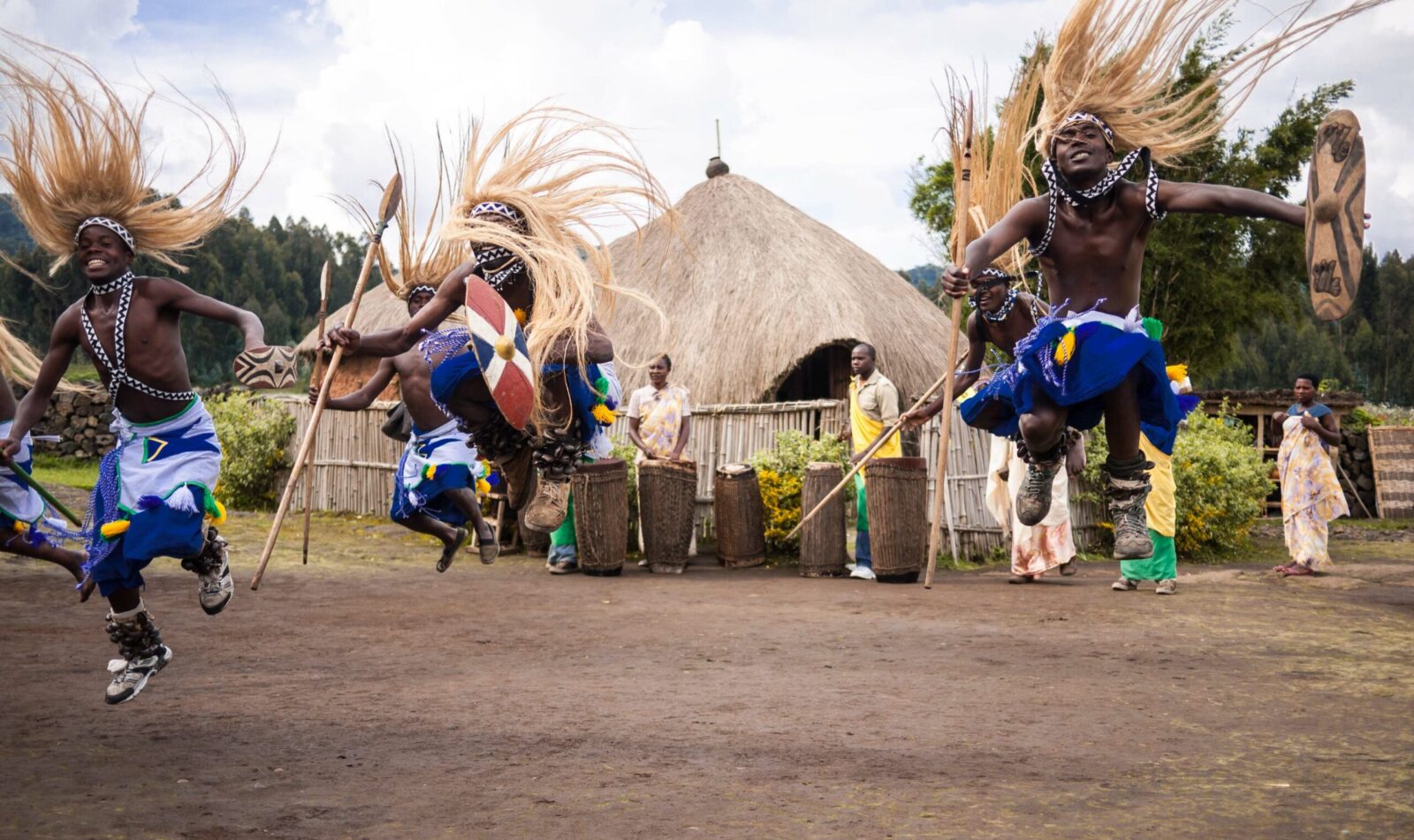
Culture as the Human Story Behind the Landscape
Rwanda’s hills, forests, and savannahs are inseparable from the people who live among them. Cultural tourism reveals how communities interact with the land, protect wildlife, and pass knowledge across generations. Without cultural context, tourism risks becoming shallow observation rather than meaningful engagement.
Culture explains why conservation works in Rwanda—because people are part of the ecosystem, not excluded from it.
Strengthening Conservation Through Culture
Cultural experiences around Volcanoes National Park, Nyungwe Forest National Park, and Akagera National Park show how communities benefit directly from tourism. Dance groups, cultural villages, homestays, and cooperatives create livelihoods linked to conservation.
When culture generates income, wildlife gains protection. This connection is central to Rwanda’s tourism success.
Preserving Identity and Living Heritage
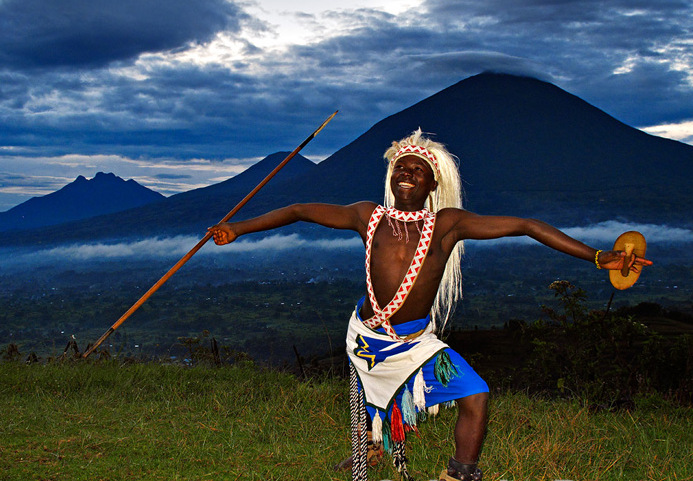 Rwandan culture is not preserved in isolation—it is lived daily. Traditional music, Intore dance, crafts, storytelling, food, and farming practices continue to evolve while maintaining their roots. Tourism provides a platform for sharing this living heritage with pride rather than allowing it to fade.
By valuing culture, tourism helps safeguard identity and ensures traditions remain relevant for younger generations.
Building Meaningful Visitor Experiences
Culture transforms a trip into a relationship. Travelers who engage with local communities gain insight into values such as respect, dignity, hospitality, and collective responsibility. Cultural encounters encourage dialogue, empathy, and learning that go far beyond sightseeing.
Visitors leave with stories, not just photographs.
Supporting Community Empowerment
Cultural tourism creates inclusive economic opportunities. Women’s cooperatives, youth groups, artisans, performers, and farmers earn income through cultural activities. Revenue supports education, healthcare, and community projects, strengthening social structures and resilience.
This empowerment ensures tourism benefits many rather than a few.
Rwanda’s History and Cultural Understanding
Understanding Rwanda’s history adds depth to every visit. Cultural storytelling, museums, and memorial visits provide context for the nation’s recovery and unity. Culture helps visitors understand how Rwanda rebuilt itself through shared values, discipline, and reconciliation.
Tourism grounded in cultural awareness encourages respect and responsible engagement.
Ethical and Responsible Tourism
Culture sets the standard for ethical tourism in Rwanda. Community consent, dignity, and fair benefit guide how experiences are designed and delivered. Visitors are not consumers of culture but participants in respectful exchange.
This approach positions Rwanda as a leader in responsible tourism globally.
Culture as a Bridge Between Visitors and Locals
Cultural tourism breaks barriers. Through shared meals, music, dance, village walks, and conversation, visitors and hosts meet as people rather than roles. These moments create trust and lasting impressions on both sides.
Culture turns tourism into connection.
Who Benefits When Culture Is Valued
When culture matters, everyone benefits—communities gain income and pride, conservation gains support, and visitors gain authentic understanding. Rwanda’s tourism model shows that culture is not an add-on but a foundation.
Final Insight
Culture matters in Rwanda tourism because it gives purpose to travel. It explains the land, strengthens conservation, empowers communities, and transforms visitors into respectful partners rather than spectators. In Rwanda, culture is not separate from tourism—it is the heart that makes every journey meaningful.