Community-Based Tourism Benefits
Community-based tourism in Rwanda places local people at the center of travel experiences, ensuring tourism delivers real, long-term value beyond sightseeing. By involving communities directly in planning, hosting, and benefiting from tourism, Rwanda has created a model where cultural preservation, conservation, and livelihoods grow together.
What Community-Based Tourism Means in Rwanda
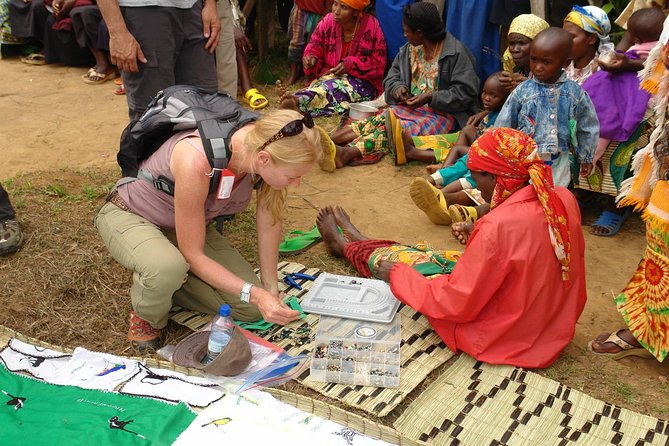
Community-based tourism allows local residents to own, manage, and benefit from tourism activities in their areas. Instead of external operators controlling experiences, communities act as hosts, guides, artisans, and storytellers. Income remains local, decision-making stays inclusive, and cultural dignity is preserved.
This approach strengthens trust between visitors and hosts while creating authentic, meaningful experiences.
Economic Benefits for Local Communities
One of the most visible benefits of community-based tourism is income generation. Revenue from village visits, cultural performances, crafts, guiding, and homestays supports household incomes and reduces reliance on subsistence farming or environmentally harmful activities.
Tourism earnings help families pay school fees, access healthcare, improve housing, and invest in small businesses, creating a ripple effect throughout the community.
Conservation and Environmental Protection
Community-based tourism directly supports conservation by linking livelihoods to protected landscapes. Communities living near Volcanoes National Park, Nyungwe Forest National Park, and Akagera National Park benefit financially from tourism, giving them a strong incentive to protect wildlife and habitats.
Former poachers and forest resource users often become conservation ambassadors, guides, and educators through tourism.
Cultural Preservation and Pride
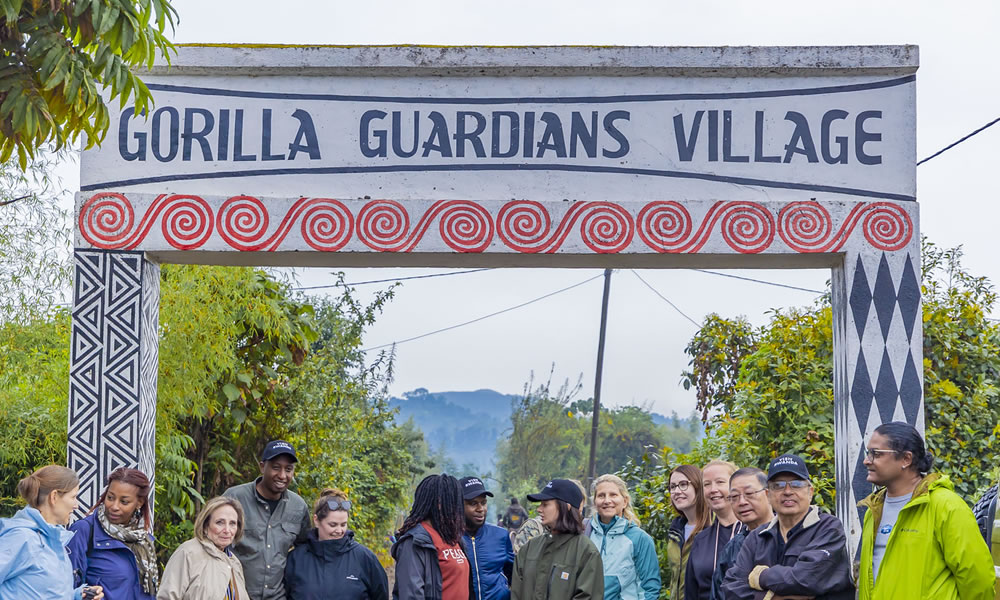
Community-based tourism helps safeguard traditions that might otherwise fade. Dance, music, crafts, storytelling, farming practices, and local knowledge are shared with pride rather than exploited. Communities choose how culture is presented, ensuring authenticity and respect.
This process strengthens cultural identity, especially among younger generations.
Social Development and Community Projects
Tourism revenue often funds shared community projects such as schools, clean water systems, health centers, and savings groups. Cooperative models ensure benefits reach many households rather than a few individuals.
These collective investments improve quality of life and build long-term resilience.
Women and Youth Empowerment
Community tourism creates opportunities for women and young people through employment, leadership roles, and skills training. Women’s cooperatives produce crafts, manage homestays, and lead cultural activities, while youth gain experience as guides, performers, and entrepreneurs.
This inclusion promotes social equity and intergenerational knowledge transfer.
Authentic Experiences for Travelers
For visitors, community-based tourism offers deeper connection and learning. Instead of passive observation, travelers engage in real conversations, shared activities, and mutual exchange. Experiences feel personal, educational, and emotionally meaningful.
Travelers leave with understanding rather than just photographs.
Ethical and Responsible Tourism Practices
Community-based tourism aligns closely with ethical travel principles. It avoids exploitation, ensures consent, and prioritizes fair compensation. Rwanda’s guidelines emphasize dignity, respect, and transparency, making community tourism both responsible and impactful.
Visitors can clearly see how their participation benefits host communities.
Long-Term Sustainability
By diversifying income sources and strengthening local capacity, community-based tourism supports long-term sustainability. Communities become less vulnerable to economic shocks and environmental pressures, while tourism remains low-impact and resilient.
This balance ensures tourism growth does not come at the expense of culture or nature.
Who Benefits Most from Community-Based Tourism
Community-based tourism benefits local families, conservation efforts, cultural heritage, and travelers seeking meaningful experiences. It suits responsible travelers, families, educators, students, and visitors who value impact and authenticity over mass tourism.
Final Insight
Community-based tourism benefits extend far beyond travel experiences. In Rwanda, this model empowers people, protects wildlife, preserves culture, and builds resilient communities. By choosing community-led experiences, travelers become partners in positive change—making tourism a shared journey of growth, respect, and sustainability.