
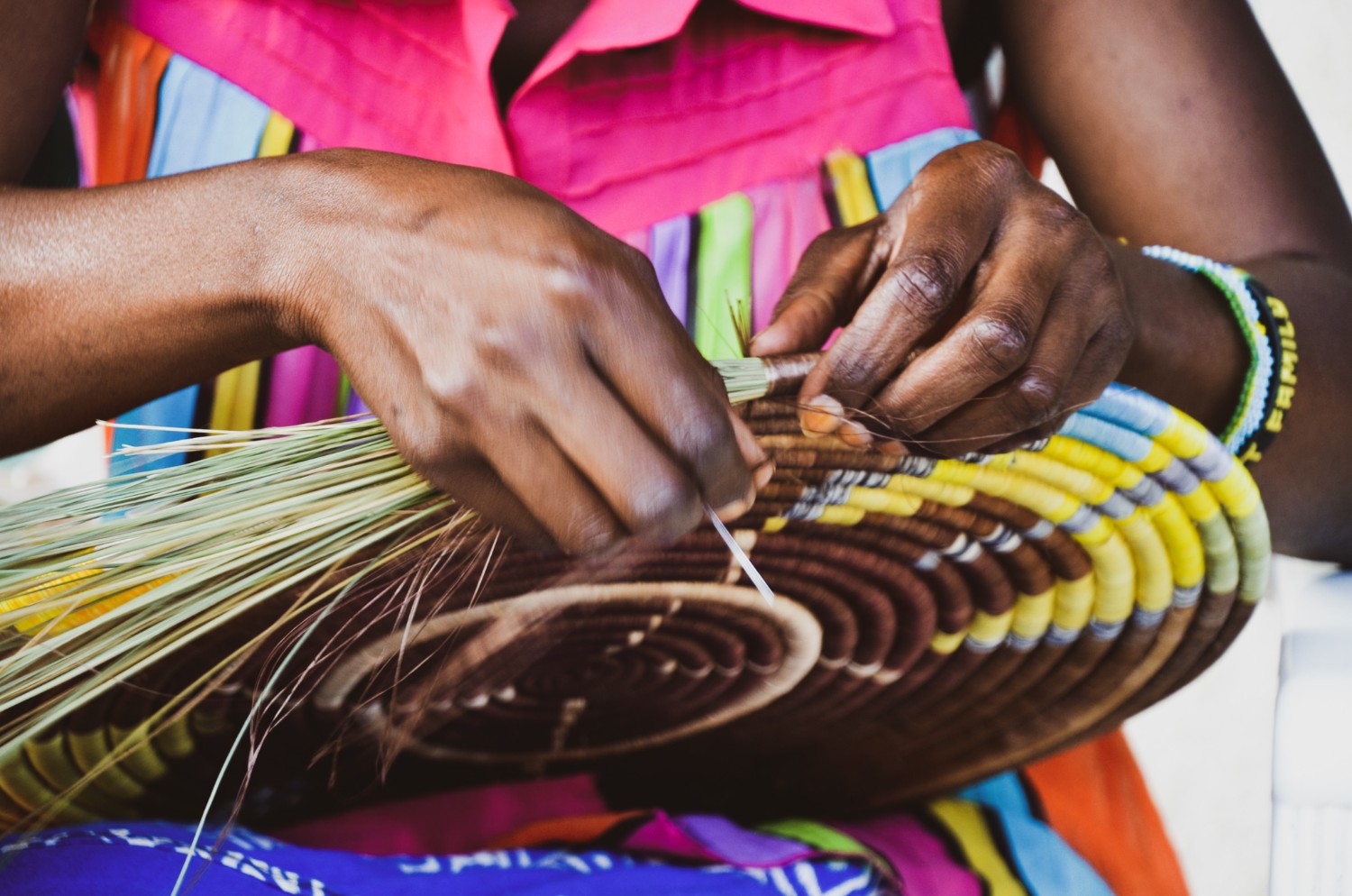
Women’s Cooperatives in Rwanda
Women’s cooperatives in Rwanda play a transformative role in community development, cultural preservation, and sustainable tourism. Across rural and urban areas, women-led cooperatives empower members through shared skills, income generation, and social support, making them a cornerstone of Rwanda’s post-conflict recovery and economic progress.
The Role of Women’s Cooperatives in Rwanda
Women’s cooperatives emerged as vital engines of empowerment, providing women with access to income, education, and collective strength. Through cooperation, women pool resources, share knowledge, and gain bargaining power in local and international markets.
These cooperatives support households, fund education, improve healthcare access, and strengthen community resilience.
Craft and Artisan Cooperatives
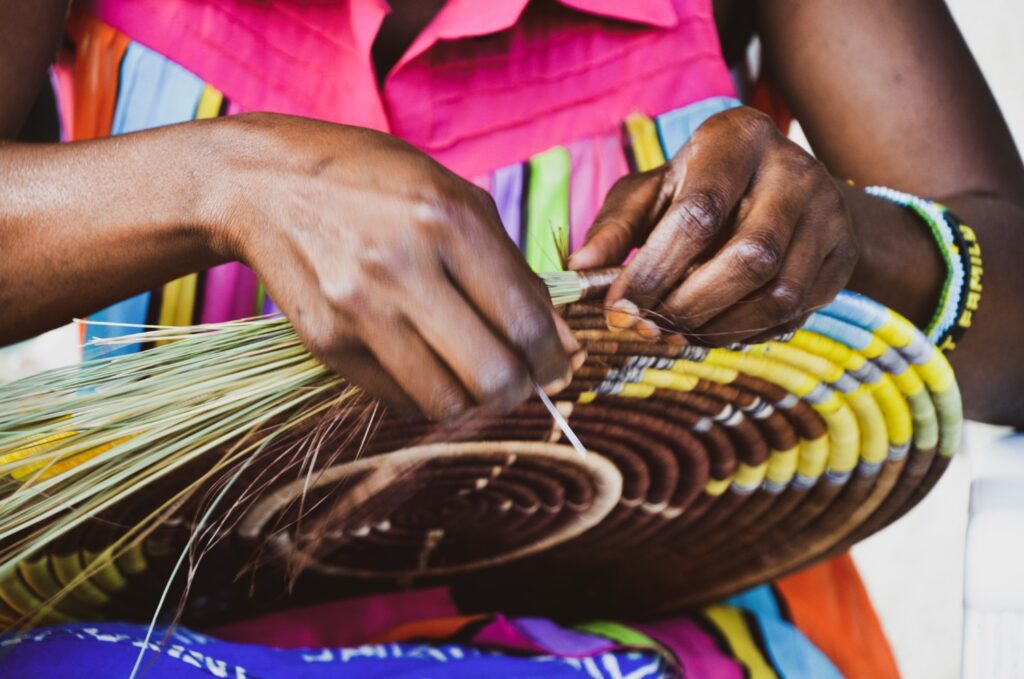
Many women’s cooperatives specialize in traditional crafts such as basket weaving, pottery, beadwork, and textile production. The iconic agaseke peace basket is often produced by women’s groups, symbolizing unity, reconciliation, and cultural pride.
Craft cooperatives preserve traditional skills while adapting designs for modern markets, allowing women to earn sustainable incomes from cultural heritage.
Coffee and Tea Cooperatives Led by Women
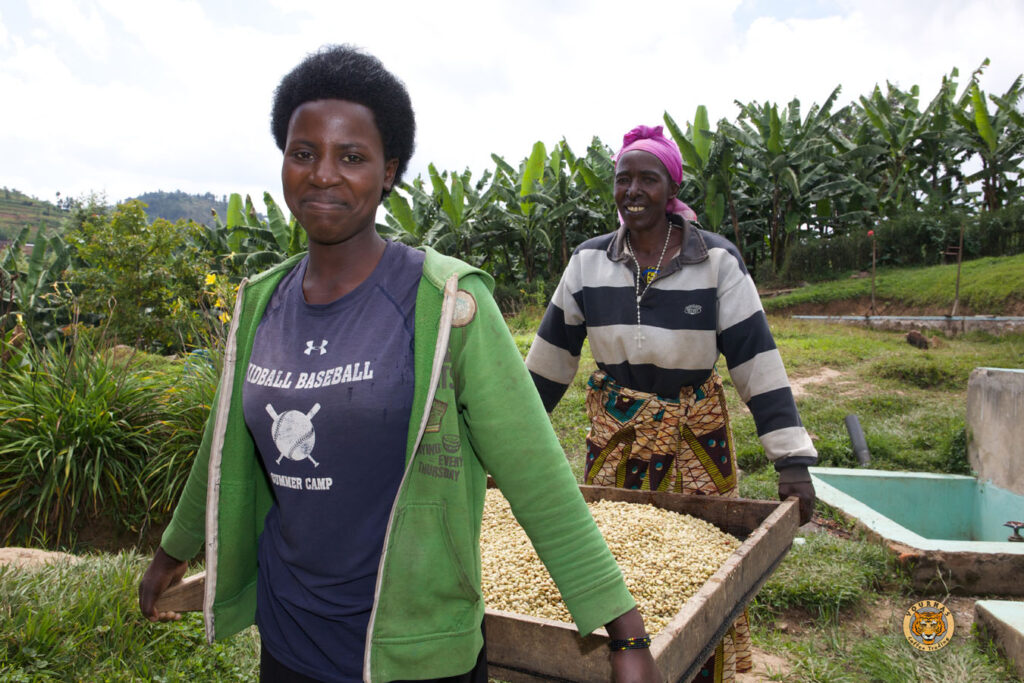
Women also play a growing role in Rwanda’s coffee and tea sectors. Women-led cooperatives manage farms, washing stations, and quality control processes, producing specialty coffee and premium tea recognized globally.
These cooperatives provide training in agronomy, financial literacy, and leadership, helping women move from labor roles into decision-making positions.
Women’s Cooperatives and Tourism
Tourism provides an important market for women’s cooperatives. Around Volcanoes National Park, Nyungwe Forest National Park, and Akagera National Park, cooperatives sell crafts, host demonstrations, and participate in cultural tourism experiences.
Visitors meet artisans, watch production processes, and purchase handmade items directly, ensuring fair compensation and meaningful exchange.
Social Impact Beyond Income
The impact of women’s cooperatives extends beyond earnings. Cooperative membership fosters confidence, leadership skills, and social cohesion. Many groups invest profits into community projects such as schools, clean water access, healthcare initiatives, and savings programs.
These efforts strengthen not only individual families but entire communities.
Training, Education, and Leadership
Women’s cooperatives emphasize skills development and education. Members receive training in business management, product quality, marketing, and cooperative governance. Leadership opportunities within cooperatives help women gain visibility and influence in community decision-making.
This model supports long-term empowerment rather than short-term aid.
How Visitors Can Support Women’s Cooperatives
Travelers support women’s cooperatives by choosing community-led experiences, purchasing crafts directly from cooperatives, participating in workshops, and respecting fair pricing. Visiting cooperative sites allows travelers to understand the stories behind the products and the impact of ethical purchasing.
Small choices make a measurable difference.
Women’s Cooperatives and Ethical Tourism
Women’s cooperatives align closely with ethical and responsible tourism principles. They ensure cultural representation remains authentic, income stays local, and tourism contributes to social equity. Rwanda’s emphasis on women’s empowerment makes these cooperatives a model for inclusive development.
Who Women’s Cooperative Visits Are Best For
These experiences suit travelers interested in culture, social impact, ethical shopping, education, and responsible tourism. They appeal to families, educators, photographers, and visitors seeking deeper connection with Rwanda’s people.
Final Insight
Women’s cooperatives in Rwanda represent strength, resilience, and progress. Through crafts, agriculture, and tourism, Rwandan women are shaping their futures and supporting their communities. Visiting and supporting these cooperatives offers travelers a powerful way to engage with Rwanda’s culture while contributing to lasting positive change.