
Cultural Experiences for Families in Rwanda
Cultural experiences for families in Rwanda offer safe, educational, and engaging ways to explore local traditions together. Designed to be interactive and respectful, these activities allow children and adults to learn through participation—making Rwanda an excellent destination for family-focused cultural travel alongside wildlife safaris. 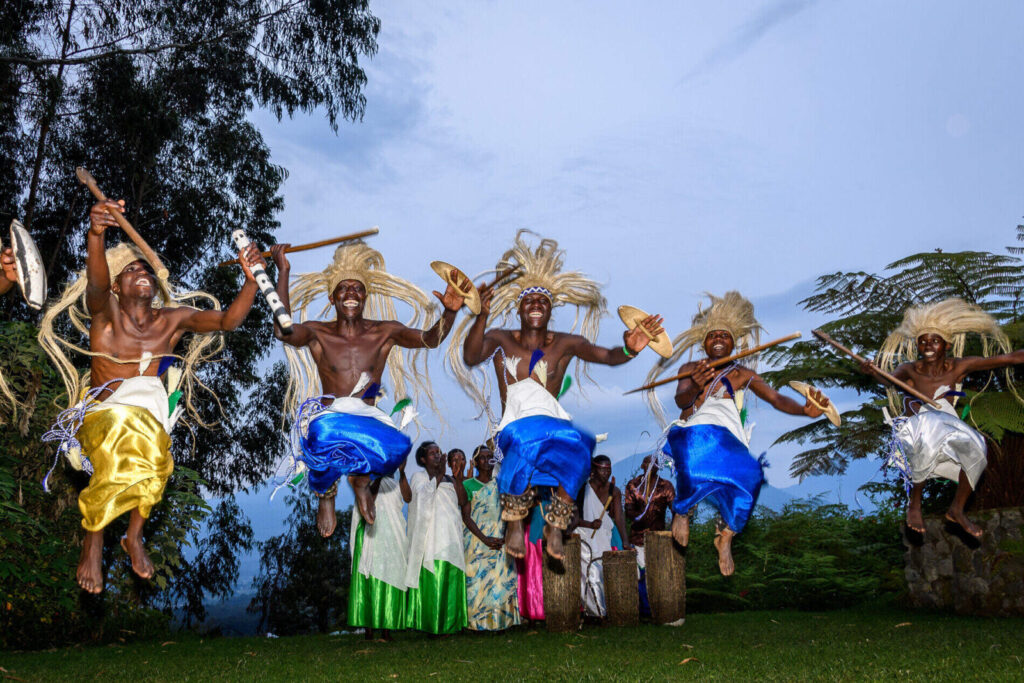
Why Rwanda Is Ideal for Family Cultural Travel
Rwanda is clean, safe, and well organized, with a strong culture of hospitality. Community experiences are structured, guided, and welcoming to children, ensuring families feel comfortable while engaging meaningfully with local life. Short travel distances and flexible activity lengths also suit families with younger travelers.
Cultural Villages Near Volcanoes National Park
Community-led cultural villages near Volcanoes National Park are among the best family-friendly experiences. The Gorilla Guardians Village introduces families to traditional dance, drumming, storytelling, and hands-on activities such as basket weaving and grain grinding—activities that children enjoy and remember.
Similarly, the Iby’Iwacu Cultural Village offers interactive performances and demonstrations that explain culture in simple, engaging ways suitable for all ages.
Traditional Dance and Music for Children
Rwandan traditional dance and drumming captivate children through rhythm, movement, and colorful costumes. Family-friendly performances encourage participation, allowing kids to clap, dance, and learn basic steps while understanding the meaning behind the music.
These experiences build cultural awareness in a joyful, inclusive setting.
Rural Village Walks and Everyday Life
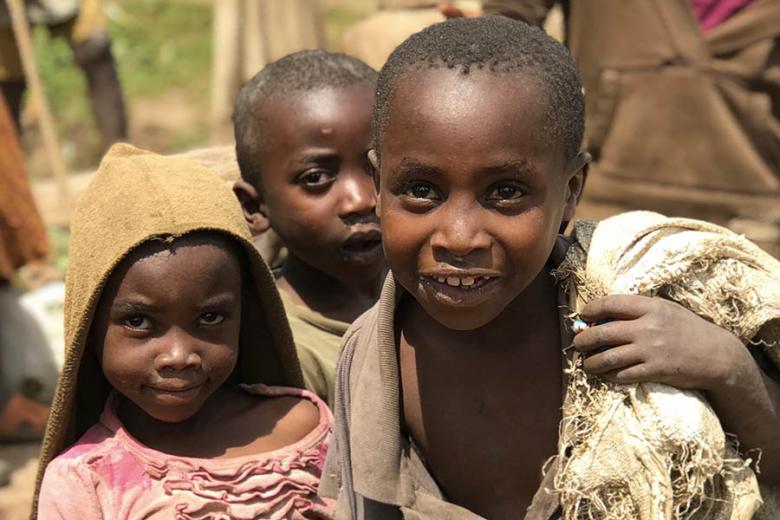
Guided village walks introduce families to rural life at a gentle pace. Children observe farming activities, local schools, livestock care, and home life while guides explain traditions and daily routines in age-appropriate language.
These walks encourage curiosity, empathy, and appreciation for different lifestyles.
Crafts and Creative Activities
Hands-on craft experiences are especially popular with families. Basket weaving, pottery shaping, beadwork, and simple art activities allow children to create souvenirs while learning about traditional skills and symbolism.
Craft sessions often take place within cooperatives, helping families understand how culture supports livelihoods.
Food and Cooking Experiences
Family-friendly food experiences include visiting local markets, learning about fruits and vegetables, and participating in simple cooking demonstrations. Children enjoy tasting local snacks and learning how meals are prepared using fresh ingredients.
Shared meals strengthen cultural connection and introduce young travelers to new flavors in a relaxed environment.
Cultural Experiences Around Other Parks
Near Nyungwe Forest National Park, families explore forest-edge communities, traditional knowledge, and storytelling linked to nature. Around Akagera National Park, cultural visits focus on pastoral traditions and rural life connected to savannah ecosystems.
These experiences balance wildlife viewing with human connection.
Educational Value for Children
Cultural experiences in Rwanda are deeply educational. Children learn about respect, cooperation, conservation, and global citizenship through real-world interaction rather than classroom lessons. Guides adapt explanations to suit different age groups, ensuring learning feels natural and enjoyable.
Best Ages and Practical Tips
Most cultural activities suit children aged five and above, though younger children can still enjoy performances and village walks. Comfortable clothing, curiosity, and respectful behavior are all that’s needed. Parents are encouraged to prepare children by discussing cultural differences and encouraging questions.
Final Insight
Cultural experiences for families in Rwanda create lasting memories built on learning, laughter, and connection. From dancing with local communities and crafting together to sharing meals and stories, families leave with deeper understanding—not just of Rwanda’s culture, but of the values that unite people across the world.