Rwanda Wildlife Safari FAQs
Rwanda wildlife safaris offer a unique blend of primate encounters, savannah game viewing, and conservation-driven travel. Below are the most frequently asked questions by travelers planning a safari in Rwanda, answered clearly to help you plan with confidence.
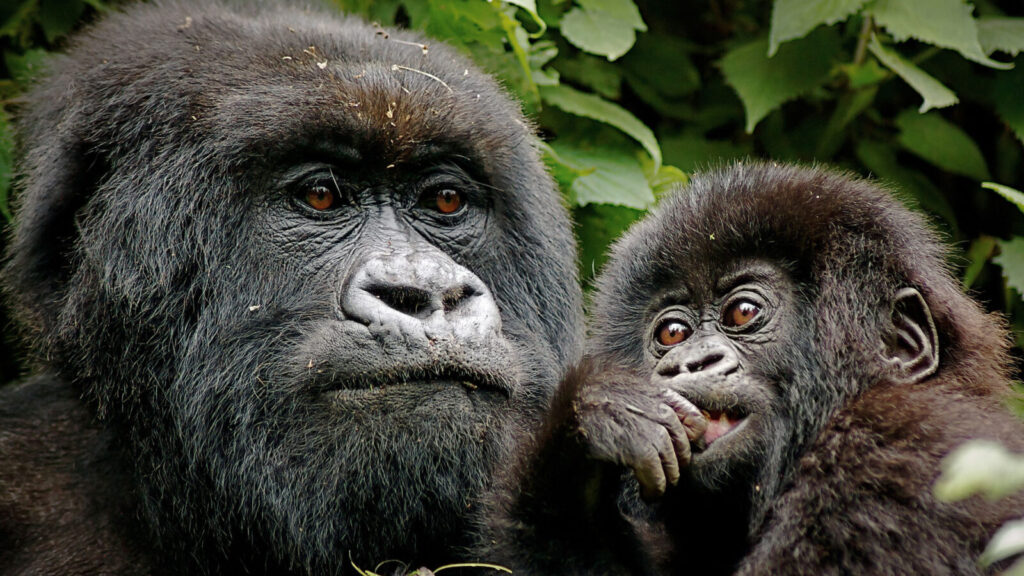
What Wildlife Can I See on a Rwanda Safari?
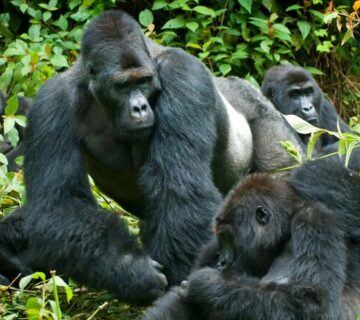
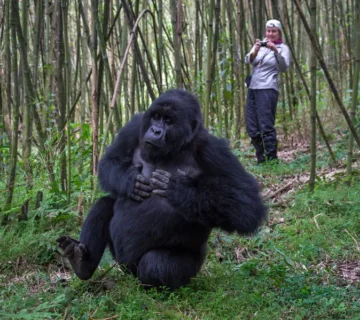
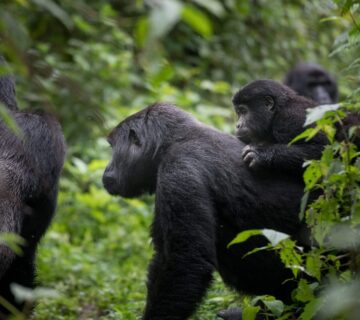
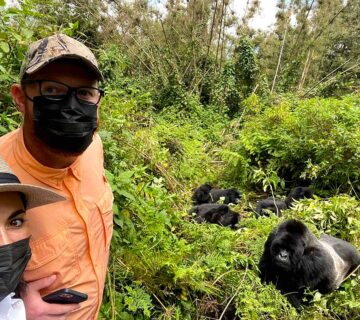
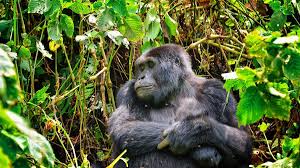
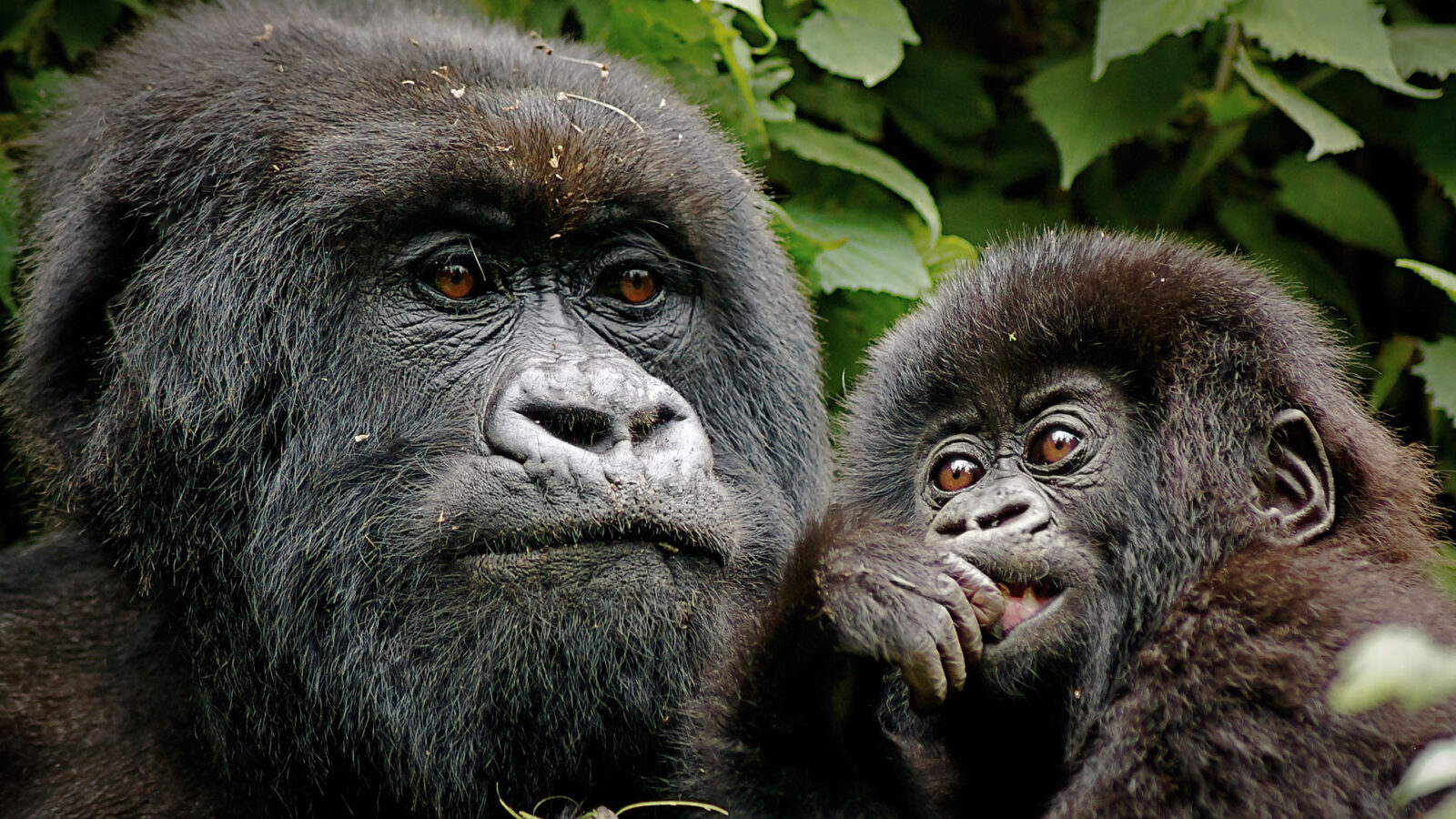
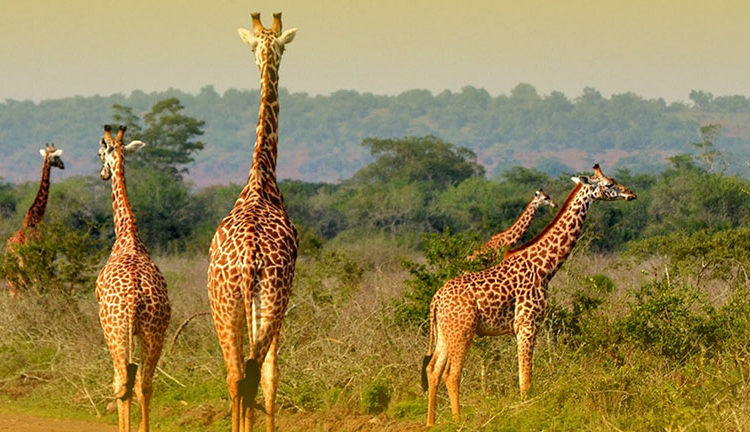
Rwanda’s wildlife includes mountain gorillas, chimpanzees, golden monkeys, Big Five species, antelope, and rich birdlife. Gorilla trekking takes place in Volcanoes National Park, chimpanzees are found in Nyungwe Forest National Park, and classic savannah wildlife including lions, elephants, rhinos, buffaloes, and giraffes are seen in Akagera National Park.
Is Rwanda Good for a First-Time Safari?
Yes. Rwanda is one of the most beginner-friendly safari destinations in Africa. The country is safe, well-organized, and easy to navigate. Parks are close together, guides are highly professional, and safari activities are well regulated, making Rwanda ideal for first-time safari travelers.
When Is the Best Time to Go on a Rwanda Wildlife Safari?
Rwanda offers year-round safari experiences. The dry seasons from June to September and December to February are best for gorilla trekking, game drives, and photography due to better trail conditions and wildlife visibility. The wetter months provide lush scenery, fewer visitors, and excellent birding.
Do I Need a Permit for Gorilla or Chimpanzee Trekking?
Yes. Gorilla trekking and chimpanzee trekking require advance permits issued by Rwanda’s wildlife authorities. Permits are limited per day to protect wildlife and ensure quality experiences, so early booking is essential, especially during peak seasons.
How Physically Demanding Is a Rwanda Safari?
Physical demands vary by activity. Gorilla and chimpanzee trekking involve hiking through forest terrain and require moderate fitness. Akagera game drives and boat safaris are relaxed and suitable for all ages. Travelers can tailor itineraries to match fitness levels and interests.
How Safe Are Wildlife Safaris in Rwanda?
Rwanda is considered one of Africa’s safest safari destinations. National parks are well protected, activities are guided by trained professionals, and strict safety rules are enforced. Rangers accompany primate treks, and safari vehicles operate under clear wildlife safety guidelines.
Can I Combine Gorilla Trekking with a Savannah Safari?
Yes. Rwanda is ideal for combining gorilla trekking with Big Five game drives. Many itineraries pair Volcanoes National Park with Akagera National Park, offering both rainforest and savannah experiences in a single trip with minimal travel time.
Is Rwanda Safari Suitable for Families?
Rwanda safaris can suit families, especially in Akagera National Park where game drives and boat safaris are accessible. Gorilla trekking has minimum age requirements, but families can still enjoy cultural visits, nature walks, and wildlife viewing tailored to younger travelers.
How Many Days Do I Need for a Rwanda Wildlife Safari?
A short Rwanda safari can be done in three to five days, focusing on gorilla trekking alone. A more complete wildlife experience combining gorillas, chimpanzees, and savannah wildlife typically requires seven to ten days. Rwanda’s compact size allows efficient use of time.
What Makes Rwanda Different from Other Safari Destinations?
Rwanda emphasizes low-volume, high-value tourism and conservation impact. Wildlife encounters are intimate, parks are uncrowded, and tourism revenue directly supports conservation and local communities. This creates meaningful safari experiences rather than mass tourism.
Final Insight
Rwanda wildlife safari FAQs highlight a destination built on conservation success, safety, and unforgettable encounters. Whether tracking mountain gorillas, exploring ancient rainforests, or enjoying Big Five game drives, Rwanda offers a refined safari experience that rewards thoughtful planning and curious travelers.