Nyungwe Forest Wildlife Overview
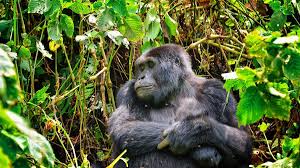
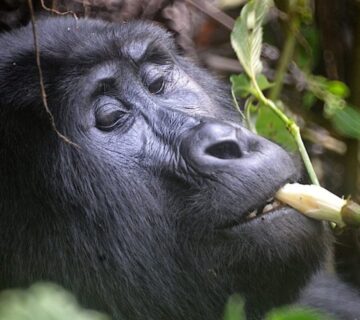
Wildlife in Nyungwe Forest National Park reflects one of Africa’s oldest and most biologically rich montane rainforests. Located in southwestern Rwanda, Nyungwe protects a vast ecosystem of dense forest, valleys, and ridges that support an extraordinary diversity of primates, mammals, birds, butterflies, and plant species.
What Makes Nyungwe’s Wildlife Unique
Nyungwe is dominated by forest-dependent species rarely seen in savannah parks. Its age, altitude, and continuous canopy create ideal conditions for primates and endemic birdlife. Unlike open grassland parks, wildlife sightings here rely on tracking, patience, and sound—making encounters immersive and deeply rewarding.
The forest plays a critical role in regional biodiversity and water catchment, feeding major river systems in East and Central Africa.
Primate Species in Nyungwe Forest
Nyungwe is Rwanda’s premier primate destination. The park is home to 13 primate species, making it one of the richest primate forests in Africa. Chimpanzees are the main attraction, living in large, vocal communities that roam widely through the forest canopy.
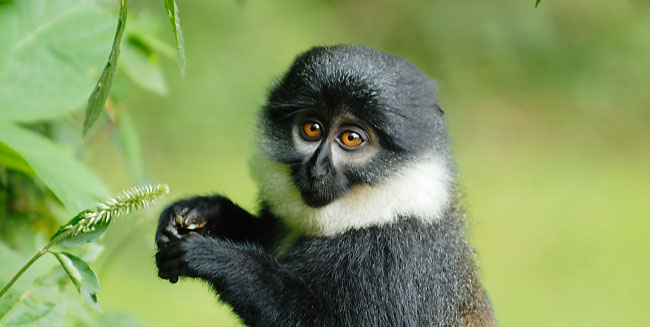
Other notable primates include black-and-white colobus monkeys, often seen in large troops, as well as L’Hoest’s monkeys, blue monkeys, grey-cheeked mangabeys, olive baboons, and red-tailed monkeys. These species contribute to Nyungwe’s reputation as a primate research and conservation hotspot.
Mammals Beyond Primates
While primates dominate, Nyungwe also supports a range of forest mammals. These include forest elephants, though sightings are rare due to dense vegetation, as well as serval cats, genets, civets, and mongooses. Smaller mammals such as duikers, bush pigs, and rodents are more frequently encountered along forest trails.
Most mammals are shy and adapted to forest cover, making expert guiding essential for successful wildlife encounters.
Birdlife of Nyungwe Forest
Nyungwe is one of East Africa’s most important birding destinations, with over 300 recorded bird species. The forest is particularly famous for Albertine Rift endemics, species found nowhere else on Earth.
Highlights include the Ruwenzori turaco, red-collared mountain babbler, grauer’s swamp warbler, and numerous sunbirds, greenbuls, and forest hornbills. Birdwatching here rewards both casual visitors and serious birders willing to explore different altitudes and habitats.
Reptiles, Amphibians, and Insects
Nyungwe’s humid environment supports diverse reptiles and amphibians, including chameleons, frogs, and forest lizards. Butterflies are especially abundant, with colorful species adding movement and vibrancy along trails and forest clearings.
Insect life plays a crucial role in pollination and forest health, forming the foundation of Nyungwe’s complex ecosystem.
Wildlife Viewing Experiences
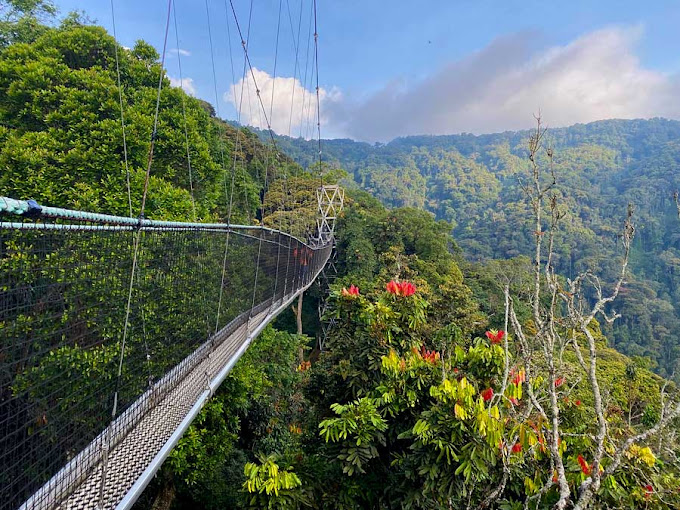
Wildlife viewing in Nyungwe takes place primarily through guided forest walks, chimpanzee trekking, and canopy walks. The canopy walk offers a unique elevated perspective, allowing visitors to observe birds and primates moving through the treetops while enjoying panoramic forest views.
Early morning outings provide the best chances for primate activity and bird calls, while quieter midday walks focus on forest ecology and plant life.
Conservation Importance of Nyungwe
Nyungwe Forest National Park is one of Rwanda’s most important conservation areas. Its protection safeguards biodiversity, supports climate regulation, and sustains water sources vital to millions of people downstream. Ongoing research, ranger patrols, and community involvement ensure the forest remains intact for future generations.
Final Insight
Nyungwe Forest’s wildlife represents Rwanda’s wild heart—ancient, complex, and alive with sound and movement. From chimpanzee communities and diverse monkey species to rare birds and hidden forest mammals, Nyungwe offers a deeply immersive wildlife experience that contrasts beautifully with Rwanda’s savannah and volcanic landscapes.