Akagera Conservation Success Story
The story of Akagera National Park stands as one of Africa’s most remarkable conservation turnarounds. Once facing severe degradation and wildlife loss, Akagera has been transformed into a thriving Big Five safari destination through strong protection, community partnership, and long-term conservation vision.
Akagera’s Past Challenges
In the years following regional instability and human pressure, Akagera suffered widespread habitat destruction, poaching, and declining wildlife populations. Large mammals disappeared, predators vanished, and the park’s future looked uncertain. Encroachment, illegal grazing, and weak enforcement pushed the ecosystem close to collapse.
By the early 2000s, Akagera had lost much of its former wildlife richness, and confidence in its long-term survival was low.
The Turning Point in Conservation
Akagera’s recovery began with a decisive shift toward professional park management and strict protection. A clear conservation strategy focused on restoring security, rebuilding habitats, and re-establishing key species essential for a balanced savannah ecosystem.
Strong law enforcement, modern ranger training, and improved monitoring systems drastically reduced poaching. Park boundaries were reinforced, and wildlife corridors and water systems were protected to support natural recovery.
Reintroduction of Key Wildlife Species
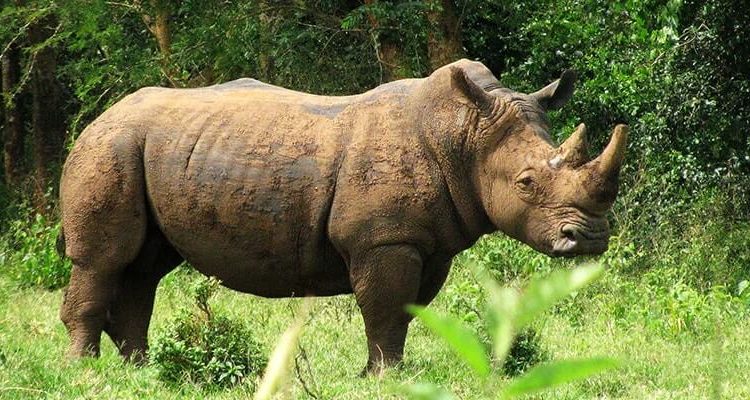
One of the most visible milestones in Akagera’s conservation success was the reintroduction of lions and rhinos. These carefully planned translocations restored the park’s ecological balance and returned Akagera to full Big Five status.
Lions reclaimed their role as apex predators, regulating herbivore populations and strengthening ecosystem health. Rhinos, under intensive protection, symbolized the park’s renewed conservation credibility and commitment to long-term wildlife security.

Community Involvement and Local Benefits
Community partnership played a central role in Akagera’s revival. Local communities surrounding the park became stakeholders rather than adversaries. Revenue sharing, employment opportunities, education programs, and human-wildlife conflict mitigation helped build local support for conservation.
Tourism growth created jobs for guides, rangers, lodge staff, and service providers, ensuring that conservation success translated into tangible benefits for neighboring communities.
Tourism as a Conservation Tool
Sustainable tourism has become a powerful driver of Akagera’s protection. Carefully managed game drives, boat safaris, and night drives generate revenue that directly supports park operations, ranger salaries, and wildlife monitoring.
Low visitor density ensures minimal environmental impact while maintaining high-quality safari experiences. Every visitor contributes to the ongoing protection of wildlife and habitats.
Measurable Conservation Results
Today, Akagera supports stable and growing populations of elephants, buffaloes, giraffes, zebras, antelope, predators, and diverse birdlife. Poaching incidents have dropped dramatically, wildlife sightings have increased, and the park functions once again as a complete savannah ecosystem.
Akagera’s recovery now serves as a model for conservation across the region, demonstrating what is possible with long-term commitment and effective management.
Why Akagera’s Story Matters
Akagera proves that conservation success is achievable even in landscapes under pressure. It highlights the importance of collaboration between government, conservation professionals, and local communities. Most importantly, it shows that wildlife recovery and economic development can coexist.
Final Insight
The Akagera conservation success story is a powerful reminder that African wildlife can rebound when protected with vision, discipline, and community support. From near collapse to Big Five status, Akagera now stands as one of Rwanda’s greatest conservation achievements and a shining example for protected areas across Africa.