How to Plan a Kilimanjaro Climbing Safari
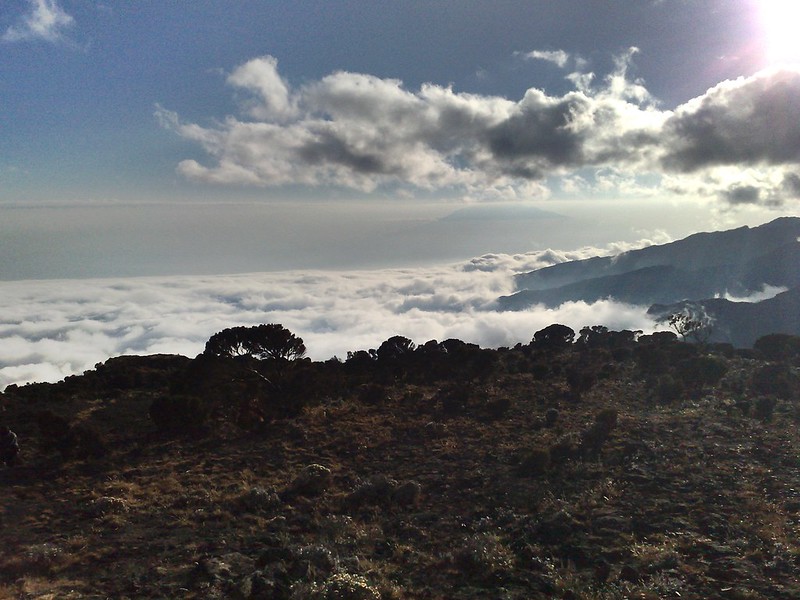
Climbing Mount Kilimanjaro, Africa’s tallest peak, is an extraordinary adventure that combines physical challenge with breathtaking landscapes, from tropical forests to alpine deserts and the glaciated summit. Proper planning is essential to ensure safety, maximize enjoyment, and integrate the climb into a broader Tanzanian safari experience. A well-organized Kilimanjaro climbing safari allows travelers to witness dramatic scenery, engage with local culture, and explore Tanzania’s wildlife-rich national parks.
Choosing the Right Route
Kilimanjaro offers several routes, each with distinct characteristics. The most popular routes include Marangu, Machame, Lemosho, Rongai, Shira, and Umbwe. Marangu, often called the “Coca-Cola route,” is considered moderate with hut accommodation. Machame, known as the “Whiskey route,” is more scenic and challenging with camping along the way. Lemosho and Shira routes approach from the west, providing stunning vistas and better acclimatization due to longer trekking days. Rongai starts from the north, offering drier conditions, while Umbwe is short and steep, suited for experienced climbers. Selection depends on desired difficulty, scenery, group size, and acclimatization strategy.
Timing Your Climb
The best times to climb Kilimanjaro are during the dry seasons—from late June to October and from late December to February. These periods offer stable weather, clearer skies, and lower risk of rain, enhancing safety and summit visibility. Climbing outside these months increases the likelihood of wet, slippery conditions and colder temperatures near the summit, though experienced climbers may still attempt the ascent with proper preparation.
Acclimatization and Health Considerations
Altitude acclimatization is critical to reduce the risk of Acute Mountain Sickness (AMS). Longer routes with gradual elevation gain, such as Lemosho or Machame, increase success rates by allowing the body to adjust. Climbers should plan for 5–9 days on the mountain, depending on route choice. Hydration, proper nutrition, adequate rest, and slow pacing are essential. Consulting a medical professional before the climb is recommended, especially for individuals with pre-existing health conditions. Carrying medications for altitude sickness and first aid supplies is advised.
Essential Gear and Packing
Packing appropriate gear ensures safety, comfort, and success. Key items include:
-
Layered clothing suitable for tropical, alpine, and sub-zero temperatures
-
Waterproof jackets and pants
-
Sturdy, well-broken-in hiking boots
-
Thermal gloves, hats, and socks
-
Trekking poles for stability
-
Sleeping bags rated for cold conditions
-
Headlamps and spare batteries
-
Sunglasses and sunscreen for UV protection
-
Water bottles and hydration systems
-
High-energy snacks and personal medication
Luggage is typically carried by porters, allowing climbers to focus on trekking with minimal load.
 Hiring Guides and Porters
Experienced guides and support staff are essential for safety and logistics. Kilimanjaro National Park regulations require climbers to hire licensed guides, and most trekking companies provide porters and cooks. Guides assist with navigation, monitor health, provide educational commentary on flora and fauna, and maintain communication with park authorities. Porters carry equipment, set up camps, and prepare meals, allowing climbers to focus on the ascent and acclimatization.
Integrating a Safari Experience
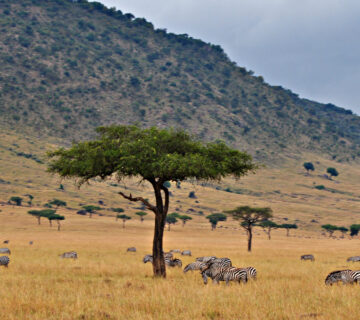
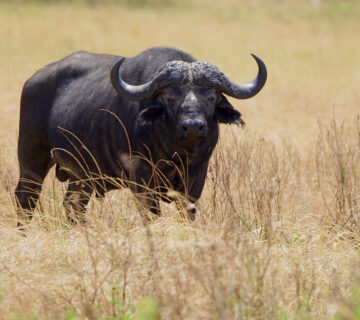
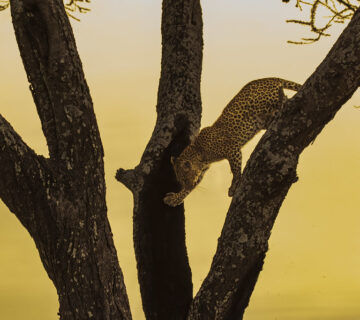
A Kilimanjaro climbing safari can be combined with wildlife safaris in Tanzania’s iconic parks such as Serengeti, Ngorongoro Crater, Tarangire, and Lake Manyara. Many itineraries include 2–5 days of climbing followed by a safari adventure. This combination allows travelers to experience both high-altitude adventure and abundant wildlife, including elephants, lions, leopards, giraffes, and abundant birdlife. Lodges near Kilimanjaro International Airport or at the base of the mountain can facilitate smooth transitions between climbing and safari activities.
Budgeting and Permits
Climbing Kilimanjaro involves permits, park fees, and professional support costs. Park entry and camping/hut fees vary by route and duration, typically forming the bulk of expenses. Trekking companies include guides, porters, meals, and equipment logistics in package prices. Budgeting should also account for flights, safari accommodation, gear, tips, and optional excursions. Booking in advance is recommended, particularly during peak climbing seasons, to secure desired routes and accommodations.
Safety Guidelines
Prioritizing safety is paramount. Always follow guides’ instructions, respect altitude limits, pace yourself, and communicate any health issues promptly. Avoid alcohol and smoking during the climb. Ensure travel insurance covers high-altitude trekking and emergency evacuation. Being aware of weather forecasts, avalanche risks (rare but possible near glaciers), and sudden temperature drops improves safety and overall success.
Training and Fitness Preparation
Physical preparation enhances both enjoyment and summit success. Climbers should engage in cardiovascular training, endurance hikes, and strength conditioning in the months leading up to the trek. Practicing with weighted backpacks, stair climbing, and multi-day hikes simulates the conditions of Kilimanjaro and builds stamina. Mental preparation is equally important, as summit day can be physically and psychologically demanding.
Crafting a Memorable Climbing Safari
Planning a Kilimanjaro climbing safari requires careful attention to logistics, health, and experience. Choosing the right route, preparing for altitude, packing essential gear, and integrating professional support ensures a safe and rewarding climb. Combining the adventure with Tanzania’s renowned wildlife safaris transforms the journey into a multi-faceted African expedition, allowing travelers to experience the majesty of Mount Kilimanjaro alongside some of the continent’s most iconic wildlife and landscapes.