Wildlife Observation Tips for Uganda’s Forests and Parks
Observing wildlife in Uganda offers a once-in-a-lifetime experience, from the dense forests of Bwindi and Kibale to the open savannahs of Queen Elizabeth and Murchison Falls National Park. Whether spotting gorillas, lions, elephants, or rare birds, careful planning, knowledge of animal behavior, and respect for habitats can dramatically enhance your safari experience. Here are key tips to help visitors make the most of wildlife observation in Uganda.
Timing and Patience
Wildlife activity is often linked to the time of day. Early mornings and late afternoons are generally the best for observing animals, as many species are most active during cooler hours. Being patient is critical; some animals, like leopards and forest primates, may remain hidden for long periods. Moving slowly and remaining silent allows wildlife to emerge naturally and increases the chances of sightings.
Understanding Animal Habits
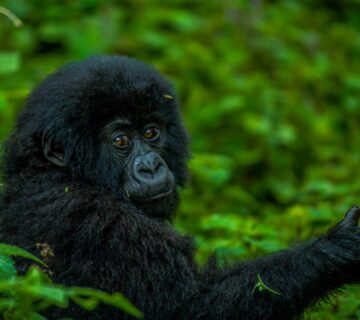
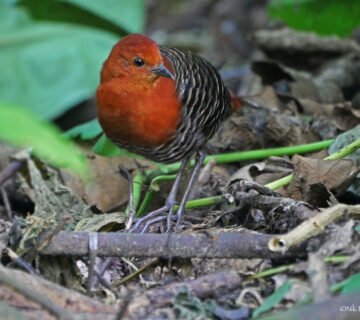
Learning about the behavior and habitats of target species improves observation success. Gorillas and chimpanzees are more visible during their feeding and socializing periods, while savannah predators such as lions and leopards are often active around water sources during dry seasons. Birds are most noticeable during their morning calls or feeding routines. Guides provide valuable insight into where and when to find specific species.
Use of Equipment
Binoculars, spotting scopes, and cameras are essential tools. High-quality binoculars allow you to observe animals without disturbing them, while telephoto lenses are ideal for photographing wildlife from a safe distance. For forest primates, higher ISO camera settings help capture images in lower light conditions, whereas open savannahs allow for faster shutter speeds and wider compositions.
 Staying Quiet and Minimizing Disturbance
Minimizing noise and movement is crucial. Loud talking, sudden gestures, or flashing lights can startle animals and cause them to retreat. Following guide instructions ensures that your presence has minimal impact. In forested areas, avoid touching vegetation or leaving trails off marked paths, preserving both the habitat and the natural behaviors of wildlife.
Observing Safety Practices
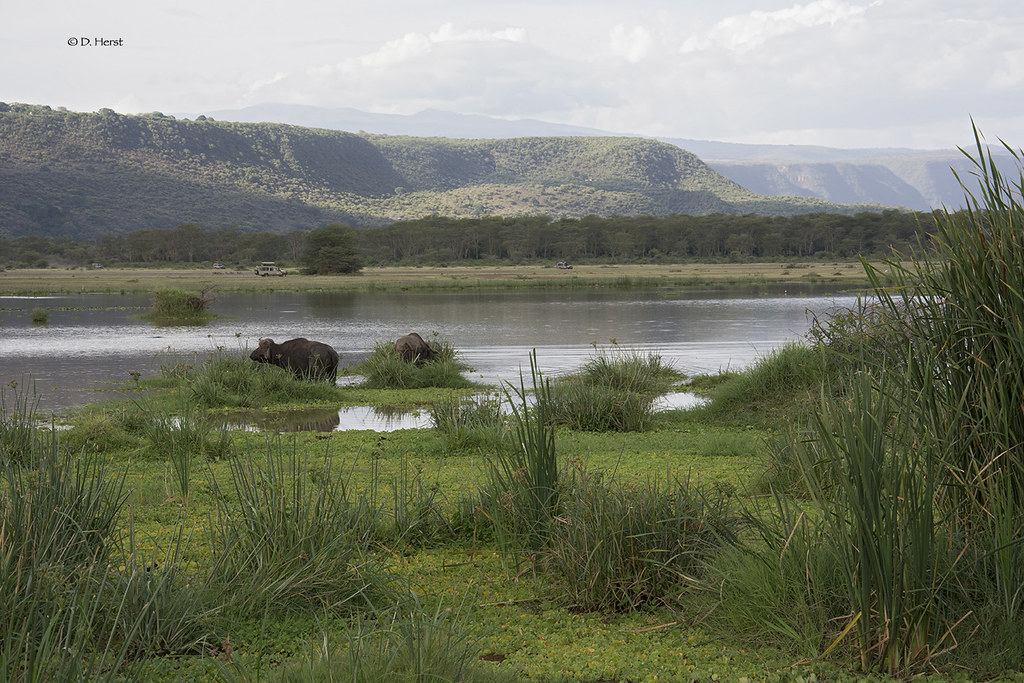
Safety is paramount when observing wildlife. Maintain safe distances, especially from large mammals such as elephants, hippos, and predators. Do not attempt to approach, feed, or provoke any animals. Wearing neutral-colored clothing helps blend into natural surroundings, reducing the likelihood of startling wildlife. For treks, sturdy footwear, walking sticks, and protective gear may be necessary, particularly in dense forest or wet conditions.
Seasonal Considerations
Seasons influence both wildlife behavior and viewing conditions. Dry seasons (December–February, June–September) often provide easier access to parks, concentrated wildlife near water sources, and clear trails. Wet seasons (March–May, October–November) create lush scenery, abundant bird activity, and active primates, though trails may be slippery and some areas more challenging to navigate. Choosing the right season depends on species of interest and preferred park terrain.
Working with Experienced Guides
Professional guides are invaluable for successful wildlife observation. Their knowledge of animal habits, tracks, and signs can greatly increase sighting opportunities. Guides also enforce ethical practices, ensure safety, and enrich the experience with educational insights about species behavior, ecology, and conservation efforts.
Ethical Observation Practices
Responsible wildlife observation supports conservation. Avoid littering, respect park rules, and maintain distance from animals. In primate habitats, follow specific guidelines such as wearing masks for gorilla treks, sanitizing hands, and limiting group sizes. Responsible tourism helps protect Uganda’s biodiversity while ensuring that wildlife experiences remain sustainable and rewarding.
Combining Forest and Savannah Experiences
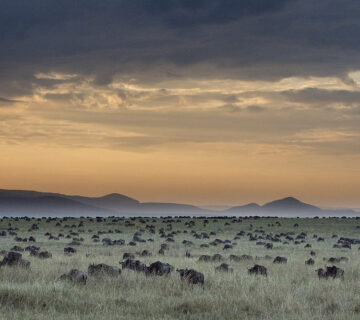
Integrating multiple habitats enhances wildlife observation. Forest walks, primate trekking, and canopy tours can be combined with savannah game drives, wetland boat safaris, and birdwatching excursions. This approach provides a complete understanding of Uganda’s ecological diversity and maximizes the chance of encountering a wide range of species.
Making the Most of Uganda’s Wildlife
Effective wildlife observation in Uganda requires preparation, patience, and respect for nature. By understanding animal behavior, using appropriate equipment, adhering to safety and ethical practices, and working with knowledgeable guides, travelers can experience Uganda’s forests and parks to their fullest. From the dense rainforests of primates to the expansive savannahs teeming with big game, thoughtful observation ensures memorable and sustainable encounters with Africa’s extraordinary wildlife.