Tracking Uganda’s Elusive Leopards
Leopards are Africa’s stealthiest big cats, and Uganda provides a rare opportunity to observe these elusive predators in their natural habitats. Known for their secretive behavior, solitary lifestyle, and nocturnal habits, leopards are often the highlight of wildlife safaris for adventurers and photographers seeking rare sightings. Tracking leopards requires patience, local expertise, and knowledge of their preferred ecosystems, making each encounter a memorable experience.
Prime Leopard Habitats in Uganda
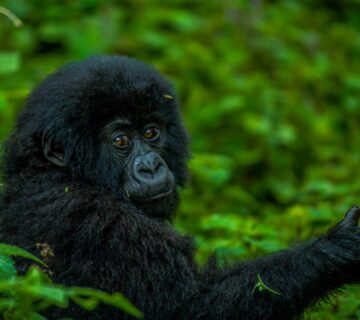
Leopards inhabit a wide range of Ugandan ecosystems, from dense forests and rocky outcrops to open savannahs. Queen Elizabeth National Park’s Ishasha sector, famous for tree-climbing lions, is also an excellent leopard habitat, with riverine forests, thickets, and rocky outcrops ideal for stalking prey. Murchison Falls National Park offers dense woodland and riparian forests where leopards roam along rivers and floodplains. Kidepo Valley National Park, Uganda’s most remote park, provides rugged hills and acacia savannahs that serve as ideal hunting grounds, with minimal human disturbance. Forest leopards in Bwindi Impenetrable Forest and Mgahinga Gorilla National Park are rarer, often inhabiting steep montane forests and bamboo thickets alongside other wildlife.
Understanding Leopard Behavior
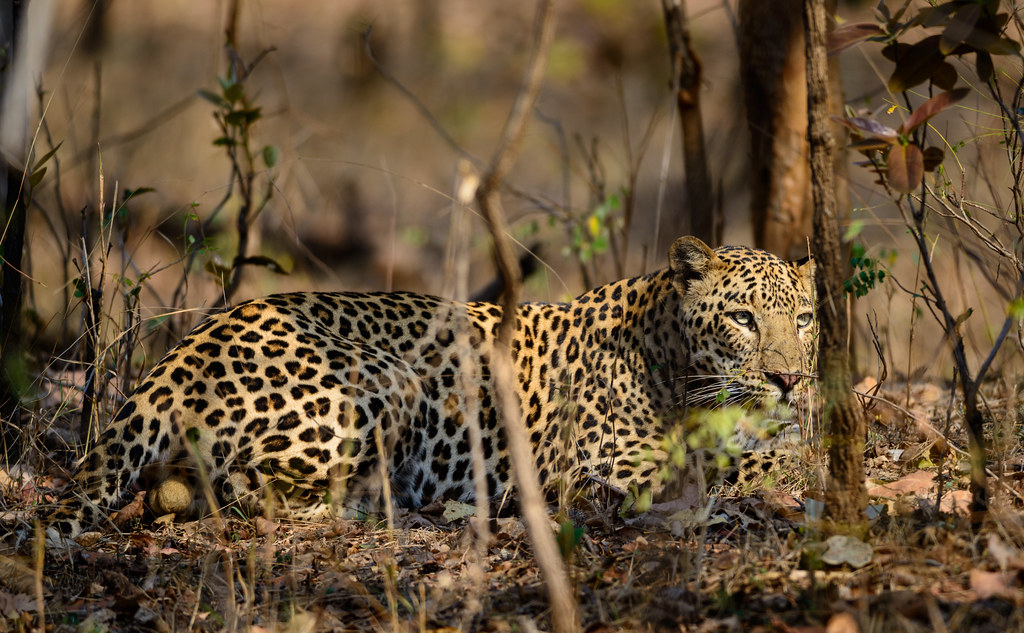
Knowledge of leopard behavior is essential for tracking. Leopards are primarily solitary and territorial, with defined home ranges. They are mostly nocturnal but may be active during early mornings or late afternoons, often resting in trees or dense vegetation during the day. Leopards store kills in trees to protect them from scavengers and mark territories using scent, scratch marks, and vocalizations. Understanding these patterns allows guides to anticipate movements and improve chances of sightings.
Techniques for Leopard Tracking
Tracking leopards relies on a combination of expertise and patience. Guides look for signs such as paw prints, scat, scratch marks, and recent kills to locate the cats. Observers may need to remain stationary for long periods, using binoculars and spotting scopes to detect movement in dense vegetation. Vehicles are positioned carefully to minimize disturbance, and guided bush walks in savannahs or forests may reveal tracks or resting sites. Night drives, when permitted, enhance the likelihood of spotting these nocturnal predators, using low-intensity lighting to avoid startling them.
Photographic Opportunities
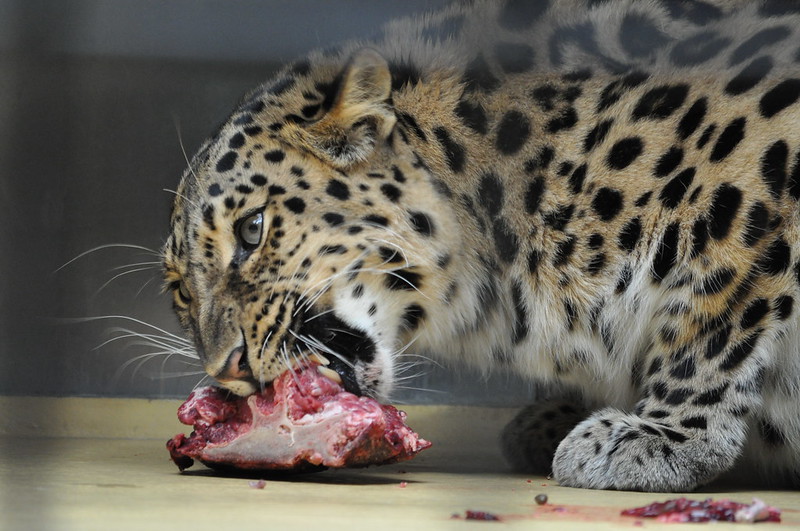
Leopard photography presents both challenges and rewards. Their secretive nature and camouflaged coats make early morning and late afternoon light ideal for capturing dramatic images. Photographers benefit from long telephoto lenses, high ISO capabilities for low-light conditions, and patience to capture leopards resting in trees, stalking prey, or moving across rocky terrain.
Seasonal Considerations for Leopard Sightings
Seasonality impacts both leopard behavior and tracking conditions. During dry seasons, prey tends to congregate near water sources, making leopards easier to locate, while trails are more navigable. Wet seasons create dense vegetation that provides cover, making leopards harder to spot, though photography is enhanced by lush landscapes and flowing rivers. Each season offers unique advantages for safari planning.
Safety and Ethical Guidelines
Leopard tracking prioritizes visitor safety and animal welfare. Maintaining a safe distance, following guide instructions, and avoiding loud noises, sudden movements, or flash photography are essential. Supporting park initiatives and community-based conservation programs helps protect leopard habitats, ensuring sustainable and ethical wildlife tourism.
Enhancing the Safari Experience
Leopard tracking can be combined with other safari activities to create a comprehensive wildlife experience. Visitors often pair leopard sightings with encounters with lions, elephants, hippos, buffalo, and primates. Walking safaris, river boat trips, and birdwatching excursions complement big cat observations, offering a holistic understanding of Uganda’s ecosystems.
Conservation Importance
Leopards are a critical component of Uganda’s biodiversity. By maintaining prey populations, regulating smaller predators, and balancing ecosystems, they play an important ecological role. Tourism revenue supports anti-poaching patrols, habitat protection, and community engagement initiatives, highlighting the link between ethical wildlife viewing and conservation success.
The Allure of Uganda’s Leopards
Tracking leopards in Uganda is an exhilarating safari experience, combining suspense, skill, and awe-inspiring encounters. By venturing into forests, savannahs, and remote wilderness areas, following expert guides, and adhering to ethical practices, travelers can witness these elusive big cats in their natural habitats, creating unforgettable memories while supporting the preservation of one of Africa’s most mysterious predators.