Uganda’s Rare Reptiles and Amphibians for Wildlife Fans
Uganda’s rich biodiversity extends far beyond its iconic mammals and birds, encompassing a remarkable variety of reptiles and amphibians. From riverine crocodiles to forest-dwelling chameleons and colorful frogs, these lesser-known species play vital ecological roles and offer unique experiences for wildlife enthusiasts, herpetologists, and eco-tourists.
Crocodiles and Turtles: River and Lake Residents
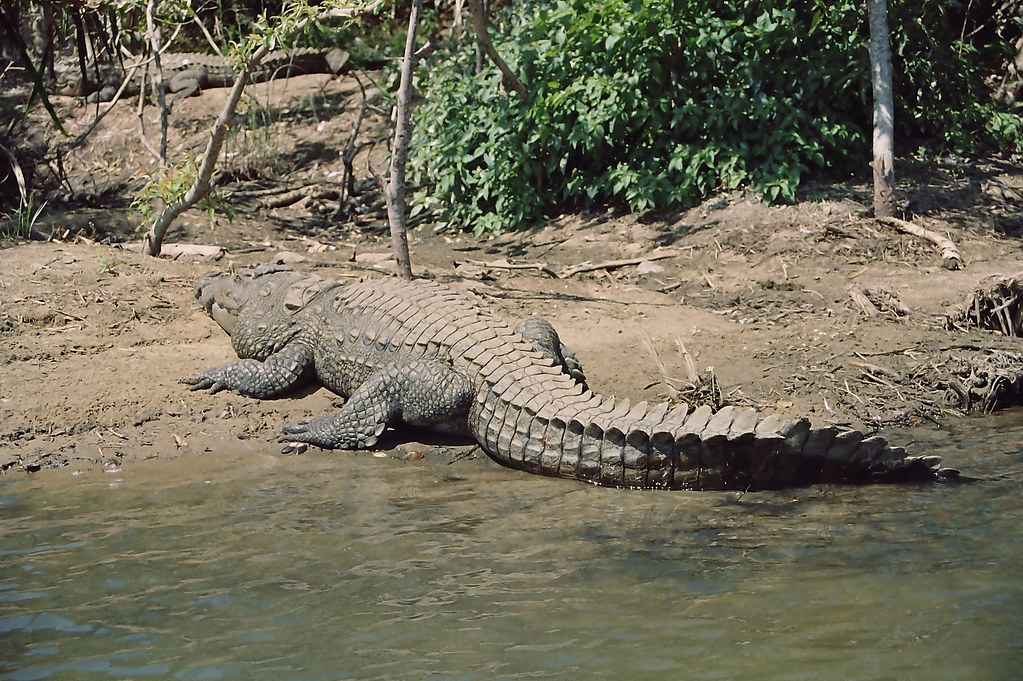
Nile crocodiles are perhaps Uganda’s most famous reptiles, inhabiting rivers, lakes, and wetlands such as the Nile, Kazinga Channel, and Lake Victoria. These apex predators can reach lengths of over five meters and are often observed basking on riverbanks or hunting near water edges. Nile crocodiles are an integral part of aquatic ecosystems, controlling fish populations and influencing habitat dynamics.
Freshwater turtles such as the pancake terrapin and African helmeted turtle inhabit Uganda’s lakes and wetlands. These reptiles are often overlooked but contribute significantly to ecosystem balance, feeding on aquatic plants, insects, and small fish.
Chameleons and Lizards: Forest Specialists
Uganda hosts a diverse array of chameleons, including the Jackson’s chameleon, flap-necked chameleon, and Fischer’s chameleon, which are primarily found in montane forests, bamboo thickets, and garden habitats. Chameleons are fascinating for their color-changing ability, slow movements, and independently moving eyes, offering excellent observation and photographic opportunities for wildlife fans.
Other lizards, such as agama lizards and monitor lizards, inhabit savannahs, forests, and rocky outcrops. These reptiles display remarkable adaptations for camouflage, hunting, and climbing, making them interesting subjects for naturalists and photographers.
Frogs and Toads: Amphibian Diversity
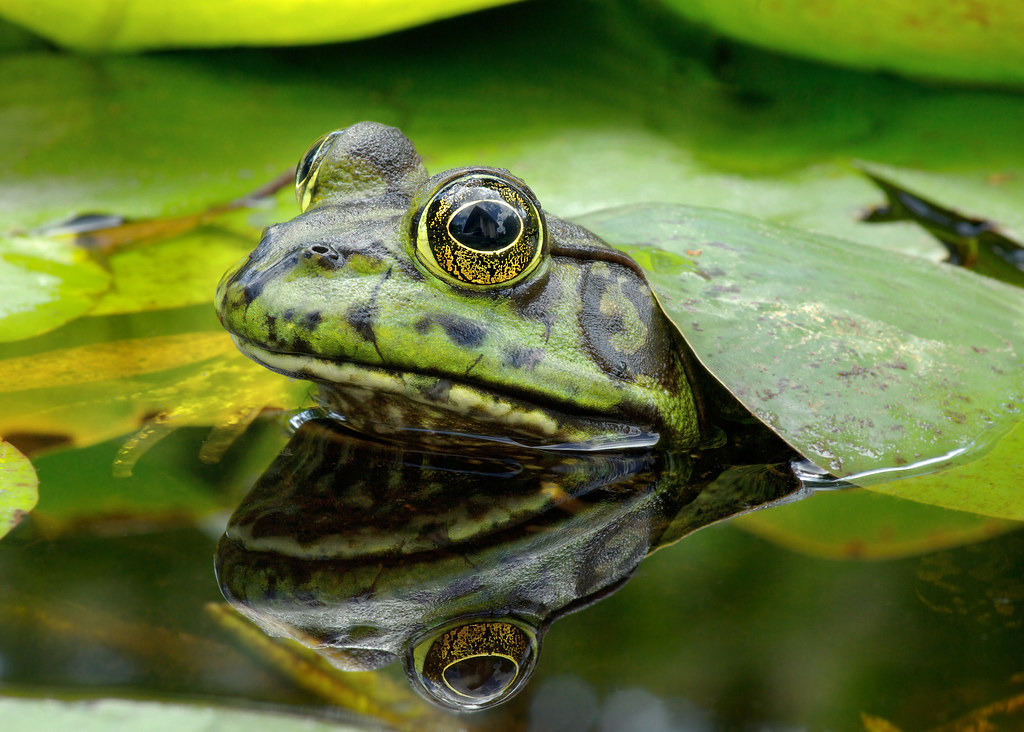
Uganda is a hotspot for frogs and toads, with species ranging from tiny, colorful forest frogs to larger marsh and lake-dwelling species. Endemic amphibians, such as the Rwenzori torrent frog and several tree frog species, inhabit high-altitude streams and forested wetlands. Amphibians are indicators of environmental health, sensitive to changes in water quality and habitat integrity, making them important for conservation monitoring.
Some frogs in Uganda exhibit extraordinary behaviors, such as breeding in water-filled tree holes, laying eggs on leaves overhanging streams, or vocalizing in unique choruses during rainy seasons. These behaviors provide captivating wildlife experiences for eco-tourists and researchers alike.
Rare and Endangered Species
Several reptiles and amphibians in Uganda are rare or threatened due to habitat loss, pollution, and climate change. Species such as the Lake Victoria softshell turtle, forest chameleons, and montane stream frogs face population pressures. Conservation initiatives include habitat protection in national parks, wetlands preservation, and community awareness programs, often integrated into eco-tourism activities. Responsible wildlife tourism helps support these efforts, ensuring the survival of Uganda’s unique herpetofauna.
Best Habitats for Observing Reptiles and Amphibians
Uganda’s diverse habitats offer excellent opportunities to encounter rare reptiles and amphibians. Riverine systems such as the Nile, Kazinga Channel, and Lake Mburo wetlands are prime locations for crocodiles, turtles, and aquatic frogs. Forested areas in Bwindi, Mgahinga, Kibale, and Rwenzori foothills provide habitats for chameleons, forest lizards, and endemic amphibians. Open savannahs, rocky hills, and montane grasslands host species adapted to drier and higher-altitude environments. Guided nature walks, night safaris, and eco-tourism excursions often increase sightings, as many species are cryptic or nocturnal.
Conservation and Ethical Observation
Observing reptiles and amphibians requires care and ethical practices. Tourists should avoid handling wild animals, maintain a respectful distance, and follow guides’ instructions. Habitat preservation, including avoiding littering, minimizing disturbance, and supporting eco-lodges, contributes directly to species survival. Photographers are encouraged to use natural light and avoid flash when capturing amphibians, which are sensitive to sudden bright light.
Combining Herpetofauna Observation with Other Wildlife Activities
Uganda’s reptile and amphibian diversity can be integrated into broader wildlife itineraries. Visitors can combine forest walks with gorilla or chimpanzee trekking, wetland boat trips for hippos and crocodiles, and birding excursions in lakes and swamps. This approach provides a holistic appreciation of Uganda’s ecosystems, highlighting the interdependence of species and habitats.
Celebrating Uganda’s Hidden Wildlife
Uganda’s reptiles and amphibians offer wildlife fans a hidden world of fascinating species, behaviors, and ecological insights. From crocodiles and turtles in rivers and wetlands to chameleons and forest frogs in montane habitats, these animals enrich eco-tourism experiences while supporting conservation awareness. By observing them responsibly, travelers contribute to the protection of Uganda’s remarkable biodiversity and gain a deeper understanding of the intricate balance within its natural environments.