Gorilla Habitats: Where to Find Uganda’s Mountain Gorillas
Uganda is one of the few countries in the world where mountain gorillas still roam in the wild, and trekking to observe these majestic primates is among the country’s most iconic wildlife experiences. Understanding the habitats of mountain gorillas helps travelers plan their visits, anticipate the conditions they will encounter, and maximize their chances of witnessing these incredible animals in their natural environment.
Bwindi Impenetrable Forest: The Heart of Gorilla Territory
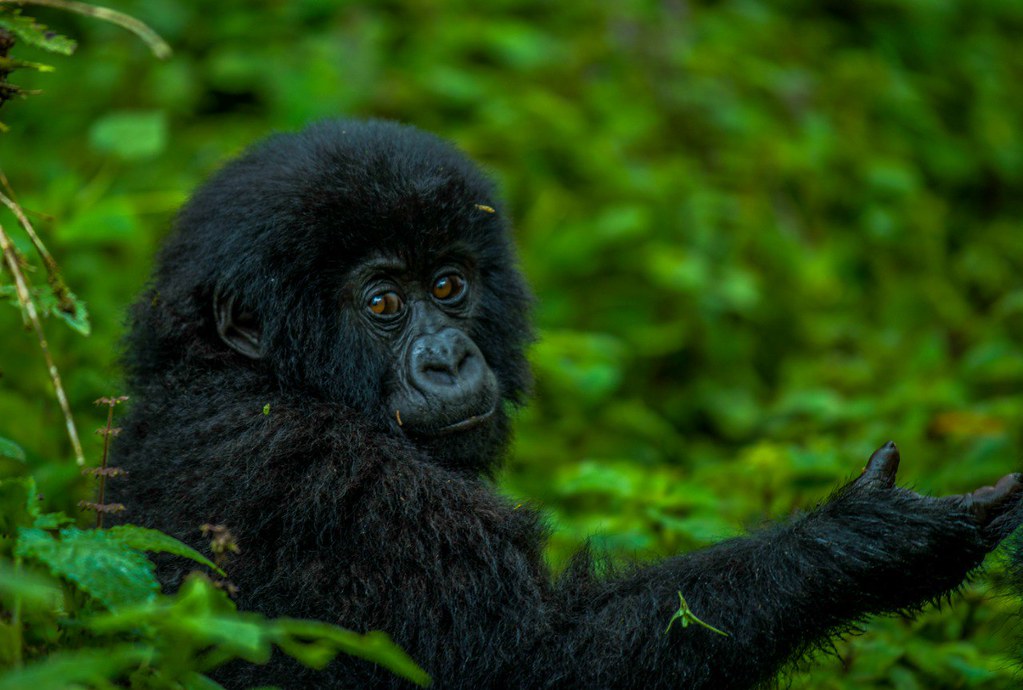
Bwindi Impenetrable Forest National Park is the most famous gorilla habitat in Uganda, covering approximately 321 square kilometers of dense, misty tropical rainforest. The park is home to over half of the world’s remaining mountain gorilla population. Bwindi’s rugged terrain, steep valleys, and thick vegetation create an ideal environment for gorillas to forage and socialize while providing natural protection from poachers and human encroachment.
Bwindi is divided into multiple sectors, including Buhoma, Rushaga, Nkuringo, and Ruhija, each hosting habituated gorilla families available for trekking. Trails vary in difficulty, with some requiring long hikes over steep and uneven terrain. Trekking in Bwindi offers not only gorilla encounters but also opportunities to see other primates such as chimpanzees, black-and-white colobus monkeys, and numerous bird species.
Mgahinga Gorilla National Park: A High-Altitude Habitat
Mgahinga Gorilla National Park, located in southwestern Uganda along the borders with Rwanda and the Democratic Republic of Congo, is smaller but equally significant for mountain gorilla conservation. The park encompasses volcanic slopes, bamboo forests, and montane habitats that provide ideal feeding and nesting areas for gorillas.
Mgahinga is home to the Nyakagezi gorilla family, which is habituated for trekking. The park’s terrain is moderately steep, and treks may involve bamboo forests and volcanic ridges. Mgahinga also offers golden monkey trekking, adding another unique primate experience to a gorilla-focused itinerary. Its proximity to Rwanda’s Volcanoes National Park allows for cross-border conservation collaboration and the protection of shared gorilla populations.
Habitats and Behavioral Patterns
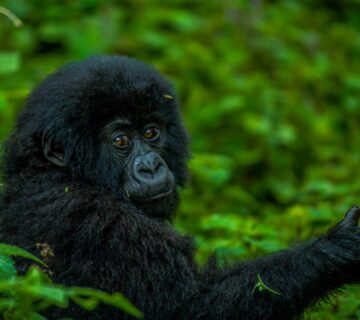
Mountain gorillas inhabit montane and submontane forests, ranging from 1,200 to 3,000 meters in altitude. These forests are characterized by dense undergrowth, bamboo thickets, ferns, and moss-covered trees. Gorillas are primarily herbivorous, feeding on leaves, stems, fruit, and bamboo shoots, and they often move within defined home ranges that include feeding and nesting sites.
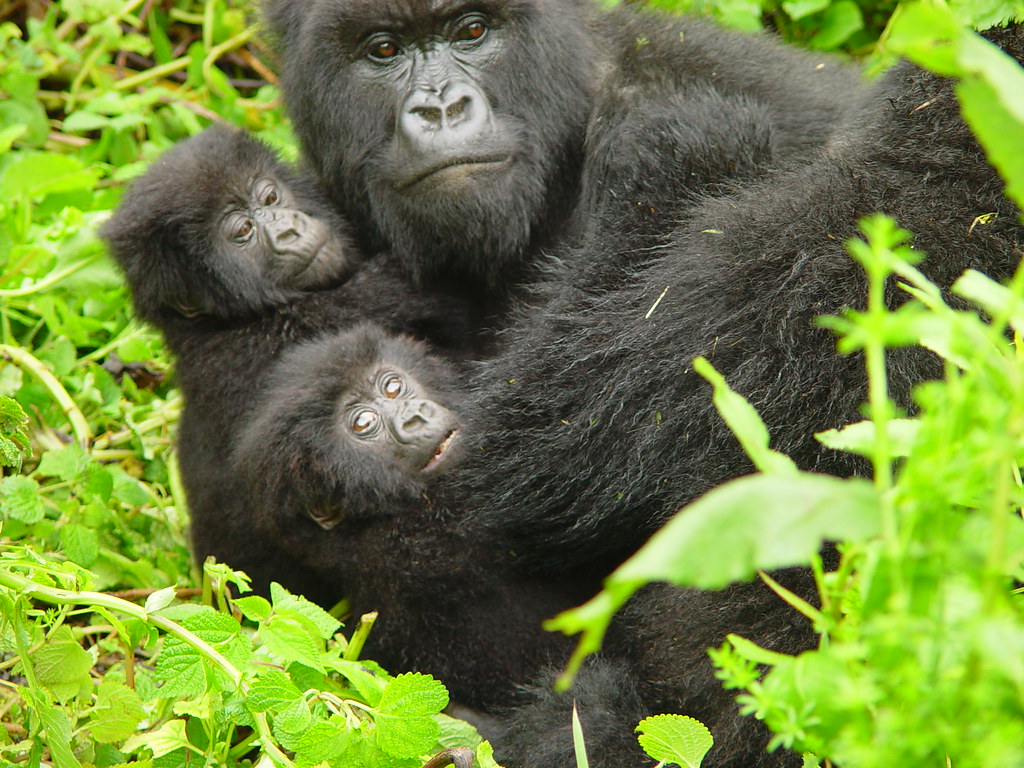
Gorilla families consist of one dominant silverback, several adult females, juveniles, and infants. Understanding their behavioral patterns, such as resting mid-morning, foraging in groups, and using habitual nesting sites, helps guides and trekkers locate them efficiently while minimizing disturbance.
Seasonal Considerations
Seasonality affects trekking conditions and gorilla accessibility. Dry seasons, from December to February and June to September, make trails less slippery and more navigable, improving trekking safety and comfort. Wet seasons, from March to May and October to November, create lush vegetation and picturesque scenery, although hikes can be more challenging. Both seasons offer excellent wildlife and photographic opportunities, but visitors should be prepared for the physical demands of forest trekking.
Conservation and Ethical Tourism
Gorilla trekking is tightly regulated to protect these endangered primates. Visitors must purchase permits issued by the Uganda Wildlife Authority, which limits the number of people per gorilla group per day to reduce stress and potential disease transmission. Guides ensure that trekkers maintain safe distances, wear masks if necessary, and follow park rules. Responsible tourism contributes directly to conservation, supporting anti-poaching patrols, research programs, and local community development initiatives.
Tips for Planning Your Gorilla Trek
Planning a gorilla trek involves selecting the appropriate park, sector, and trekking difficulty level. Booking permits well in advance is essential, especially during peak seasons. Visitors should wear sturdy, moisture-wicking clothing, hiking boots, and carry water, snacks, and rain gear. Hiring an experienced local guide ensures safe navigation through dense forest trails and enhances the likelihood of close gorilla encounters. Photography is allowed, but flash should be avoided to minimize disturbance.
Experiencing Uganda’s Mountain Gorillas
Uganda’s mountain gorillas are a symbol of the country’s rich biodiversity and conservation success. Trekking in Bwindi Impenetrable Forest or Mgahinga Gorilla National Park offers an intimate, once-in-a-lifetime wildlife experience, set against the backdrop of breathtaking forested mountains. By understanding their habitats, seasonal behaviors, and conservation needs, travelers can enjoy ethical and memorable encounters while supporting the ongoing protection of these extraordinary primates.