Uganda’s Bird Migration: Seasonal Photography Opportunities
Uganda is a birdwatcher’s paradise, boasting over 1,000 species, many of which are migratory visitors that transform the country’s landscapes with color, movement, and diversity. For wildlife photographers, these seasonal migrations offer extraordinary opportunities to capture dynamic behaviors, rare species, and dramatic flocks in flight. Understanding the timing, locations, and habitats of these migrations is essential for planning a photography-focused safari and ensuring striking, memorable images.
Peak Migration Seasons
Uganda experiences two main bird migration peaks, corresponding with seasonal changes. The first occurs from September to November, when birds return from Europe and Asia, populating wetlands, lakes, and forests with vibrant species. The second occurs from March to May, as birds depart for northern breeding grounds. These periods coincide with periods of abundant water and lush vegetation, attracting species such as waders, herons, storks, and colorful passerines. Photographers benefit from these seasons by encountering both resident and migratory species in high densities.
Prime Locations for Migratory Birds
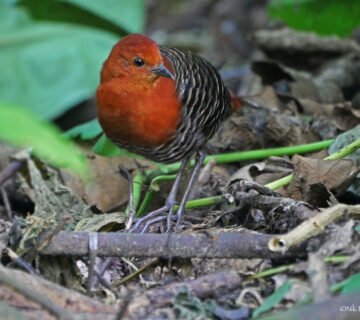
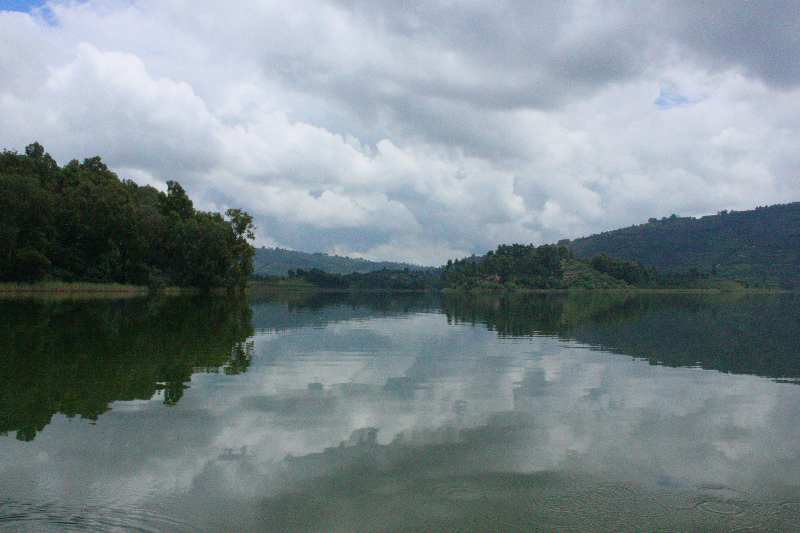
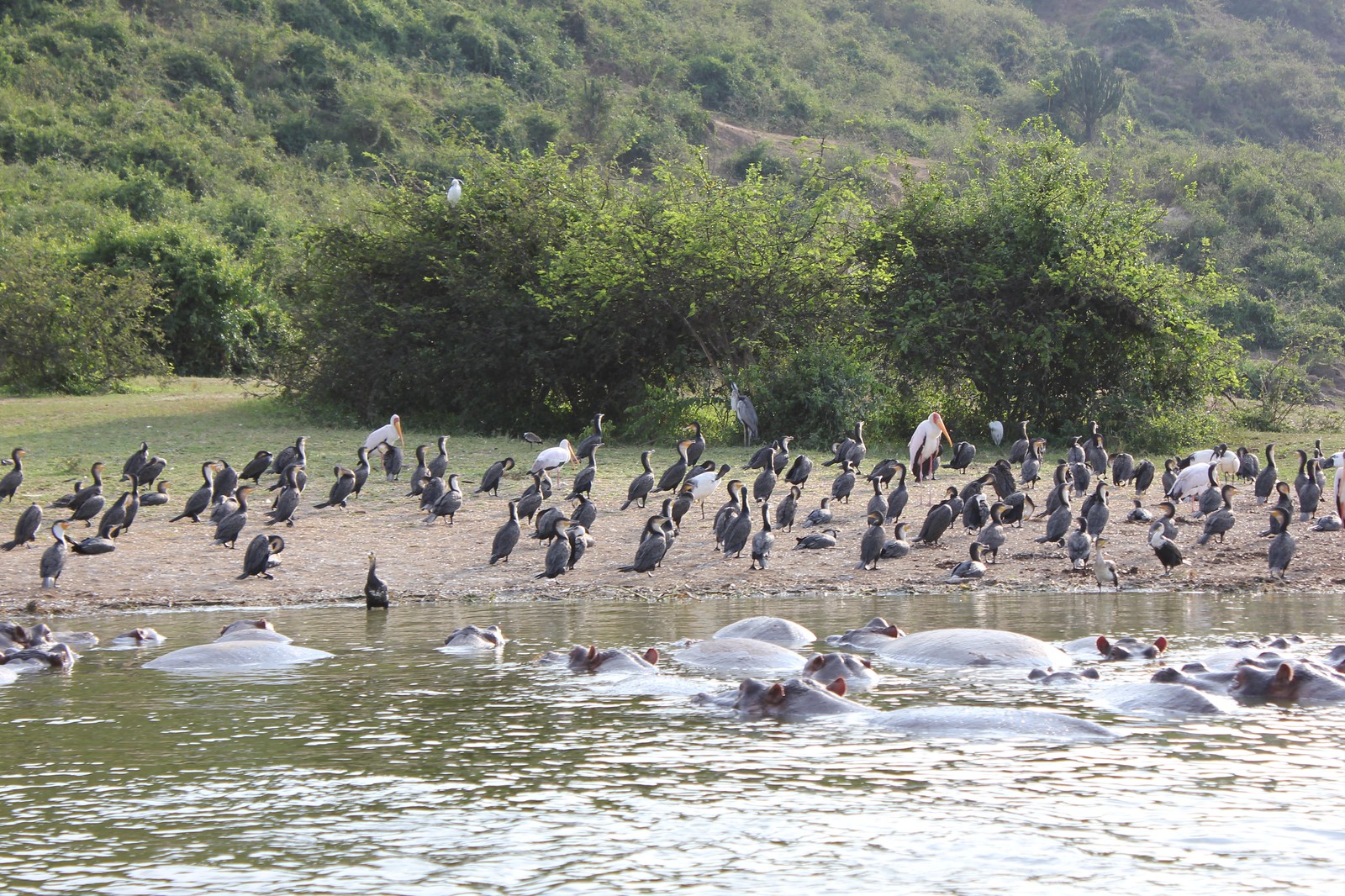
Wetlands, lakes, and riverine habitats are ideal for capturing migratory birds, providing predictable vantage points and rich ecological diversity. Mabamba Swamp near Entebbe is famous for the rare shoebill stork, while the Kazinga Channel in Queen Elizabeth National Park supports flocks of herons, egrets, and pelicans. Lake Mburo and Lake Victoria attract a mix of waterfowl and waders, often allowing close-up photography opportunities. Forested regions such as Bwindi and Kibale also host migratory passerines, creating chances to photograph colorful warblers, sunbirds, and flycatchers in dense foliage.
Techniques for Capturing Migratory Birds
Successful bird photography during migration requires planning and patience. Long lenses and telephoto zooms are essential for capturing distant or skittish subjects, while fast shutter speeds help freeze rapid flight and complex behaviors. Observing feeding, nesting, or flocking patterns can reveal moments of interaction and dramatic displays. Early morning and late afternoon light enhances color and texture, providing soft, natural illumination that accentuates plumage and movement. Guides familiar with local migration routes are invaluable in positioning photographers for optimal shots while minimizing disturbance.
Ethical Considerations in Bird Photography
Photographing migratory birds responsibly is critical, as excessive disturbance can affect feeding, roosting, and breeding behaviors. Maintaining distance, avoiding sudden movements, and minimizing noise ensures that birds remain safe and stress-free. Using hides or blinds, shooting from boats or designated observation points, and following local wildlife regulations all contribute to ethical practices. Responsible photography allows for high-quality images while preserving the integrity of migratory species and their habitats.
Combining Migration with Broader Wildlife Experiences
Bird migration photography can complement traditional safari activities, creating a well-rounded wildlife experience. While focusing on flocks and rare species, visitors can also encounter elephants, hippos, crocodiles, and predators in the same parks. This dual approach enriches the safari, providing diverse photographic subjects and a more complete understanding of Uganda’s ecosystems. Observing interactions between birds and other wildlife adds narrative depth to images, capturing dynamic ecological relationships.
Capturing Uganda’s Seasonal Avian Spectacles
Uganda’s bird migration seasons offer unmatched opportunities for wildlife photographers, combining vibrant species, scenic habitats, and abundant natural light. By understanding migration timing, selecting prime locations, employing effective techniques, and adhering to ethical practices, photographers can create compelling imagery that highlights the beauty and diversity of Uganda’s avian life. For both amateur and professional photographers, planning a migration-focused safari ensures not only stunning photographs but also a deeper connection to the rhythms of Uganda’s natural world.