Gorilla Photography in Uganda: Capturing the Magic
Uganda is one of the very few places on Earth where photographers can stand face to face with endangered mountain gorillas in their natural habitat. Deep within the mist-covered forests of Bwindi Impenetrable National Park and the volcanic slopes of Mgahinga Gorilla National Park, gorilla photography becomes more than an artistic pursuit. It is an emotional, immersive experience that blends patience, respect, and storytelling, resulting in images that carry profound meaning and global conservation value.
Why Uganda Is Exceptional for Gorilla Photography
Uganda offers some of the most intimate and ethical gorilla photography experiences in Africa. The country hosts over half of the world’s remaining mountain gorilla population, protected through carefully regulated trekking programs that limit visitor numbers and enforce strict viewing guidelines.
The dense forest environment, dramatic terrain, and soft, diffused light filtering through the canopy create atmospheric conditions that are ideal for emotive wildlife imagery. Unlike open savanna photography, gorilla photography in Uganda emphasizes expressions, behavior, family bonds, and subtle moments that tell powerful conservation stories.
Bwindi Impenetrable Forest: A Photographer’s Sanctuary
Bwindi Impenetrable National Park is the heart of gorilla photography in Uganda. Its ancient rainforest provides a richly textured backdrop of vines, moss-covered trees, and mist that adds depth and mood to every frame.
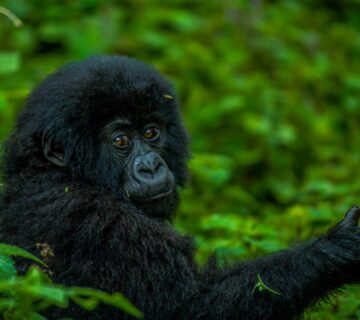
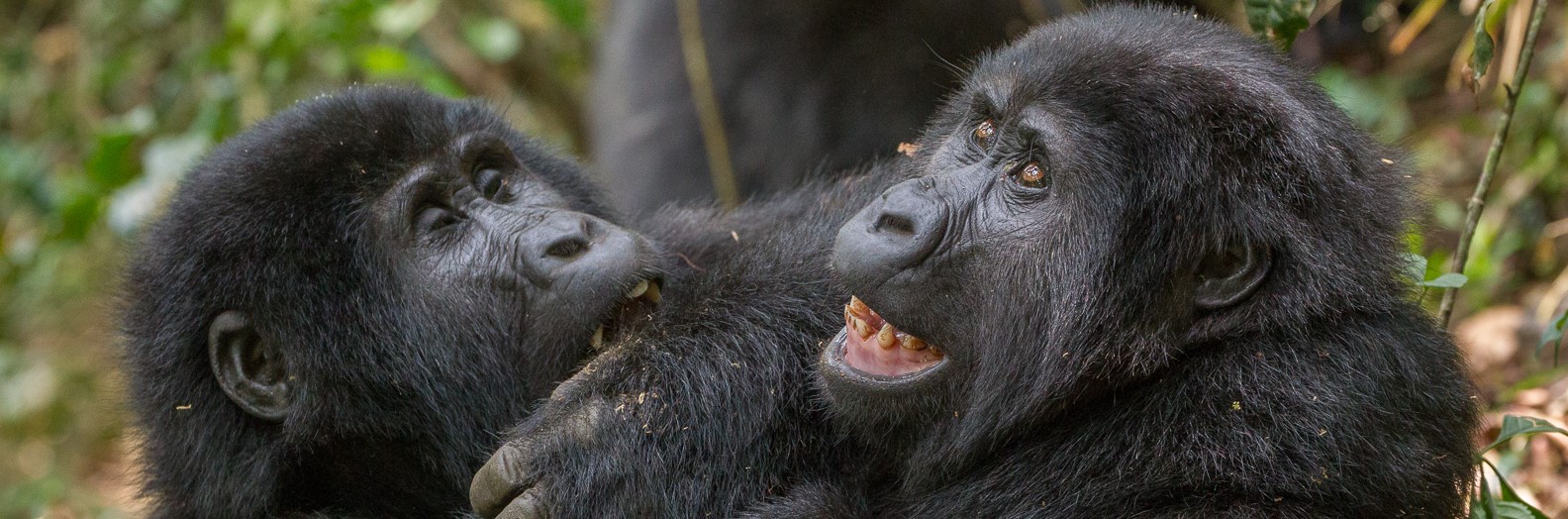
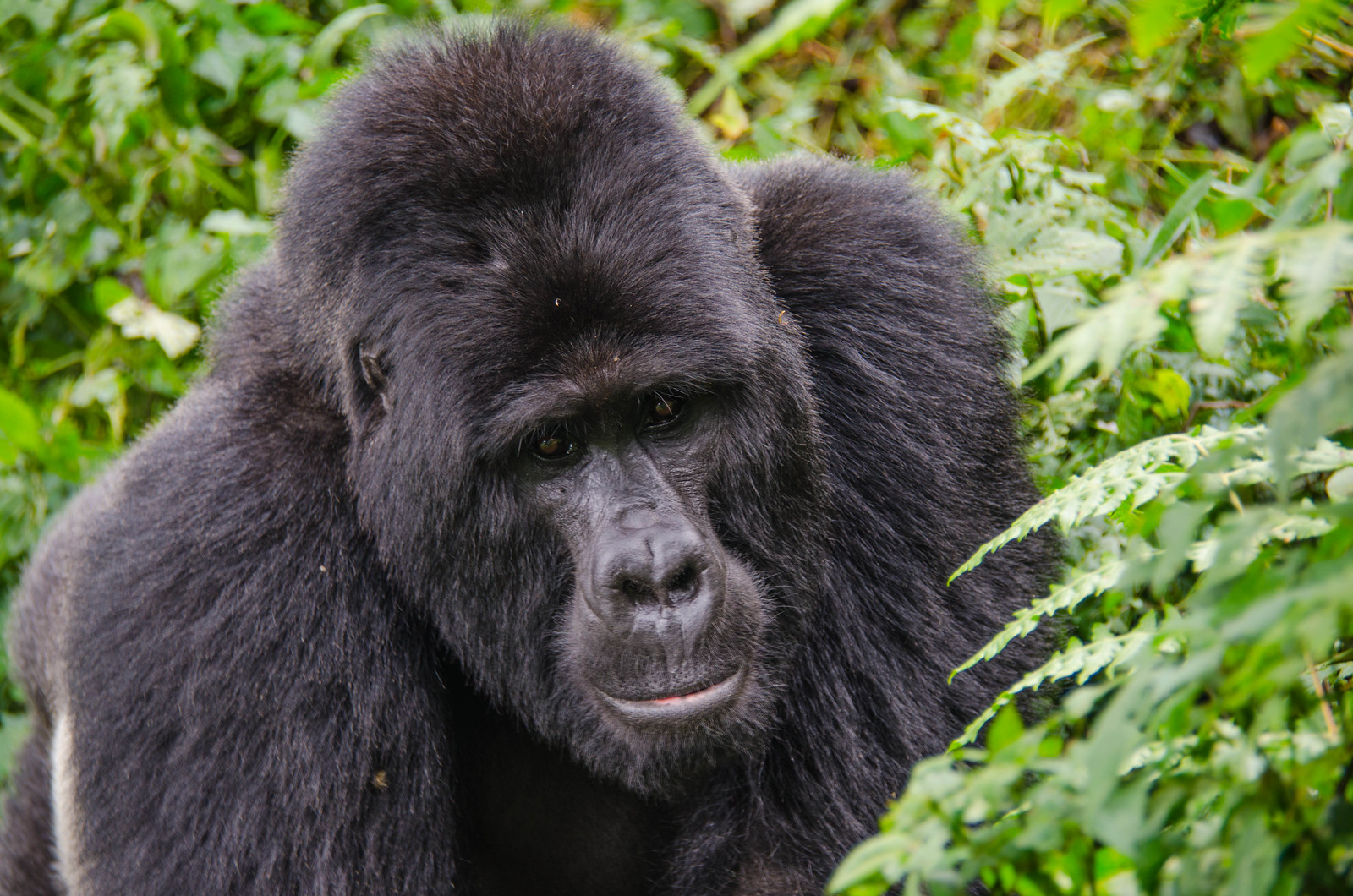
Photographers often encounter gorillas at close range, allowing detailed portraits that capture eye contact, facial expressions, and interactions between mothers and infants. While the forest can be challenging due to low light and uneven terrain, it rewards photographers with intimate, story-driven images that are impossible to replicate elsewhere.
Different sectors of Bwindi offer varied forest density and light conditions, making repeat visits valuable for photographers seeking diverse compositions and perspectives.
Mgahinga Gorilla National Park: Dramatic Landscapes and Clean Lines
Mgahinga Gorilla National Park provides a contrasting photographic environment, with open bamboo forests, volcanic slopes, and clearer sightlines. Gorilla photography here often includes wider environmental compositions, showcasing gorillas within expansive landscapes.
The Virunga Mountains add dramatic backdrops that elevate images from simple wildlife portraits to iconic conservation visuals. Mgahinga is particularly appealing to photographers who want a blend of close-up behavioral shots and broader habitat-focused imagery.
Understanding Gorilla Behavior for Better Photography
Successful gorilla photography depends on understanding behavior rather than relying solely on equipment. Gorillas are expressive animals, and their gestures, postures, and interactions offer constant photographic opportunities.
Moments such as grooming, play among juveniles, chest-beating displays, or quiet resting periods often produce the most compelling images. Reading body language helps photographers anticipate movement, maintain respectful distances, and capture authentic moments without disturbing the animals.
Patience is essential, as gorillas often remain still for long periods before suddenly changing positions or engaging in social interactions.
Light, Atmosphere, and Forest Conditions
Lighting in gorilla habitats is soft, filtered, and constantly shifting. Forest canopies reduce harsh shadows, creating natural diffusion that flatters subjects and enhances detail in fur and facial features.
Morning treks often offer cooler temperatures and subtle mist, adding atmosphere and depth to images. Rain is common and should be embraced rather than feared, as wet fur, misty backgrounds, and subdued colors can produce exceptionally dramatic photographs.
Adapting to low-light conditions is part of the experience, requiring steady handling, careful exposure choices, and a calm shooting rhythm.
Ethical Gorilla Photography Practices
Ethics are central to gorilla photography in Uganda. Strict rules protect gorillas from stress and disease, including maintaining appropriate distances, limiting time spent with each group, and prohibiting flash photography.
Photographers are encouraged to prioritize animal welfare over image acquisition. Respecting guides’ instructions, avoiding sudden movements, and minimizing noise ensures that gorillas remain relaxed and natural in their behavior.
Ethical photography not only protects the animals but also results in more genuine, emotionally resonant images.
Equipment Considerations for Gorilla Photography
Gorilla photography favors versatility over excessive gear. Mid-range zoom lenses are ideal for framing both close portraits and contextual shots, while weather-sealed equipment helps manage humid and rainy conditions.
Cameras with strong low-light performance and fast autofocus provide an advantage in dense forests. However, technique, awareness, and timing consistently outweigh technical specifications in producing impactful images.
Lightweight setups are preferred due to steep trails and long trekking hours, allowing photographers to move comfortably and react quickly to unfolding moments.
Beyond Gorillas: Supporting Conservation Through Photography
Gorilla photography in Uganda directly supports conservation efforts. Permit fees fund habitat protection, veterinary interventions, ranger patrols, and community development programs that reduce pressure on forests.
Photographs captured during treks often serve a greater purpose, raising awareness about endangered species and inspiring global audiences to support conservation initiatives. Each image becomes part of a larger narrative that extends far beyond personal portfolios.
The Emotional Impact of Photographing Gorillas
Few wildlife photography experiences match the emotional intensity of meeting gorillas in the wild. Eye contact, shared silence, and proximity create moments that resonate deeply with photographers long after the trek ends.
These encounters foster a stronger connection to conservation, transforming photographers into advocates who understand the fragility and value of these extraordinary animals.
Gorilla photography in Uganda is not simply about capturing striking images; it is about documenting one of the planet’s most remarkable conservation success stories. From the misty forests of Bwindi to the volcanic landscapes of Mgahinga, Uganda offers photographers rare access to mountain gorillas in settings that amplify emotion, authenticity, and purpose.