Nocturnal Wildlife in Uganda: Night Safari Experiences
When the sun sets over Uganda’s savannas, forests, and wetlands, an entirely different world comes alive. Night safaris reveal a hidden side of the Pearl of Africa that most daytime visitors never witness. Under cover of darkness, elusive predators hunt, shy mammals emerge, and nocturnal birds fill the air with haunting calls. For wildlife lovers seeking deeper, more intimate encounters with nature, night safari experiences in Uganda offer an unforgettable perspective on the country’s biodiversity.
Understanding Nocturnal Wildlife in Uganda
Nocturnal wildlife refers to animals that are primarily active at night, using darkness for hunting, feeding, and avoiding predators. Uganda’s varied ecosystems support a rich range of nocturnal species, from big cats and small carnivores to primates, reptiles, and night birds. Cooler nighttime temperatures and reduced human activity make these hours ideal for observing species that remain hidden during the day.
Night safaris are carefully managed and guided by experienced rangers who understand animal behavior, safety protocols, and ethical wildlife viewing practices. This ensures minimal disturbance to animals while maximizing meaningful sightings.
Lake Mburo National Park Night Safaris
Lake Mburo National Park is Uganda’s most popular destination for night safaris, offering well-regulated evening game drives that begin after sunset. The park’s open savanna, acacia woodlands, and wetlands create ideal conditions for spotting nocturnal mammals.
Visitors often encounter leopards on the hunt, spotted hyenas scavenging across the plains, bushbabies leaping through trees, and porcupines foraging near tracks. The use of filtered spotlights allows guides to scan the landscape while protecting animals from stress and disorientation. Lake Mburo’s compact size increases the chances of multiple sightings in a single night drive.
Murchison Falls National Park After-Dark Encounters
Murchison Falls National Park offers exceptional nocturnal wildlife opportunities, particularly in its northern sector. As darkness falls, predators such as lions and leopards become more active, using the cover of night to stalk prey across open grasslands.
Night drives here also reveal civets, genets, side-striped jackals, and hippos grazing far from the Nile. The sounds of roaring lions and calling hyenas echo across the plains, creating an immersive sensory experience that defines true African wilderness.
Queen Elizabeth National Park Night Wildlife
Queen Elizabeth National Park supports a diverse range of nocturnal species, especially in areas bordering savannas, forests, and wetlands. Though night drives are more limited and strictly controlled, guided nocturnal experiences around permitted zones provide opportunities to spot leopards, hyenas, and smaller carnivores.
The park’s varied habitats enhance night sightings, while the ambient sounds of insects, frogs, and night birds add depth to the experience. These night encounters complement daytime game drives and boat safaris, offering a fuller understanding of the park’s wildlife dynamics.
Nocturnal Primates and Forest Night Walks
Uganda’s forests host fascinating nocturnal primates, including bushbabies and pottos, which are best observed on guided night walks. Forest reserves and buffer zones near national parks provide controlled environments for these experiences.
Using red-filtered torches, guides locate eye-shine in the canopy and explain primate behavior, feeding patterns, and communication. Night walks also reveal chameleons, frogs, insects, and night-active birds, making them ideal for travelers interested in smaller wildlife and ecological details.
Nocturnal Birds and Night Sounds
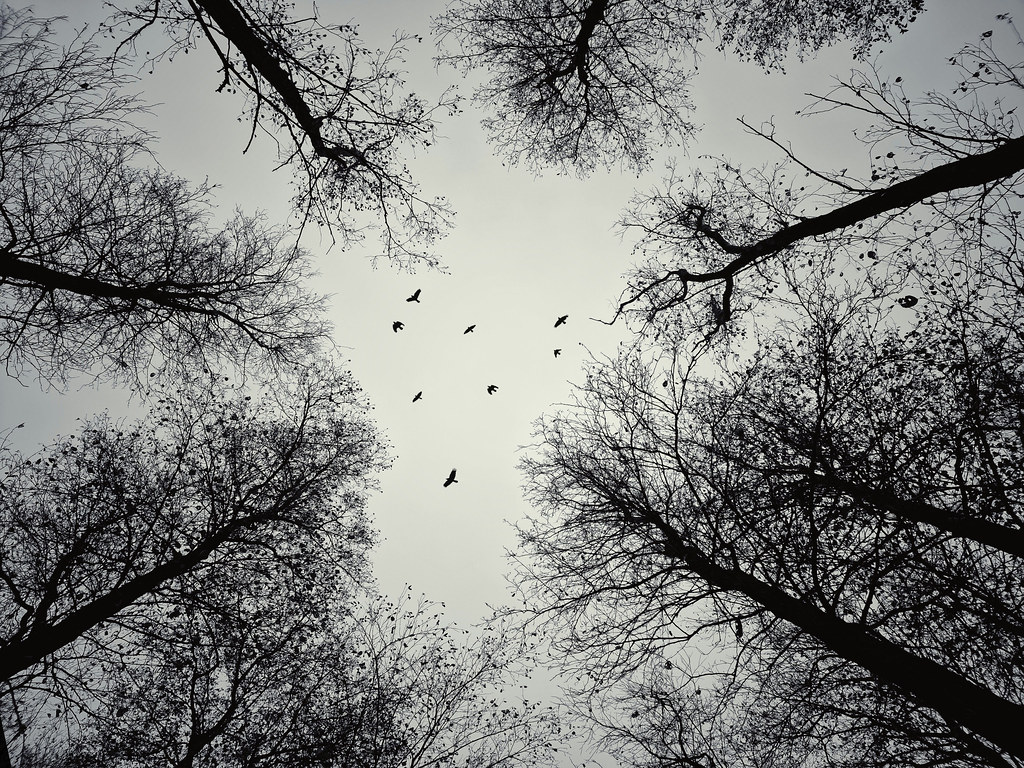
Uganda’s night skies and forests are alive with nocturnal birdlife, including owls, nightjars, and other species rarely seen during the day. Night safaris often involve listening as much as looking, with guides identifying birds by their calls.
The presence of wetlands, rivers, and forests enhances nocturnal bird diversity, and sightings are often combined with amphibians and reptiles that emerge after dusk. These experiences are especially rewarding for birders and photographers seeking unique subjects.
Safety and Ethical Night Safari Practices
Night safaris in Uganda follow strict safety and conservation guidelines. Vehicles remain on designated tracks, walking is only permitted in approved areas, and spotlight use is carefully controlled. Guides are trained to interpret animal behavior and maintain safe distances at all times.
Responsible night safaris prioritize animal welfare, ensuring that wildlife is observed without harassment or prolonged exposure to artificial light. Visitors are encouraged to remain quiet, avoid sudden movements, and respect instructions from guides.
Best Time for Night Safari Experiences
Night safaris can be enjoyed year-round in Uganda, though dry seasons generally offer better visibility and road conditions. During these periods, animals are easier to spot in open areas, and cooler temperatures enhance comfort during evening drives.
Rainy seasons, while more challenging, can still be rewarding due to increased animal activity and dramatic nighttime soundscapes. The choice of season ultimately depends on travel preferences and overall safari itineraries.
Why Night Safaris Complete the Uganda Safari Experience
Night safari experiences reveal the full rhythm of Uganda’s wildlife, showing how ecosystems transform after dark. Predation, communication, and movement patterns become more apparent, offering deeper insight into animal behavior.
For wildlife enthusiasts, photographers, and conservation-minded travelers, night safaris add a powerful dimension to traditional daytime activities, transforming a safari into a truly immersive journey.
Nocturnal wildlife experiences in Uganda open a window into a hidden world defined by stealth, sound, and shadow. From leopard sightings in Lake Mburo and Murchison Falls to bushbabies and owls in forested landscapes, night safaris offer rare and thrilling encounters with nature at its most mysterious. Exploring Uganda after dark not only enriches the safari experience but also deepens appreciation for the complexity and beauty of the country’s wildlife ecosystems.